


Rotate for symmetry
Turn the pot 90° every 2–3 weeks during active growth so the stem column develops straight and even spine distribution instead of leaning toward the light source.

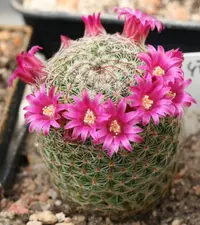
Thumb cactus (Mammillaria matudae) is a small, clustering desert cactus known for its upright, finger-like stems covered in neat rows of short white spines. Over time, the plant forms dense clumps that give it a sculptural, architectural look in pots or rock gardens.
This species is native to arid regions of Mexico, where it grows in rocky, well-drained habitats with intense sun and very limited rainfall. It is generally considered easy to grow, as long as excess moisture is avoided and light is strong. Understanding how to care for Thumb Cactus mainly involves providing bright conditions, gritty soil, and careful watering restraint.

Care Difficulty
Easy Care

Light Preference
Full Sun

Water Requirements
Low Water

Temperature Preference
Tropical / Frost Sensitive

Hardiness Zone
10–11

Soil Texture
Sandy, Loamy, Rocky

Soil pH
Acidic (5.5–6.5), Slightly acidic (6.5–7.0)

Soil Drainage
Well-drained

Fertilization
Minimal (feed rarely)
Scan your plant to receive care tips personalized for your specific plant
Available on iOS and Android
Mammillaria matudae prefers bright, direct light but benefits from some protection during the hottest hours.
Mammillaria matudae is drought-tolerant and needs infrequent but thorough watering.
This species prefers warm conditions but can tolerate short cool periods when dry.
This cactus tolerates dry indoor air and rarely needs humidity adjustment.
This species needs a very fast-draining, mineral-heavy mix that dries quickly between waterings.
This cactus is very suitable for container growing.
This cactus benefits from light feeding during its active season but is sensitive to excess nutrients.
Mammillaria matudae needs minimal pruning, mainly to maintain health and remove problem tissue.
This cactus grows slowly and prefers infrequent repotting in a stable, well-drained container environment.
This species is commonly propagated from offsets and seeds under warm, bright, and dry-leaning conditions.
This cactus is not frost hardy and needs a cool, dry, and protected environment in winter.

Plant Health Check
Not sure what's wrong with your plant? Check your plant's health inside the app.
This species naturally grows on steep volcanic slopes and rocky cliffs in southeastern Mexico, anchoring itself in crevices where there is very little soil but strong drainage and high light.
It produces tubular, bright pink to magenta flowers that often form a neat crown around the upper part of each stem, a floral pattern typical of many Mammillaria but with particularly vivid coloration in this species.
In its native range, its elongated red fruits are eaten by birds, which then disperse the seeds across rock faces and slopes, helping maintain scattered populations in difficult habitats.

This cactus often forms tall, clustered columns that can reach around 20–30 cm in height under natural conditions, making it one of the more strikingly columnar members within the typically small and globular Mammillaria genus.
Lack of flowers often comes from insufficient light, fertilizing too often, or keeping it warm all winter. This species needs strong light, a cool, dry rest period, and maturity before it produces reliable blooms.
Keep your plants happy and healthy with plant identification, disease detection, and easy care guidance.

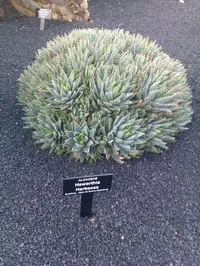
Leafy Haworthia
Haworthia herbacea
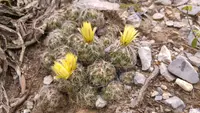
Coryphantha neglecta
Coryphantha neglecta
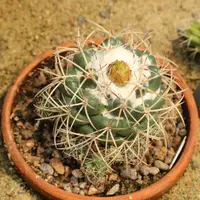
Coryphantha poselgeriana
Coryphantha poselgeriana
 POPULAR
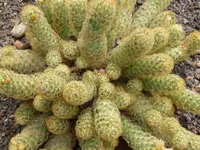
Ladyfinger Cactus
Mammillaria elongata
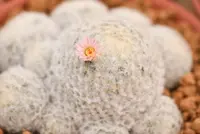
Powderpuff cactus
Mammillaria bocasana

Aylostera heliosa
Aylostera heliosa
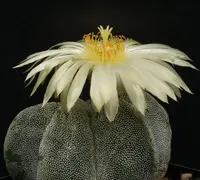
Bishop's Cap
Astrophytum myriostigma
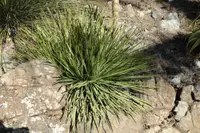
Mexican grass tree
Dasylirion longissimum