Persian Carpet Flower Care (Edithcolea grandis)

About Persian Carpet Flower

Persian carpet flower (Edithcolea grandis) is a succulent from arid regions of East Africa and the Arabian Peninsula. It grows low and sprawling, with fleshy, angular, often spiny green stems.

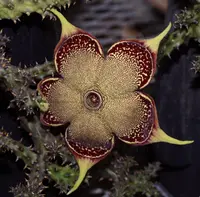
The plant is best known for its large, flat, star-shaped flowers patterned like an ornate carpet, usually yellow, brown, and maroon with a textured surface. Flowers may have a noticeable odor that helps attract pollinating flies.

This species prefers bright, indirect to full sun, warm temperatures, and very fast-draining mineral soil. It is sensitive to cold and rot, so learning how to care for Persian Carpet Flower focuses mainly on avoiding overwatering and excess humidity.

Main Plant Requirements

Care Difficulty

Hard Care

Light Preference

Full Sun

Water Requirements

Low Water

Temperature Preference

Tropical / Frost Sensitive

Hardiness Zone

11–12

Soil Texture

Sandy, Rocky, Loamy

Soil pH

Slightly acidic (6.5–7.0), Neutral (7.0)

Soil Drainage

Well-drained

Fertilization

Light (every 4–6 weeks)

Get Personalized Care Plan

Scan your plant to receive care tips personalized for your specific plant

Personalized Care in the App

Available on iOS and Android

How to Care for the Persian Carpet Flower

This succulent needs strong light that mimics its native arid habitat.

  • Provide 6–8 hours of bright sun daily, with morning sun and light afternoon shade ideal, especially in hot climates.
  • Outdoors, full sun is tolerated if introduced gradually; intense mid-afternoon sun can scorch stems, so use filtered light in very hot, dry regions.
  • In low light, Persian Carpet Flower stretches, loses its compact shape, and may stop flowering; move it to a brighter, unobstructed spot, especially in winter.

Watering must stay sparse and careful to prevent root rot.

  • Allow the top 3–5 cm of soil to dry fully before watering, then soak thoroughly and let excess drain away quickly.
  • In spring and summer, you may water every 10–21 days depending on heat and airflow; in cool or low-light seasons, reduce to very infrequent sips.
  • Soft, yellowing, or collapsing stems indicate overwatering and possible rot, while wrinkled, slightly shriveling stems on Edithcolea grandis signal it is time to water.

This species prefers consistently warm, dry air with no frost exposure.

  • Aim for 75–90°F (24–32°C) during active growth; brief peaks up to 100°F (38°C) are tolerated if light is filtered and soil is dry between waterings.
  • Keep above 55°F (13°C) at all times; below 50°F (10°C) the risk of cold damage rises, especially in damp soil.
  • In winter, provide a cooler, drier rest around 60–70°F (16–21°C), always avoiding frost and sudden temperature drops near windows or doors.

This arid succulent prefers dry indoor air and does not need added humidity.

  • Target 20–40% relative humidity, similar to a warm, dry room or desert-like conditions.
  • Persian Carpet Flower tolerates even drier air if soil moisture is controlled and roots are not kept wet.
  • Humidity stress shows as soft, waterlogged stems from excess moisture; improve air movement and let the mix dry thoroughly.

This species requires a very fast-draining, mineral-heavy substrate to prevent root and stem rot.

  • Use a gritty cactus mix based on coarse sand and pumice or perlite, with no more than 10–20% organic matter.
  • Aim for a slightly acidic to neutral pH around 6.0–7.0, which suits most commercial cactus blends.
  • For Edithcolea grandis, increase aeration by adding extra pumice, lava rock, or fine gravel to any off-the-shelf cactus mix.
  • Avoid dense, peat-heavy, or moisture-retentive potting composts that stay damp or compact around the roots.

This species is well suited to container growing due to its shallow, sensitive root system.

  • Select a wide, shallow pot so stems can sprawl over the rim without crowding the root zone.
  • Choose an unglazed clay container if extra evaporation is needed to counter a slightly heavy mix.
  • Keep the pot raised on feet or a stand so drainage holes never sit in collected runoff water.

Edithcolea grandis is a light feeder, so modest, diluted nutrition is sufficient during active growth.

  • Use a balanced liquid fertilizer (around 10-10-10) at 1/4–1/2 strength for Persian Carpet Flower in spring and summer.
  • Feed every 4–6 weeks when growth is active, skipping any application if the potting mix stays very dry.
  • Avoid compost or rich organic fertilizers that hold moisture and may cause root rot in this succulent.
  • Stop feeding in fall and winter, when the plant is semi-dormant, to prevent weak, etiolated growth.

Edithcolea grandis needs minimal pruning, mainly to maintain plant health and a tidy form.

  • Best time for any pruning is late spring to early summer, when growth is active and healing is faster.
  • Remove dead, shriveled, or rotted stems at the base using a sterile, sharp knife or pruning scissors.
  • Thin out crowded, crossing stems to improve airflow and reduce the risk of fungal problems in humid conditions.
  • Limit cuts to small sections, as heavy pruning can stress the plant and reduce flowering potential.

This succulent prefers stable conditions and infrequent disturbance, so repot only when clearly necessary.

  • Check for roots circling the pot, protruding from drainage holes, or noticeably slowed growth as signs it needs more space.
  • Plan repotting every 3–4 years in late spring, when Edithcolea grandis resumes active growth.
  • Use a shallow pot with excellent drainage and a gritty, cactus-style mix; gently loosen roots without breaking thick ones.
  • After repotting, keep the mix slightly dry for 5–7 days, then resume light watering to reduce transplant shock and rot risk.

Edithcolea grandis is usually propagated from stem cuttings under warm, dry, and bright conditions.

  • Take firm, healthy stem segments in late spring or early summer, using a sterile, sharp blade.
  • Allow cut surfaces to dry and callus for 5–7 days in a shaded, airy place before planting.
  • Set callused pieces upright in a gritty, barely moist cactus mix, keeping temperatures around 70–80°F and light bright but indirect.
  • Water very sparingly until new growth appears, then transition gradually to the normal watering schedule.

This species is highly frost-sensitive and needs warm, dry winter conditions to survive.

  • Keep plants above 55°F, ideally 60–70°F, as brief exposure near freezing can damage or kill stems.
  • Move container plants indoors before night temperatures drop below 55°F, placing them in bright, indirect light.
  • Reduce watering sharply in winter, letting the mix dry almost completely between light sips to prevent rot.
  • Avoid cold drafts and damp, poorly lit spots, which increase susceptibility to fungal issues.

Care Tips

Shallow pot choice

Use a wide, shallow clay pot with large drainage holes so the creeping stems can spread and the thin roots dry quickly between waterings, which reduces stem rot risk.

Stone mulch layer

Add a 1–2 cm layer of coarse gravel or pumice on the soil surface to keep stems off damp mix, protect the crown from splashing water, and improve air flow around the base.

Support for heavy flowers

Place low, inert supports such as flat stones or a narrow mesh frame under long, trailing stems so that heavy, open blooms do not twist or snap the soft growth.

Winter resting period

In cooler, low-light months keep the plant slightly cooler and almost dry, allowing only minimal sips of water to prevent shriveling, which helps it form stronger new growth in the next warm season.

Preventing mealybug pockets

Inspect regularly where stems branch and around the warty ridges, and use a cotton swab with 70% isopropyl alcohol to remove any early mealybug colonies before they reach sheltered crevices, which is essential when growing Persian Carpet Flower indoors.

Common Pests and Diseases

Mealybugs

This pest prefers the sheltered grooves and rib angles of the stems, where it feeds on sap and weakens the plant. Symptoms include cottony white clusters, sticky honeydew, and gradual shrinking or yellowing of stem tissue.

Solution

Isolate the plant, then remove visible insects with a cotton swab dipped in 70% isopropyl alcohol, focusing on rib junctions and crevices. Improve light and airflow, repeat spot treatment weekly until no new clusters appear, and use a light horticultural oil spray on stems (not on very hot days) if the infestation is persistent.

Root and stem soft rot

This disease develops quickly in overly wet, cool conditions and causes the fleshy roots and lower stems to become mushy and brown, often with a foul smell. Symptoms include sudden stem collapse starting at the base and rapid spreading of watery lesions.

Solution

Remove the plant from its pot, cut away all affected soft tissue with a sterile blade, and dust healthy cut surfaces with a dry sulfur or copper-based fungicidal powder. Repot only firm, healthy segments in a fresh, very fast-draining mineral mix, water sparingly, and maintain higher temperatures and strong light to prevent recurrence.

Red spider mites

These insects thrive in hot, dry indoor air and can colonize the ribbed stems, causing dull, rough patches and fine webbing along the angles. Symptoms include tiny speckling, a dusty appearance, and reduced vigor, especially in low-humidity rooms.

Solution

Shower the plant gently with lukewarm water to wash off mites and webs, keeping the soil mostly dry by shielding the pot. After washing, apply a miticidal soap or neem-based spray to stems every 5–7 days for several cycles, and slightly raise humidity while maintaining strong air movement to reduce reinfestation.

Interesting Facts

Carrion-scented pollination

The huge star-shaped flowers emit a strong odor similar to rotting meat, which attracts carrion flies that act as the main pollinators.

Highly localized native range

This species occurs naturally in arid regions of the Horn of Africa and adjacent areas of East Africa and the Arabian Peninsula, often on rocky, very well-drained soils.

Distinctive patterned corolla

The flowers show complex blotched and banded patterns in yellow, brown, and maroon, which help visually mimic decaying flesh to reinforce the olfactory signal to scavenging flies.

Botan icon

Did you know?

Edithcolea grandis is considered the only accepted species in its genus, making it a monotypic genus within the stapeliad group of succulent plants.

FAQs about Persian Carpet Flower

This species usually needs to be mature, slightly cramped in its pot, and experiencing a warm, bright season before flowering. Cool conditions, recent repotting, or nutrient-rich, constantly moist substrate often delay blooms or stop them entirely.

Grow Healthy Plants with Botan Care

Keep your plants happy and healthy with plant identification, disease detection, and easy care guidance.

Botan plant care app — identify plants on mobile

Explore More Plants