Karkai Care (Crassula tetragona)

Also known as: Karkai

About Karkai

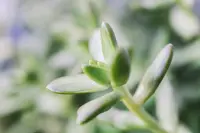
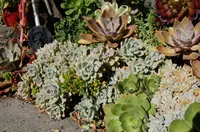
Crassula tetragona, often called miniature pine tree, is a small succulent shrub from arid regions of South Africa. It stores water in its fleshy stems and narrow, needle-like leaves. The plant has an upright, branching habit and can become slightly woody at the base, giving it a bonsai-like look in containers. Small white star-shaped flowers may appear in good conditions. This species is generally considered easy to grow, as it tolerates dry indoor air and occasional missed waterings. It prefers bright light, fast-draining soil, and careful watering, which makes it simple to learn how to care for Karkai.

Main Plant Requirements

Care Difficulty

Easy Care

Light Preference

Full Sun

Water Requirements

Low Water

Temperature Preference

Tropical / Frost Sensitive

Hardiness Zone

10–11

Soil Texture

Sandy, Loamy, Rocky

Soil pH

Slightly acidic (6.5–7.0), Neutral (7.0)

Soil Drainage

Well-drained

Fertilization

Minimal (feed rarely)

Get Personalized Care Plan

Scan your plant to receive care tips personalized for your specific plant

Personalized Care in the App

Available on iOS and Android

How to Care for the Karkai

Crassula tetragona needs bright light to stay compact and avoid weak, stretched growth.

  • Provide 4–6 hours of direct morning sun plus bright, indirect light for the rest of the day; east or southeast exposure suits Karkai well.
  • In hot, dry climates, shield from harsh afternoon sun with light shade or filtered light to prevent leaf scorch and pale patches.
  • In low light, stems elongate and lean; move the plant gradually to a brighter spot, especially from late fall to early spring.

Crassula tetragona prefers deep, infrequent watering that lets the soil dry between soakings.

  • Water only when the top 2–5 cm of soil are completely dry; then water thoroughly until excess drains away, avoiding standing water.
  • In spring and summer, expect more frequent watering during active growth; in fall and winter, reduce frequency as growth slows and soil dries more slowly.
  • Watch for overwatering signs such as soft, yellowing, or translucent leaves and a musty smell; wrinkled, deflated leaves indicate underwatering.

This succulent thrives in warm conditions and dislikes prolonged cold or frost.

  • Aim for 65–80°F (18–27°C) during active growth for best root and shoot development.
  • Short drops to about 30–32°F (-1–0°C) may be survived if soil is dry, but repeated frost damages stems and can kill the plant.
  • In hot weather above 90°F (32°C), provide light shade and airflow; in cooler seasons, protect from cold drafts and sudden temperature swings.

Crassula tetragona handles typical indoor humidity well and rarely needs special adjustment.

  • Target 30–50% humidity; avoid persistently damp, stagnant air that keeps foliage wet.
  • Dry household air is usually tolerated, but extreme dryness plus high heat can cause leaf shriveling and tip browning.
  • If air is very dry, raise humidity slightly by grouping succulents together rather than misting Karkai.

Crassula tetragona prefers a very fast-draining, mineral-based substrate that dries quickly between waterings.

  • Use a gritty mix such as 50–70% inorganic material (pumice, perlite, coarse sand, or fine gravel) with 30–50% cactus potting mix or lean compost.
  • Aim for slightly acidic to neutral pH, roughly 6.0–7.0, which most commercial cactus mixes already provide.
  • Improve aeration by avoiding peat-heavy blends that compact; add extra pumice or coarse perlite to keep pore spaces open around roots.
  • Avoid dense, water-retentive garden soil or all-purpose mix alone, which increases the risk of root rot and weak growth in Crassula tetragona.

This species is very suitable for container growing, both indoors and outdoors in mild climates.

  • Choose a stable, relatively heavy pot so the tall, branching stems do not tip the container in wind or when bumped.
  • Select a container slightly deeper than the root ball so the narrow root system can anchor the top-heavy shoots securely.
  • Unglazed terracotta is helpful because it breathes and speeds evaporation, reducing the chance of prolonged wet conditions after watering.

Crassula tetragona is a light feeder that benefits from modest nutrition during the active growing season.

  • Use a balanced liquid fertilizer (for example 10-10-10) diluted to 25–50% strength for container plants.
  • Feed every 4–6 weeks in spring and summer when growth is active and light is strong.
  • Skip fertilizing in winter or very low light to avoid weak, stretched growth when caring for Karkai.
  • For outdoor plants in the ground, a thin layer of compost in spring is usually sufficient.

Crassula tetragona responds well to light, thoughtful pruning that maintains compact, upright growth.

  • Best time is late winter to early spring, just before strong new growth begins.
  • Use clean, sharp scissors or pruning snips to remove dead, damaged, or crossing stems.
  • Shorten overly tall or leggy shoots above a node to encourage branching and a fuller shape.
  • Pinch soft tips during the growing season to control height and reduce the risk of stems becoming top-heavy.

This species copes well with slightly tight quarters, so repotting is infrequent but still helpful over time.

  • Repot every 2–3 years in spring when roots circle the pot, emerge from drainage holes, or growth slows without other cause.
  • Choose a pot only 2–3 cm wider with excellent drainage and a gritty cactus-succulent mix.
  • Water lightly 1–2 days before repotting, then handle the root ball gently to limit tearing.
  • After repotting Crassula tetragona, keep in bright, indirect light and water sparingly for 1–2 weeks to reduce transplant stress.

Crassula tetragona is commonly propagated from stem cuttings, which root reliably in warm, dry-leaning conditions.

  • Take 5–10 cm non-flowering stem cuttings in late spring or summer from firm, healthy shoots.
  • Remove lower leaves and allow cut ends to callus for 1–3 days in a dry, shaded place.
  • Insert callused cuttings into a gritty, barely moist cactus-succulent mix, keeping good air circulation.
  • Provide bright, indirect light, warmth around 70–80°F, and minimal watering until roots develop and new growth appears.

This succulent is frost sensitive and needs protection in regions with freezing winters, especially in containers.

  • Keep temperatures above 35–40°F; prolonged frost can scar or kill stems and roots.
  • Move potted plants indoors to a bright, cool room or sheltered greenhouse before the first hard frost.
  • Reduce watering significantly in winter, allowing the soil to dry well to prevent root rot in cold conditions.
  • In mild climates, use a gritty, fast-draining soil and a light gravel mulch to keep the crown dry during wet, cool periods.

Care Tips

Stabilize Tall Stems

As stems elongate and become top-heavy, anchor the plant by using a wider, heavier pot or a layer of coarse gravel on top of the soil to prevent tipping and stem breakage.


Rotate For Even Form

Rotate the pot 90° every 1–2 weeks so all sides receive similar light, which reduces lopsided growth and encourages a more compact, symmetrical shrub shape.

Cool, Bright Wintering

In winter, keep the plant in the brightest available spot with cooler but frost-free conditions and very minimal water to maintain compact internodes and reduce weak, stretched growth.

Targeted Mealybug Checks

Inspect the bases of leaves and inner stem junctions monthly for mealybugs, and if found, isolate the plant and spot-treat with a cotton swab dipped in isopropyl alcohol before populations build up.

Use Cuttings Strategically

When pruning leggy stems, replant the healthiest tip cuttings in the same pot to create a fuller, multi-stemmed specimen and make growing Karkai more space-efficient.

Common Pests and Diseases

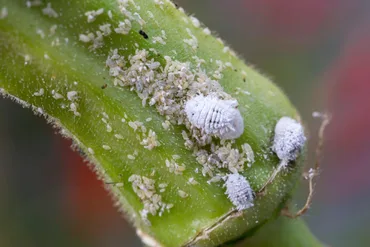
Mealybugs

This pest appears as white, cottony clumps in stem joints and along young shoots, often causing stunted growth and sticky honeydew. Symptoms include leaf yellowing and distorted new growth if populations are high.

Solution

Isolate the plant, then dab visible insects with cotton swabs dipped in 70% isopropyl alcohol and gently wipe affected areas. Follow up with a thorough rinse under lukewarm water, then repeat alcohol spot-treatments weekly until no new mealybugs appear, and reduce excess nitrogen fertilization that can encourage soft, susceptible growth.

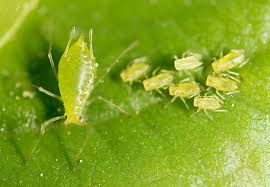
Aphids

These insects cluster on tender shoot tips and flower stalks, sucking sap and causing curling or misshapen new leaves. Honeydew may attract sooty mold on stems and foliage.

Solution

Rinse the plant under a firm but gentle stream of water to dislodge colonies, then apply an insecticidal soap spray to all stem surfaces, including undersides. Repeat every 5–7 days for 2–3 cycles, and avoid overfertilizing so the plant does not produce overly lush, attractive soft growth.

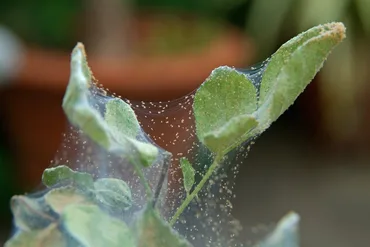
Spider mites

This pest is favored by dry, warm indoor air and causes tiny pale speckles on leaves, fine webbing between stems, and overall dull, tired-looking foliage. Symptoms include leaf drop when infestations are advanced.

Solution

Shower the plant thoroughly, focusing on inner stems where mites hide, and prune heavily infested tips. After rinsing, use an insecticidal soap or horticultural oil labeled for mites, applied to all surfaces every 5–7 days for several cycles, and slightly raise humidity and improve air movement to make conditions less favorable for mite buildup.

Edema

Symptoms include small corky, raised, tan or brown patches on leaves and stems caused by the plant taking up more water than it can transpire, especially under cool, very wet conditions. This physiological disorder does not spread between plants but can permanently mark affected tissue.

Solution

Allow the potting mix to dry more thoroughly between waterings, especially in cool or low-light periods, and ensure the container has fast drainage suitable for Crassula tetragona care. Provide strong light, avoid sudden swings from very dry to very wet soil, and remove only the most unsightly damaged stems if desired.

Bacterial soft rot

This disease causes sudden, mushy, water-soaked stems that collapse and may have a foul odor, often starting at a wound or area that stayed wet. Symptoms include rapid tissue breakdown and blackened, shrinking segments along the stem.

Solution

Remove the plant from its pot, cut away all affected soft areas back to firm, healthy tissue with a sterile blade, and discard severely rotted sections. Allow salvaged cuttings or stems to dry for 1–3 days to callus, then replant in fresh, sharply draining succulent mix in a clean pot, and avoid watering onto the stems or keeping the plant in overly humid, stagnant conditions.

Interesting Facts

Miniature tree mimic

This species naturally develops a woody, branching framework with opposite, needle-like succulent leaves, giving mature plants a form that closely mimics a small conifer tree, despite being unrelated to conifers.

Coastal cliff specialist

In its native range in South Africa and Mozambique, this plant often grows on rocky slopes and coastal cliffs, anchoring in shallow, gritty pockets of soil where many other species cannot persist.

Drought survival strategy

The cylindrical leaves have a low surface-area-to-volume ratio and store water in specialized tissues, which slows water loss and allows the plant to survive extended dry periods with minimal rainfall.

Botan icon

Did you know?

Some wild populations of this species form low, shrubby stands that help stabilize loose, rocky substrates, where their branching roots and woody bases reduce small-scale erosion along exposed slopes and coastal habitats.

FAQs about Karkai

Brown leaf tips or patches usually come from underwatering, intense direct sun, or fertilizer buildup. Check soil moisture, flush excess salts with plain water, and trim only completely dead tissue to prevent further stress.

Grow Healthy Plants with Botan Care

Keep your plants happy and healthy with plant identification, disease detection, and easy care guidance.

Botan plant care app — identify plants on mobile

Explore More Plants