Ruens Haworthia Care (Haworthia retusa)

About Ruens Haworthia

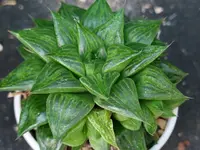
Haworthia retusa is a compact succulent from South Africa, valued for its rosettes of triangular, translucent-tipped leaves. It stays small, which makes it suitable for windowsills and desks.

The leaves store water, so the plant tolerates short dry periods and does not need frequent watering. Its slow, clumping growth habit keeps it neat and manageable in containers.

It prefers bright, indirect light, a gritty, fast-draining soil mix, and careful watering that avoids constant moisture. These traits make it relatively simple to care for Haworthia retusa, especially for beginners in succulent growing.

Main Plant Requirements

Care Difficulty

Easy Care

Light Preference

Bright Indirect Light

Water Requirements

Low Water

Temperature Preference

Tropical / Frost Sensitive

Hardiness Zone

10–11

Soil Texture

Sandy, Loamy, Rocky

Soil pH

Acidic (5.5–6.5), Slightly acidic (6.5–7.0)

Soil Drainage

Well-drained

Fertilization

Minimal (feed rarely)

Get Personalized Care Plan

Scan your plant to receive care tips personalized for your specific plant

Personalized Care in the App

Available on iOS and Android

How to Care for the Ruens Haworthia

This compact succulent prefers bright, indirect light and some gentle direct sun each day.

  • Provide 4–6 hours of bright, indirect light daily, with soft morning sun and protection from harsh midday and late-afternoon rays.
  • Outdoors, place in light shade or dappled sun; indoors, set near an east or bright north window to support healthy color and compact rosettes in Haworthia retusa.
  • Watch leaves for feedback: bleached, reddish, or papery tips indicate too much sun, while stretched, pale growth signals insufficient light, especially in winter.

Watering should be infrequent and guided by soil dryness rather than a fixed schedule.

  • Allow the top 3–5 cm of soil to dry fully before watering, then water thoroughly so excess drains away and the root zone is moistened once, not repeatedly.
  • Reduce watering in winter to brief, infrequent soakings when leaves start to soften slightly, as cool, low-light conditions slow uptake in Haworthia retusa.
  • Suspect overwatering if leaves turn translucent, mushy, or detach easily, and underwatering if they wrinkle deeply; in both cases, adjust frequency and confirm the soil mix drains very quickly.

Stable, moderate warmth supports steady growth and reduces stress for this succulent.

  • Aim for 65–80°F (18–27°C) for active growth, avoiding frequent swings of more than 10°F (6°C) in a short period.
  • Short exposures down to about 40°F (4°C) may be tolerated if dry, but growth slows below 55°F (13°C) and the plant should be protected from frost.
  • In hot periods above 90°F (32°C), give extra shade and airflow, as strong sun plus high heat can scorch the leaf tips and cause rapid moisture loss.

This species handles typical indoor humidity and rarely needs adjustment when air stays within 30–50%.

  • Tolerates dry air down to about 25% without damage if watering is moderate and soil drains very fast.
  • Watch for soft, translucent leaves or sudden rot at the base, which usually indicates excess humidity combined with poor airflow.
  • If air is extremely dry and hot, group pots slightly apart on a gritty tray and avoid misting foliage to limit rot risk.

Use a very fast-draining, mineral-based mix to keep roots dry and well aerated.

  • Select a gritty, sandy substrate with 60–80% inert materials such as pumice, perlite, coarse sand, or small lava rock, plus a small amount of lean cactus compost.
  • Aim for slightly acidic to neutral pH around 6.0–7.0, which supports nutrient uptake without encouraging harmful salt buildup.
  • Improve aeration by using large, irregular particles (3–6 mm) so water drains in seconds and air pockets remain around the roots.
  • Avoid peat-heavy, compact, or moisture-retentive mixes that stay wet longer than 2–3 days, as Haworthia retusa is prone to root rot in saturated conditions.

This species is well suited to container growing when the pot is shallow and drains rapidly.

  • Choose a pot only 1–2 cm wider than the rosette so the small root system does not sit in unused, damp substrate.
  • Use unglazed terracotta if extra evaporation is needed, since the porous walls help offset occasional overwatering.
  • Place the pot on a slight incline or use pot feet so water can exit drainage holes completely and not pool under the container.

This compact succulent has low nutrient needs, so light feeding supports healthy, firm leaf growth without forcing soft, weak tissue.

  • Use a balanced liquid fertilizer (for example 10-10-10 or 20-20-20) diluted to 25–50% strength for Haworthia retusa.
  • Feed once every 4–6 weeks during spring–summer when growth is most active.
  • Avoid organic compost mixes that stay wet; use cactus or succulent fertilizer on a very free-draining medium instead.
  • Stop feeding in fall–winter, when growth slows, to reduce rot risk and mineral buildup.

Pruning needs are minimal and mainly focused on cleanliness and preventing rot in this slow-growing rosette succulent.

  • Best timing is during active growth in spring–summer, when recovery is fastest for Haworthia retusa.
  • Remove dead, shriveled, or diseased leaves by gently pulling or cutting at the base with clean, sharp scissors.
  • Trim spent flower stalks at the soil line once they dry to keep the plant compact and reduce energy loss.
  • Discard any soft, rotten tissue promptly and improve airflow to limit fungal problems.

This species prefers to stay slightly root bound and only needs infrequent repotting into a very free-draining mix.

  • Repot every 3–4 years, or when roots circle the pot, emerge from drainage holes, or growth noticeably slows.
  • Best timing is late spring, allowing Haworthia retusa to re-establish in warm, bright conditions without intense summer heat.
  • Use a shallow pot with large drainage holes and a gritty cactus mix; avoid containers that are much larger than the root ball.
  • Gently loosen roots, remove old compacted soil, let any broken roots callus for 1 day, then water lightly after 3–5 days to reduce stress.

This plant is most commonly propagated from offsets, which form naturally around the base of mature rosettes.

  • Separate offsets in spring–early summer, when Haworthia retusa is actively growing and roots form faster.
  • Unpot the clump, gently tease away pups with their own roots, and let any cut surfaces dry for 1–2 days.
  • Plant each offset in a small pot with dry, gritty succulent mix, then wait 3–5 days before the first light watering.
  • Seed propagation is possible under warm (70–75°F), bright, indirect light but is slower and less predictable for home growers.

This succulent is not frost hardy and needs sheltered, dry conditions through winter in most temperate climates.

  • Move container plants indoors before temperatures drop below 40°F, providing bright, indirect light.
  • Keep Haworthia retusa in a cool room around 50–60°F to support a mild rest period without chilling damage.
  • Water sparingly, just enough to prevent complete soil dryness for extended periods, and never on cold, cloudy days.
  • Ensure excellent air circulation and completely free-draining soil to limit winter root and crown rot.

Care Tips

Seasonal rest period

Reduce disturbance and avoid repotting during winter dormancy; let the plant stay slightly root-bound and handle it only for essential checks until active growth resumes in spring.

Pot weight check

Lift the pot periodically and learn its dry weight so you can use the change in weight, rather than soil surface appearance, to judge when this deep-rooted succulent actually needs water.

Targeted offset removal

When removing offsets, use a sterile, thin-bladed knife to cut close to the base, then let the cut surfaces dry for 2–3 days before replanting to reduce rot risk and improve propagation success when growing Haworthia retusa.

Light acclimation steps

If moving the plant to a brighter spot, increase light exposure gradually over 1–2 weeks to avoid sudden leaf translucency damage or sun scald on the fleshy leaf tips.

Preventing crown rot

When watering from above, hold the pot at a slight angle so water runs down the pot wall instead of collecting in the central rosette, which helps prevent crown rot in compact plants.

Common Pests and Diseases

Aloe mite

This pest causes distorted, swollen, or blistered growth, often at the center of the rosette, with rough or warty tissue that looks abnormal compared with older leaves.

Solution

Remove and discard all affected growth well back into healthy tissue, then isolate the plant; in early cases, clean cuts with sterile tools and keep the plant in dry, bright, airy conditions, and for persistent infestations use a targeted miticide labeled for eriophyid mites, following the product directions carefully.

Mealybugs

These insects appear as small white cottony clusters tucked between the fleshy leaves and at the base of the rosette, sometimes causing yellowing or stunted new growth.

Solution

Dislodge visible insects with a cotton swab dipped in 70% isopropyl alcohol, then rinse the plant gently and allow it to dry; repeat spot treatment weekly until no new insects appear, and improve light and airflow to reduce reinfestation while avoiding overwatering, which favors mealybug outbreaks in succulent roots and crowns.

Fungal leaf spot

This disease produces small brown or translucent lesions on the thick leaves, often beginning where water has sat on the leaf surface for long periods.

Solution

Remove affected leaves or cut away heavily spotted areas, keep foliage completely dry, and water only at the soil level; improve air circulation, avoid evening watering, and in recurrent cases apply a low-toxicity fungicide labeled for succulents according to directions as part of broader Haworthia retusa care instructions.

Soft bacterial rot

Symptoms include sudden soft, watery, and foul-smelling tissue at the base of the rosette or in individual leaves, often following mechanical damage or chronic overwatering.

Solution

Cut away all soft, discolored parts back to firm, healthy tissue with sterilized tools, then allow the plant and any cut surfaces to dry thoroughly in a warm, airy place; discard severely affected plants, replant only in fresh, fast-draining succulent mix, and adjust watering so the soil dries fully between waterings to prevent recurrence.

Interesting Facts

Windowed leaf tips

The thick, triangular leaves have translucent window-like tips that allow light to penetrate into the inner tissues, an adaptation that helps photosynthesis while the plant stays partially shaded among rocks in its native habitat.

Natural ground-hugging rosettes

Mature rosettes often sit almost flush with the soil surface and may be slightly sunken, which reduces exposure to intense sun and drying winds in the Western Cape region of South Africa where this species occurs.

Distinctive retuse leaf shape

The species name retusa refers to the characteristically flattened and slightly indented leaf tips, which give each leaf a truncated, polygonal look quite different from the pointed leaves of many other Haworthia species.

Botan icon

Did you know?

In the wild, Haworthia retusa often grows partly buried among stones and soil so that mainly the translucent leaf windows remain exposed, making the plant surprisingly difficult to spot and providing camouflage from herbivores in its South African habitat.

FAQs about Ruens Haworthia

Brown leaves usually result from strong direct sun, prolonged underwatering, or old age of lower leaves. Check for scorching, very dry soil, or shriveling. Remove dead leaves and adjust conditions gradually to reduce further damage.

Grow Healthy Plants with Botan Care

Keep your plants happy and healthy with plant identification, disease detection, and easy care guidance.

Botan plant care app — identify plants on mobile

Explore More Plants