Tokyo Sun Care (Sedum japonicum)

About Tokyo Sun

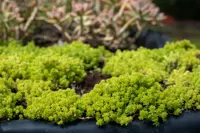
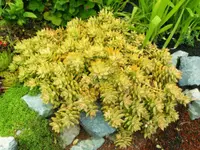
Tokyo Sun is a low-growing succulent groundcover form of Sedum japonicum, valued for its dense mat of tiny, bright yellow-green leaves. It typically forms a compact carpet that spreads more than it rises, giving a soft, cushion-like appearance in pots, troughs, or rock gardens.

This plant is native to East Asia, where sedums often grow in rocky, well-drained habitats. It is generally easy to grow, as it tolerates some neglect, short dry periods, and lean soils.

Good light, sharp drainage, and avoiding constant wetness are the main points to care for Tokyo Sun, especially in indoor containers or small outdoor spaces.

Main Plant Requirements

Care Difficulty

Easy Care

Light Preference

Full Sun

Water Requirements

Low Water

Temperature Preference

Cold Hardy

Hardiness Zone

5–9

Soil Texture

Sandy, Loamy, Rocky

Soil pH

Acidic (5.5–6.5), Slightly acidic (6.5–7.0)

Soil Drainage

Well-drained

Fertilization

Minimal (feed rarely)

Get Personalized Care Plan

Scan your plant to receive care tips personalized for your specific plant

Personalized Care in the App

Available on iOS and Android

How to Care for the Tokyo Sun

This low-growing succulent prefers bright light to full sun for compact, colorful growth.

  • Provide 4–6 hours of direct sun daily, ideally morning sun with light afternoon shade in hot summers to protect foliage from scorch.
  • Tolerates partial shade, but stems of Sedum japonicum ‘Tokyo Sun’ may stretch and lose vivid color if it receives under 3–4 hours of direct light.
  • In cooler seasons, it can handle more direct midday sun; in heat waves above 90°F (32°C), use shade cloth or plant near taller plants for filtered light.

This species stores water in its leaves and prefers infrequent, thorough watering.

  • Allow the top 2–5 cm of soil to dry completely before watering; in most outdoor conditions this means waiting until leaves just begin to feel slightly less firm.
  • Use fast-draining, gritty soil; standing water or compacted clay greatly increases root rot risk in Sedum japonicum.
  • In spring–summer, water more often during hot, dry spells; in fall–winter, cut frequency sharply and watch for shriveling leaves (too dry) or soft, translucent leaves (too wet).

This succulent grows best in mild to warm conditions with some tolerance of both heat and cold.

  • Optimal growth occurs around 65–80°F (18–27°C), where stems stay compact and foliage colors remain strong.
  • It typically survives light frosts down to about 20–25°F (-6 to -4°C) if soil drains well, but prolonged freezing with wet soil can damage roots and crowns.
  • In hot weather above 90°F (32°C), provide afternoon shade and avoid reflected heat from walls or pavement; growth usually slows in both very hot and very cold periods.

Humidity is rarely a concern for Sedum japonicum, which prefers dry to moderately dry air.

  • Performs well in 30–50% humidity, similar to typical indoor air in heated or air-conditioned homes.
  • Tolerates dry air without misting; excess humidity around foliage can promote rot.
  • Watch for soft, translucent leaves and stem blackening as signs of moisture-related stress rather than low humidity; improve air movement if this appears.

Sedum japonicum prefers very fast-draining, mineral-rich soil that dries quickly between waterings.

  • Use a gritty mix such as 50–70% inorganic material (pumice, perlite, coarse sand) blended with 30–50% lean potting mix or cactus mix.
  • Target a slightly acidic to neutral pH of about 6.0–7.0, avoiding strongly acidic or alkaline substrates that can limit nutrient uptake.
  • Ensure structure stays loose and airy; particles should be coarse enough that water runs through in seconds and the pot feels light soon after watering.
  • Avoid peat-heavy, compacted, or water-retentive soils, which keep roots wet and greatly increase the risk of rot.

This species is well suited to container growing due to its shallow, spreading root system and compact foliage.

  • Choose a wide, shallow pot to match the shallow roots and encourage dense mat-forming growth rather than deep vertical rooting.
  • Select a pot material such as unglazed terracotta if faster evaporation is needed in cooler or more humid climates.
  • Raise the container slightly on pot feet or blocks so drainage holes are unobstructed and excess water leaves the root zone quickly.

Sedum japonicum, including Tokyo Sun forms, needs only light feeding in poor soils to maintain compact growth.

  • Use a balanced, low-nitrogen fertilizer (around 5-10-10 or similar) or a thin layer of compost in spring.
  • Feed once at the start of the growing season; a second light dose in midsummer is enough for containers.
  • Dilute liquid fertilizer to 1/4–1/2 strength to avoid soft, leggy growth and root burn.
  • Stop feeding in late summer and do not fertilize in winter dormancy.

Sedum japonicum responds well to light pruning that keeps mats dense and prevents legginess.

  • Best time for pruning is late spring to midsummer, after new growth has filled in.
  • Pinch or trim back long, straggly, or crowded stems to maintain a low, even carpet.
  • Remove dead, damaged, or diseased shoots with clean scissors to reduce rot risk.
  • Light shearing after flowering tidies spent blooms and can stimulate fresh, compact growth.

This sedum prefers stable conditions and only needs repotting or transplanting when clearly rootbound or overcrowded.

  • Check for roots circling the pot holes, soil drying very fast, or slowed growth as signs to repot.
  • Plan repotting or outdoor transplanting for spring, once frost risk has passed and growth restarts.
  • Move plants every 2–3 years at most, choosing shallow, wide containers with very well-drained soil.
  • Water lightly after moving, keep in bright but not harsh sun for 3–5 days, and avoid fertilizing for 2–3 weeks to limit root stress.

Sedum japonicum is commonly multiplied from small stem pieces or divisions, which root fast in warm, dryish conditions.

  • Take 3–5 cm non-flowering stem cuttings in late spring or summer and let cut ends dry 1–2 days.
  • Press cuttings onto gritty, barely moist soil and provide bright, indirect light for rooting.
  • Divide dense mats in spring, replanting sections at the same depth in well-drained soil.
  • Sow seeds on the surface of a sandy mix, keep lightly moist, and maintain 65–75°F for germination.

This sedum is generally cold hardy in mild to moderate winters and usually needs little special attention outdoors.

  • In-ground plants tolerate light frosts if soil drains well and does not stay waterlogged.
  • Apply a thin gravel or stone mulch around crowns to improve drainage rather than to insulate heavily.
  • Move small containers under cover or indoors to a bright, cool, frost-free spot in very cold regions.
  • Water sparingly in winter, allowing soil to dry almost completely to prevent root rot in cold conditions.

Care Tips

Encourage Dense Mats

Pinch or trim back leggy stems in early spring and lightly tuck the cut tips onto the soil surface so they root and thicken the carpet rather than growing sparse and straggly.


Use Gravel Topdressing

Apply a 0.5–1 in layer of clean horticultural grit or small gravel around the plants to keep foliage dry at the base, reduce weed competition, and stabilize shallow roots in shallow containers or rock crevices.

Divide For Renewal

Every 2–3 years, lift and gently break apart crowded patches, discarding older woody centers and replanting the younger, more vigorous outer pieces to maintain color and compact growth.

Protect From Winter Saturation

In cold, wet climates, slightly tilt containers or raise one side of rock-garden pockets in late fall so excess rain or snowmelt drains away quickly and roots do not sit in cold waterlogged soil.

Plan For Spreading

When growing Tokyo Sun in mixed plantings, leave a clear buffer zone around each starter patch so its fast, creeping growth can fill in as a bright groundcover without smothering slower neighbors.

Common Pests and Diseases

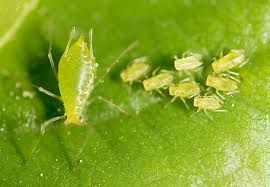
Aphids

These insects cluster on tender stems and new growth, sucking sap and causing curling, distortion, and sticky honeydew on leaves.

Solution

Remove heavily infested tips, then hose the plant with a strong stream of water to dislodge insects; follow with insecticidal soap or a light horticultural oil spray, repeating every 5–7 days until new growth is clean and predators like lady beetles are present.

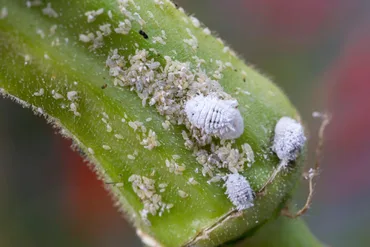
Mealybugs

This pest appears as small white cottony clumps in stem joints and along creeping stems, weakening plants by feeding on sap and promoting sooty mold on honeydew.

Solution

Isolate affected plants, dab visible insects with cotton swabs dipped in 70% isopropyl alcohol, then treat the entire plant with insecticidal soap or neem oil, repeating weekly until no new clusters appear and growth looks firm and turgid.

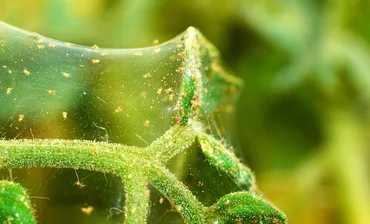
Spider mites

These insects are tiny sap-feeders that cause fine stippling, dull yellowing, and delicate webbing on dense mats of foliage, especially in hot, dry conditions.

Solution

Increase humidity slightly around the plant without keeping soil wet, then rinse foliage thoroughly with water and apply insecticidal soap or a miticide labeled for ornamentals, repeating treatments every 5–7 days while monitoring the undersides of leaves and stem joints.

Powdery mildew

This disease forms white, powdery patches on leaves and stems, sometimes causing yellowing and premature leaf drop in crowded or poorly ventilated plantings.

Solution

Remove and discard affected leaves, thin or divide dense mats to improve airflow, avoid overhead watering in the evening, and apply a sulfur-based or potassium bicarbonate fungicide according to label directions if new white patches keep appearing.

Bacterial soft rot

Symptoms include water-soaked, mushy stems and a foul odor, often starting in overly wet, compacted, or poorly drained soil conditions around dense groundcover patches.

Solution

Promptly remove and discard all affected plant material, improve drainage or raise the planting area, water only when the soil is dry through the top 2–3 cm, and replant only healthy, firm cuttings while avoiding crowded, constantly damp conditions in future Sedum japonicum care instructions.

Interesting Facts

Coastal rock specialist

This species naturally occurs on rocky sea cliffs and coastal slopes in Japan and parts of East Asia, where it roots into very shallow crevices exposed to strong sun and wind.

Summer-yellow foliage

Unlike many green sedums, its fine needle-like leaves can turn a bright yellow to yellow-green in strong light during the growing season, then often become greener and slightly bronzed in lower light or cooler conditions.

Mat-forming growth

It spreads by short, branching stems that root where they touch the substrate, forming low, dense mats that help stabilize thin soils on slopes and rock faces.

Botan icon

Did you know?

Sedum japonicum has been used in breeding ornamental cultivars such as Sedum japonicum 'Tokyo Sun', which is valued in horticulture for its unusually intense golden foliage and compact growth compared with the wild type.

FAQs about Tokyo Sun

Brown, crispy leaves usually come from underwatering, intense direct sun during heatwaves, or salt/mineral buildup in the soil. Check soil moisture, flush the pot occasionally with plain water, and give some protection from extreme midday sun.

Grow Healthy Plants with Botan Care

Keep your plants happy and healthy with plant identification, disease detection, and easy care guidance.

Botan plant care app — identify plants on mobile

Explore More Plants