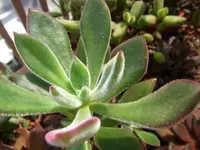
Cobweb Houseleek Care (Sempervivum arachnoideum)

About Cobweb Houseleek

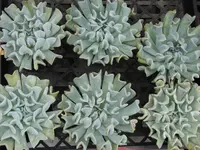
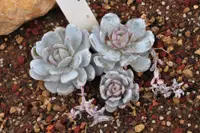
Cobweb houseleek, Sempervivum arachnoideum, is a compact, hardy succulent forming tight rosettes covered with fine white threads that resemble a spiderweb. It spreads slowly by offsets, creating low cushions or mats.

This species is native to mountainous regions of central and southern Europe, where it grows in rocky, well-drained sites with strong light and poor soils. Its drought tolerance, cold hardiness, and slow growth make it a forgiving choice for rock gardens, containers, and green roofs.

Because it stores water in its leaves and tolerates neglect, it suits beginners who want to learn how to care for Cobweb Houseleek without demanding maintenance. It prefers bright light, very free-draining soil, and careful watering that avoids constant moisture around the roots.

Main Plant Requirements

Care Difficulty

Easy Care

Light Preference

Full Sun

Water Requirements

Low Water

Temperature Preference

Cold Hardy

Hardiness Zone

3–8

Soil Texture

Sandy, Loamy, Rocky

Soil pH

Slightly acidic (6.5–7.0), Slightly alkaline (7.0–7.5)

Soil Drainage

Well-drained

Fertilization

Minimal (feed rarely)

Get Personalized Care Plan

Scan your plant to receive care tips personalized for your specific plant

Personalized Care in the App

Available on iOS and Android

How to Care for the Cobweb Houseleek

This alpine succulent thrives in bright outdoor light with a distinct preference for direct sun.

  • Provide 6–8 hours of direct sun daily; morning sun plus light afternoon sun brings compact rosettes and strong cobwebbing on Cobweb Houseleek.
  • Tolerates light partial shade, especially in hot climates, but rosettes may stretch and lose color if daily direct sun drops below 3–4 hours.
  • In very hot summers, protect from harsh late-afternoon sun with light shade to reduce leaf scorch, especially on shallow or stone trough plantings.

This species is drought-tolerant and prefers infrequent, deep watering over light, frequent applications.

  • Water only when the top 3–5 cm of soil are completely dry; in many outdoor rock gardens this may mean every 1–3 weeks in summer, less in spring and fall.
  • Use sharply draining, gritty soil so water runs through within seconds; standing water or a heavy mix quickly leads to root rot in Sempervivum arachnoideum.
  • Reduce watering in cool or wet seasons; wrinkling leaves signal thirst, while mushy, translucent leaves indicate overwatering and require longer drying intervals.

This hardy succulent is adapted to wide outdoor temperature swings, especially in temperate climates.

  • Ideal growing temperatures are 60–75Β°F (16–24Β°C) during the active season, with cooler nights helping maintain compact rosettes.
  • Mature plants tolerate cold down to about 0Β°F (βˆ’18Β°C) in well-drained soil; brief dips slightly below are often survivable if crowns stay dry.
  • Handles summer heat up to 90–95Β°F (32–35Β°C) if soil drains fast and rosettes receive some protection from intense late-afternoon sun.

Humidity is rarely a concern, as this alpine succulent prefers dry air.

  • Aim for 20–40% humidity; typical indoor or outdoor dry air suits Cobweb Houseleek well.
  • Watch for rot, pale mushy leaves, or fungal spots as signs humidity is too high, especially in warm, still air.
  • Increase air movement and space between rosettes instead of adding moisture if conditions feel humid.

Sempervivum arachnoideum needs very fast-draining, mineral-based soil to prevent root and crown rot.

  • Use a gritty mix such as 60–70% mineral material (coarse sand, fine gravel, pumice, or perlite) with 30–40% lean potting mix or compost.
  • Aim for slightly acidic to neutral pH around 6.0–7.5, avoiding strongly acidic or alkaline substrates that can limit nutrient uptake.
  • Create a shallow, sloping planting surface so water sheds away from rosette centers and does not pool around the crown.
  • Avoid heavy, compacted, or high-peat soils that stay wet and instead incorporate coarse particles to improve aeration and rapid drainage.

This species is very suitable for container growing, including shallow bowls and troughs.

  • Choose a shallow, wide container so offsets can spread while the relatively short roots still access the full soil volume efficiently.
  • Prefer unglazed clay pots when possible, as they evaporate moisture faster and lower the risk of prolonged wetness around the roots.
  • Elevate containers on feet or pot risers so drainage holes stay clear and water cannot collect under the base after rain or watering.

This succulent needs very light feeding, as it is adapted to poor, rocky soils.

  • Use a diluted balanced liquid fertilizer (around 10-10-10) at 1/4 strength in spring to midsummer for Cobweb Houseleek.
  • Apply no more than 1–2 light feeds per growing season to avoid soft, weak growth.
  • Skip fertilizer in fall and winter when growth slows or stops.
  • Compost worked into very lean container mix at planting can replace liquid feeding.

Pruning needs for Sempervivum arachnoideum are minimal and mostly cosmetic.

  • Best time to prune is during active growth in spring or early summer.
  • Gently remove dead rosettes, dried leaves, and any damaged or diseased parts by hand or with small snips.
  • Thin out crowded offsets to maintain a compact, open mat and better air flow.
  • Cut off spent flower stalks at the base once they dry to keep the plant tidy.

This species prefers to stay slightly cramped and is repotted or transplanted only occasionally.

  • Check for roots circling the container drainage holes or noticeably slow growth as signs it needs more space.
  • Plan repotting or transplanting in spring to early summer, about every 3–5 years in containers.
  • Use a shallow, wide pot or well-drained rock garden spot with gritty, low-organic soil.
  • Handle rosettes gently, disturb roots as little as possible, and water lightly after moving to reduce stress.

Sempervivum arachnoideum is commonly propagated from offsets rather than seed.

  • Separate offsets (young rosettes) in spring or early summer when they are thumb-sized and well rooted.
  • Lift the mat gently, cut or pull offsets away with a short section of stolon attached, and replant shallowly.
  • Use a very gritty, fast-draining mix and bright light to encourage quick rooting.
  • Seed propagation is possible but slow; sow on the surface of a sterile, sandy mix and keep barely moist.

This hardy succulent tolerates considerable frost and usually needs little winter care in the ground.

  • Mature plants in well-drained soil often handle freezes down to at least 0Β°F without additional protection.
  • In very wet winters, provide a gritty top dressing or slight gravel mulch to keep crowns from sitting in water.
  • Move containers to a sheltered, unheated spot with good light to avoid waterlogged, frozen soil.

Care Tips

Offset management

Gently lift and replant crowded offsets in early spring or late summer to maintain airflow between rosettes and reduce rot in the central cluster.

Rock crevice planting

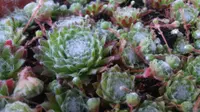
Tuck rosettes into narrow rock crevices or between pavers with very shallow, gritty substrate to keep crowns dry while roots access cooler, slightly moister pockets below.

Winter moisture control

In wet winter climates, tilt containers slightly or raise one side on pot feet so excess rain drains away from the rosette centers and reduces crown rot risk.

Sun-stress coloration

Gradually increase direct sun exposure over 1–2 weeks in spring to develop stronger pigmentation without scorching, which is especially useful when growing Cobweb Houseleek in containers moved outdoors.

Flowering rosette handling

After a rosette flowers and begins to collapse, remove the spent rosette cleanly at the base and lightly backfill the gap with gritty mix to give space and support for surrounding offsets.

Common Pests and Diseases

Mealybugs

This pest feeds on the rosettes and leaf bases, often hiding deep between tightly packed leaves where the cobweb fibers make them harder to spot. Symptoms include white cottony clumps, sticky honeydew, and distorted new growth.

Solution

Remove visible insects with a cotton swab dipped in 70% isopropyl alcohol and flush the rosette with a strong but controlled stream of water. For larger infestations, use a ready-to-use insecticidal soap or neem oil spray directed into leaf crevices, and isolate the plant while improving air circulation and reducing excess humidity.

Vine weevils

These insects damage the plant in both life stages: adults chew irregular notches from leaf edges, while larvae feed on roots and the base of the rosette, leading to sudden collapse. Symptoms include loose plants, wilting despite dry soil, and sometimes visible C-shaped white grubs in the substrate.

Solution

Hand-pick adult beetles at night using a flashlight and discard them, then repot the plant into fresh, gritty mix while removing and destroying any larvae in the old soil. In outdoor collections, apply beneficial nematodes labeled for vine weevils to the soil during warm months to reduce larval populations long term.

Aphids

These insects cluster around the growing points and flower stalks, sucking sap and weakening the small rosettes. Symptoms include sticky honeydew, distorted new leaves, and sometimes ants tending the aphid colonies.

Solution

Rinse the plant thoroughly with a firm stream of water, focusing on flower stalks and inner rosettes, then allow it to dry quickly in good light. If needed, apply insecticidal soap or a dilute neem oil spray every 5–7 days until no new aphids appear, and avoid overfertilizing, which encourages soft, aphid-prone growth.

Fungal leaf spot

This disease appears during prolonged wet, cool conditions, especially when water sits in the rosettes. Symptoms include small brown or black spots on leaves, sometimes merging into larger patches that cause tissue to dry and die back.

Solution

Remove and discard affected leaves or entire damaged offsets, then place the plant in a brighter, breezy location where foliage dries quickly. Water at the base on dry, sunny days, avoid overhead watering, and consider a light application of a sulfur- or copper-based fungicide if spots continue to spread despite cultural changes.

Crown rot

This disease develops when water and humidity remain trapped in the tight rosettes, especially in poorly draining soil, leading to a soft, brown, collapsing center. Symptoms include a mushy crown, foul smell, and leaves that detach easily from the base.

Solution

Immediately remove and discard the affected rosette and any soft surrounding tissue, keeping only firm, healthy offsets. Replant salvaged rosettes in a very gritty, fast-draining mix, water sparingly until new roots form, and provide full sun, good airflow, and careful watering as the core of Sempervivum arachnoideum care instructions.

Interesting Facts

Natural cobweb adaptation

The dense white threads over the leaf rosettes are real plant hairs (trichomes), which help protect the growing tip from strong sun, cold, and moisture loss in its native alpine habitats.

Alpine rock specialist

This species is naturally found in high-elevation rocky slopes of the European Alps and nearby mountain ranges, where it anchors itself in very shallow, stony soil and survives strong winds and temperature swings.

Clonal rosette colonies

It spreads mainly by producing numerous offsets, forming tight, genetically identical mats that can cover rock crevices and help stabilize small amounts of soil and grit.

Botan icon

Did you know?

Historical herbals from central Europe often illustrated this species growing on stone roofs and walls, where it was planted both for its hardiness and as a traditional charm against lightning and fire, contributing to its long association with mountain farms and alpine villages.

FAQs about Cobweb Houseleek

This species usually flowers only after rosettes reach maturity, often after several years. Blooming is also influenced by strong light, seasonal temperature changes, and a short winter rest. Some rosettes may never flower under consistently mild indoor conditions.

Grow Healthy Plants with Botan Care

Keep your plants happy and healthy with plant identification, disease detection, and easy care guidance.

Botan plant care app β€” identify plants on mobile

Explore More Plants