


Rotate for symmetry
Turn the pot 90° every 2–3 weeks so rosettes develop evenly and do not lean or flatten toward the main light source.

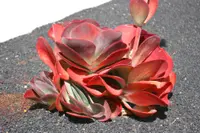
Paddle plant, Kalanchoe luciae, is a compact succulent with flat, rounded leaves arranged in rosettes. The leaves often develop red edges in strong light, giving a striking, sculptural look. Native to arid regions of southern Africa, it is adapted to bright sun and dry conditions, which makes it suitable for sunny windowsills and low-maintenance indoor displays. Growth is generally slow and upright, with older plants sometimes sending up tall, branched flower stalks. Thick, water-storing leaves and a small root system make it forgiving of occasional missed waterings but sensitive to overwatering. Understanding how to care for Paddle plant mainly involves giving strong light, fast-draining soil, and avoiding persistently wet conditions.

Care Difficulty
Easy Care

Light Preference
Full Sun

Water Requirements
Low Water

Temperature Preference
Tropical / Frost Sensitive

Hardiness Zone
10–12

Soil Texture
Sandy, Loamy, Rocky

Soil pH
Slightly acidic (6.5–7.0), Neutral (7.0)

Soil Drainage
Well-drained

Fertilization
Minimal (feed rarely)
Scan your plant to receive care tips personalized for your specific plant
Available on iOS and Android
Kalanchoe luciae needs strong light to maintain compact growth and good leaf color.
This succulent stores water in its leaves and prefers thorough but infrequent watering.
This species prefers warm, dry conditions and does not tolerate frost.
Kalanchoe luciae handles typical indoor humidity well, so moisture in the air is rarely a major concern.
This succulent needs very fast-draining, mineral-based soil to avoid root suffocation and rot.
This species is very suitable for container growing due to its compact, shallow root system.
This succulent benefits from light feeding during its active season but does not need heavy fertilization.
Pruning supports compact growth and removes weak material on Kalanchoe luciae.
This species prefers slightly tight pots and only occasional repotting in a fast-draining mix.
This plant is commonly multiplied from cuttings rather than from seed.
Cold protection is important because this succulent is sensitive to freezing temperatures.

Plant Health Check
Not sure what's wrong with your plant? Check your plant's health inside the app.
Its paddle-shaped leaves can turn vivid red along the margins when exposed to strong, direct sun, due to increased production of protective pigments called anthocyanins that shield tissues from light stress.
This species is a short-day plant, forming its tall clusters of pale, tubular flowers in late winter to early spring when day length and light intensity decrease in its native habitat.
In the wild it typically grows on exposed, rocky slopes in South Africa and Eswatini, where shallow, fast-draining soils and intense light favor succulents adapted to drought and high solar radiation.

This species has often been confused in cultivation with the similar Kalanchoe thyrsiflora, and many plants sold under that older name are actually Kalanchoe luciae, which has helped make it one of the most widely distributed paddle-leaved Kalanchoe in horticulture.
Brown patches usually come from sun scorch, cold drafts, or old age on lower leaves. Check for hard water spots along edges, mechanical damage, or fungal spots. Remove damaged leaves and correct the environmental cause to prevent recurrence.
Keep your plants happy and healthy with plant identification, disease detection, and easy care guidance.

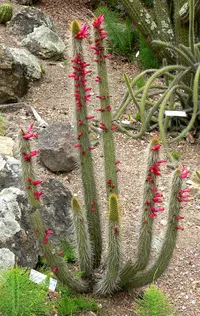
Cleistocactus candelilla
Cleistocactus candelilla
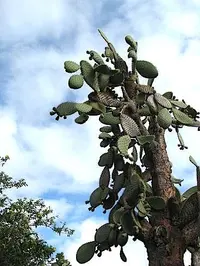
elephantear pricklypear
Opuntia tuna
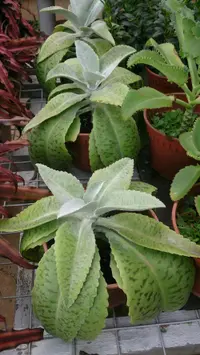
donkey ears
Kalanchoe gastonis-bonnieri
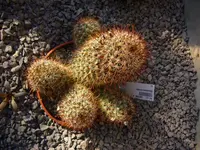
Cochemiea armillata
Cochemiea armillata
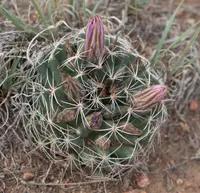
Cochemiea wrightii
Cochemiea wrightii
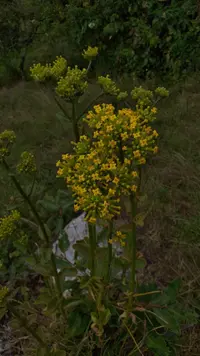
Kalanchoe densiflora
Kalanchoe densiflora
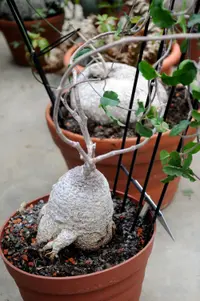 POPULAR
Hottentot Bread
Fockea edulis
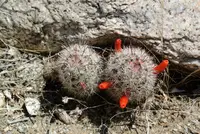
common fishhook cactus
Cochemiea tetrancistra