Light acclimation
When moving the plant outdoors for summer or closer to a bright window, increase light exposure over 7–10 days to prevent leaf scorch and preserve the fine hairs on the foliage.

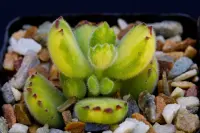
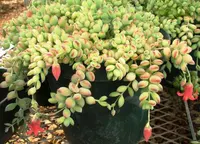
Bear's paw (Cotyledon tomentosa) is a small, slow-growing succulent shrub from South Africa, valued for its thick, fuzzy leaves with claw-like tooth tips. The leaves store water, which helps the plant tolerate short dry periods and makes it suitable for beginners who tend to underwater.
In good light it stays compact and may produce tubular orange flowers on short stems. It is usually grown in pots indoors or in warm, dry outdoor climates.
This species prefers bright light, low to moderate watering, and very well-drained, gritty soil, so those basics are the main focus when learning how to care for Bear's paw.

Care Difficulty
Moderate Care

Light Preference
Partial Sun

Water Requirements
Low Water

Temperature Preference
Tropical / Frost Sensitive

Hardiness Zone
10–11

Soil Texture
Sandy, Loamy, Rocky

Soil pH
Slightly acidic (6.5–7.0), Neutral (7.0)

Soil Drainage
Well-drained

Fertilization
Minimal (feed rarely)
Scan your plant to receive care tips personalized for your specific plant
Available on iOS and Android
This succulent prefers bright light with some direct sun but needs protection from harsh exposure.
This succulent stores water in its leaves and needs infrequent, careful watering.
This species prefers warm, dry conditions and has low tolerance for cold and frost.
Humidity is rarely a limiting factor for this succulent if watering is controlled.
Soil must be very fast-draining to prevent root and stem rot.
This species grows very well in containers when excess moisture is strictly controlled.
This succulent benefits from light, controlled feeding to support compact growth without soft, weak tissue.
Pruning Cotyledon tomentosa is mainly for tidying and shaping rather than strict size control.
This succulent grows slowly and needs infrequent repotting in a well-drained mix.
New plants are most commonly raised from stem or leaf cuttings under warm, bright, dry-leaning conditions.
This succulent is frost-sensitive and needs protection in regions with cold winters.

Plant Health Check
Not sure what's wrong with your plant? Check your plant's health inside the app.
The leaf tips of this species often develop 3–5 pointed, reddish teeth that resemble tiny animal claws, which is why it is commonly called bear's paw.
Its thick, fuzzy leaf surface is made of fine hairs that help reduce water loss and protect tissues from strong sun and rapid temperature changes in its native habitats.
In the wild, it is found on rocky slopes and outcrops in parts of South Africa, where its compact, water-storing leaves help it survive irregular rainfall and well-drained, often shallow soils.

This species produces relatively large, tubular, drooping orange to reddish flowers on tall stalks compared with its compact, low-growing leaves, an adaptation that elevates the blooms for easier access by pollinating insects and birds in its natural range.
Brown leaf tips or patches usually come from underwatering, intense direct sun, or low humidity combined with heat. Entirely brown, mushy leaves point to rot from overwatering or poor drainage. Adjust watering and light, then remove damaged leaves.
Keep your plants happy and healthy with plant identification, disease detection, and easy care guidance.