Rock-crevice planting
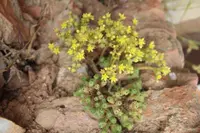
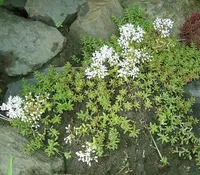
Tuck plants into sloping rock crevices or the edge of raised beds so excess water drains away quickly and crowns stay slightly elevated above surrounding soil.


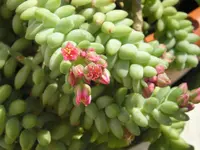
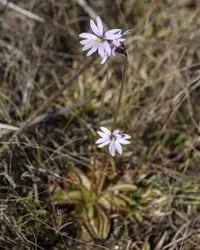
Cliff maids (Lewisia cotyledon) is a compact, evergreen perennial from rocky slopes in western North America. It forms low rosettes of fleshy, spoon-shaped leaves. Short, slender stems carry clusters of starry flowers in shades of white, pink, orange, or yellow, often with striking stripes. The plant stays small and neat, which makes it popular for rock gardens and containers.
Lewisia cotyledon prefers cool roots, sharp drainage, and relatively bright light, similar to its native cliff crevices. It resents waterlogged soil and hot, stagnant conditions, so site choice is important. Once its needs are understood, it can be long-lived and rewarding, especially for those who want to learn how to care for Cliff maids.

Care Difficulty
Moderate Care

Light Preference
Partial Sun

Water Requirements
Low Water

Temperature Preference
Cold Hardy

Hardiness Zone
3–8

Soil Texture
Sandy, Loamy, Rocky

Soil pH
Acidic (5.5–6.5), Slightly acidic (6.5–7.0)

Soil Drainage
Well-drained

Fertilization
Minimal (feed rarely)
Scan your plant to receive care tips personalized for your specific plant
Available on iOS and Android
Lewisia cotyledon prefers bright conditions with strong light but protection from harsh extremes.
Lewisia cotyledon needs careful, sparing watering to avoid root rot.
This alpine perennial prefers cool to mild conditions with good airflow around the rosette.
Lewisia cotyledon prefers dry to moderately dry air and rarely suffers from low household humidity.
This species needs very fast‑draining, gritty soil that keeps roots aerated and dry between waterings.
This species is well suited to container growing when drainage and root conditions are tightly controlled.
Lewisia cotyledon benefits from light, careful feeding in lean, well-drained soil.
Lewisia cotyledon needs only light pruning to stay tidy and flowering well.
Lewisia cotyledon dislikes frequent disturbance, so repot or transplant only when clearly needed.
Lewisia cotyledon is commonly propagated by division of offsets and by seed under controlled conditions.
Lewisia cotyledon is fairly cold hardy but sensitive to prolonged winter wet around the crown.

Plant Health Check
Not sure what's wrong with your plant? Check your plant's health inside the app.
This species is naturally adapted to grow in narrow rock crevices and scree slopes in western North America, anchoring its thick taproot deep between stones to reach cooler, moister pockets of soil.
It forms evergreen or semi-evergreen leaf rosettes that often persist through winter, allowing it to start photosynthesis and flowering earlier in the growing season than many neighboring alpine plants.
Natural populations show striking variation in flower color and pattern, from white and soft pink to vivid orange and magenta, with many selections in cultivation derived directly from this genetic diversity.

The species epithet cotyledon refers to the thick, fleshy, spoon-shaped leaves that resemble oversized cotyledons (the first seed leaves), highlighting how strongly this plant has evolved succulent foliage for water storage in its harsh, rocky mountain habitat.
Poor flowering usually comes from too little light, excess summer heat at the roots, or overly rich, wet soil. Provide cool, bright conditions, excellent drainage, and a short rest after flowering. Avoid heavy feeding and keep crowns above soggy soil.
Keep your plants happy and healthy with plant identification, disease detection, and easy care guidance.