Red Pagoda Care (Crassula capitella)

About Red Pagoda

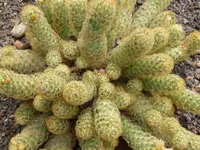
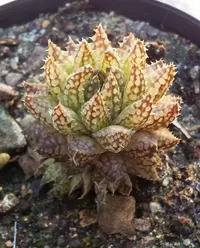
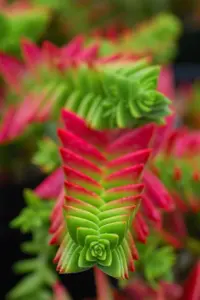
Red pagoda (Crassula capitella) is a compact, drought-tolerant succulent known for its stacked, triangular leaves that form a pagoda-like tower. The foliage often turns bright red in strong light, giving the plant a striking geometric look.

This species comes from dry, sunny areas of southern Africa, so it is adapted to intense light and lean, fast-draining soils. It usually stays low and can trail or mound, making it suitable for containers, rocky beds, and mixed succulent plantings.

Its ability to store water and tolerate brief neglect makes it moderately easy to keep, especially for those learning how to care for Red Pagoda. Consistent bright light and careful watering help maintain its color and compact shape.

Main Plant Requirements

Care Difficulty

Moderate Care

Light Preference

Full Sun

Water Requirements

Low Water

Temperature Preference

Tropical / Frost Sensitive

Hardiness Zone

10–11

Soil Texture

Sandy, Loamy, Rocky

Soil pH

Slightly acidic (6.5–7.0), Neutral (7.0)

Soil Drainage

Well-drained

Fertilization

Minimal (feed rarely)

Get Personalized Care Plan

Scan your plant to receive care tips personalized for your specific plant

Personalized Care in the App

Available on iOS and Android

How to Care for the Red Pagoda

Crassula capitella needs strong light to keep compact growth and maintain its red coloration.

  • Provide 4–6 hours of direct morning sun plus bright light the rest of the day; outdoors, an east or southeast exposure is ideal for growing Red Pagoda.
  • Tolerates light afternoon sun in mild climates, but in hot, dry regions give protection from intense midday and late-afternoon sun to prevent leaf scorch.
  • In partial shade the plant stays greener and stretches; move it gradually to brighter light, especially in winter when natural light levels drop.

This succulent stores water in its leaves and prefers infrequent, deep watering with thorough drying between soakings.

  • Water only when the top 3–5 cm of soil are completely dry; in summer this may be every 7–14 days, in winter often much less, depending on heat and wind.
  • Use very fast-draining, gritty soil so excess water runs out quickly; persistent moisture around the roots is the main cause of rot in Crassula capitella.
  • Signs of overwatering include soft, translucent leaves and blackened stems, while severe wrinkling and drooping leaves indicate it has stayed dry too long.

This species prefers warm, dry conditions and does not tolerate frost.

  • Aim for day temperatures around 65–80°F (18–27°C) for best growth, with slightly cooler nights to mimic its natural habitat.
  • Protect from cold below 40°F (4°C); brief dips to 32°F (0°C) may damage leaves, and prolonged freezing can kill the plant.
  • In hot spells above 90°F (32°C), provide light shade and good airflow, and avoid watering during the hottest part of the day to limit heat stress.

This succulent handles typical indoor humidity well and rarely needs special adjustments.

This species needs a fast-draining, mineral-heavy mix to keep roots dry and oxygenated.

  • Use a gritty, sandy mix such as 50–70% cactus soil blended with coarse perlite or pumice for strong drainage.
  • Incorporate a small portion of inorganic grit (3–5 mm) like crushed granite to improve structure and airflow around roots.
  • Keep pH slightly acidic to neutral (pH 6.0–7.0), avoiding strongly acidic or alkaline substrates that limit nutrient uptake.
  • Avoid dense peat-heavy or clay soils that stay wet, as Crassula capitella roots are prone to rot in low-oxygen conditions.

This species is well-suited to container growing due to its shallow, fibrous root system and compact habit.

  • Choose a wide, shallow pot to encourage lateral spreading and reduce the risk of water pooling at depth.
  • Select an unglazed terracotta container if excess moisture is an issue, as its porous walls speed evaporation from the root zone.
  • Ensure the container is heavy or weighted if plants lean or cascade, so the spreading foliage does not tip the pot over.

Crassula capitella benefits from light, controlled feeding during active spring–summer growth.

  • Use a balanced liquid fertilizer (around 10-10-10 or 20-20-20) diluted to 25–50% strength for caring for Red Pagoda.
  • Apply every 4–6 weeks in the growing season on already-moist soil to limit root burn risk.
  • Skip feeding in late fall and winter when growth slows and the plant rests.
  • A thin layer of fine compost on top of the soil can replace 1–2 liquid feedings per year.

Pruning Crassula capitella is mainly used to maintain shape and remove weak growth.

  • Best time is late winter to early spring, just before new growth starts.
  • Use clean, sharp scissors or small pruners to remove dead, damaged, or shriveled stems and leaves.
  • Shorten leggy or stretched stems above a leaf node to keep a compact, layered form.
  • Pinching soft tips after flowering encourages branching and denser rosettes.

Crassula capitella is shallow-rooted and prefers modest repotting rather than frequent upsizing.

  • Plan to repot every 2–3 years, ideally in spring, when roots circle the pot or growth slows despite good light.
  • Choose a container just 2–3 cm wider with drainage holes and a fast-draining succulent mix.
  • Gently loosen circling roots, remove old, compacted soil, and keep the original root depth when replanting.
  • Water lightly after repotting, then allow the mix to dry almost fully to limit root stress and rot risk.

Crassula capitella is commonly multiplied from stem or leaf cuttings rather than from seed.

  • Take 5–8 cm non-flowering stem cuttings in late spring or summer and remove lower leaves.
  • Allow cut surfaces to callus (dry and seal) for 1–2 days to reduce rot risk.
  • Set cuttings in barely moist, gritty succulent mix under bright, indirect light with good airflow.
  • Maintain moderate warmth (68–75°F) and minimal watering until firm roots form, then treat as mature plants.

Crassula capitella is frost-sensitive and needs careful winter management in most temperate climates.

  • Keep plants above 40°F; prolonged exposure to freezing temperatures can kill foliage and roots.
  • Move containers indoors or into a bright, cool, frost-free greenhouse before first frost.
  • Use a very sandy, free-draining mix and reduce watering markedly to prevent cold, wet root rot.
  • In mild climates, a raised bed and gritty soil improve winter survival outdoors.

Care Tips

Rotate for symmetry

Turn the pot 90° every 2–3 weeks so the rosettes color and stack evenly rather than leaning or stretching toward the strongest light source.

Refresh lower rosettes

When older bottom rosettes become woody or sparse, take 5–8 cm tip cuttings, let them callus for 1–2 days, then replant to keep the display dense and colorful.

Use shallow containers

Plant in wide, shallow trays or bowls to allow stems to creep and layer, which creates a compact mat instead of tall, floppy towers.

Seasonal color boosting

For stronger red coloration, gradually increase light exposure in late spring and reduce nitrogen-rich fertilizing, while avoiding sudden moves from low light to intense sun that can scorch leaves.

Monitor for mealybugs

Inspect leaf axils and stem joints monthly for white cottony clusters, and at the first sign dab insects with a cotton swab dipped in 70% isopropyl alcohol to prevent colonies from deforming new growth while caring for Red Pagoda.

Common Pests and Diseases

Mealybugs

This pest feeds on leaf and stem sap, often hiding in the tight leaf layers of the pagoda-like rosettes and leaving white cottony clusters behind. Symptoms include stunted growth, sticky honeydew, and distorted new leaves.

Solution

Remove visible insects with a cotton swab dipped in 70% isopropyl alcohol, then rinse the plant thoroughly with a strong but gentle stream of water to flush crevices. Isolate the plant, repeat alcohol spot-treatments weekly until no new pests appear, and improve light and airflow to support Crassula capitella care.

Aphids

These insects cluster on tender tips and flowering stems, sucking sap and causing curling or yellowing of the youngest leaves. Sticky honeydew may attract sooty mold on the foliage surface.

Solution

Spray the plant with a strong stream of water to dislodge aphids, then apply an insecticidal soap solution to all leaf surfaces, including undersides and stem joints. Repeat treatments every 5–7 days until populations drop, and avoid overfertilizing, which encourages soft, aphid-prone growth.

Spider mites

These pests thrive in hot, dry conditions and can quickly damage the thin leaves, causing fine webbing, speckled discoloration, and a dull, dusty look to the foliage. Symptoms include slow decline and leaf drop if populations are high.

Solution

Rinse the plant thoroughly under lukewarm water, focusing on leaf undersides and tight rosettes, then apply insecticidal soap or a horticultural oil labeled for mites. Increase humidity slightly around the plant without keeping the soil wet and check nearby succulents regularly, as infestations spread easily.

Fungal leaf spots

This disease appears as small, dark, sometimes reddish-brown spots on leaves, often starting where water sits in the stacked foliage, especially in humid or poorly ventilated conditions. Symptoms include gradual yellowing and premature leaf drop in affected areas.

Solution

Remove and discard all affected leaves and avoid overhead watering so that water does not sit trapped between leaf layers. Improve airflow, give the plant more light, water only at the soil level, and in severe or persistent cases apply a sulfur or copper-based fungicide labeled for ornamental succulents.

Edema

This physiological disorder occurs when roots absorb water faster than leaves can transpire it, leading to water-soaked blisters or corky patches on leaves, especially after sudden overwatering or a rapid change from dry to wet soil. Symptoms include rough, scarred areas that do not heal but usually do not spread once conditions stabilize.

Solution

Allow the soil to dry more deeply between waterings, especially in cool or low-light periods, and use a fast-draining gritty mix in a pot with drainage holes. Adjust watering to small, infrequent doses, avoid sudden soaking after long dry spells, and provide strong light to improve water use in the plant.

Interesting Facts

Color shift with stress

The leaves of this species turn intense red when exposed to high light and mild water stress, a response linked to increased production of protective pigments called anthocyanins.

Tiered rosette architecture

Its stacked, pagoda-like rosettes arise from tightly packed, opposite leaves along the stem, which helps the plant maximize light capture while keeping a compact, low-growing form.

Shallow, efficient roots

In its native southern African habitats, this plant forms shallow root systems that quickly absorb brief rainfall events and help it survive in well-drained, often rocky soils.

Botan icon

Did you know?

In habitat, Crassula capitella often grows among other low succulents and small shrubs, using their partial shade as protection from extreme midday sun while still receiving enough light to maintain its characteristic red coloration.

FAQs about Red Pagoda

Leggy, stretched growth usually comes from insufficient light and older stems elongating naturally. Prune back the tallest shoots, replant healthy cuttings, and rotate containers regularly. Over time this encourages denser rosettes and more compact form.

Grow Healthy Plants with Botan Care

Keep your plants happy and healthy with plant identification, disease detection, and easy care guidance.

Botan plant care app — identify plants on mobile

Explore More Plants