


Encourage Dense Mats
Pinch or lightly shear the tips after flowering to encourage tighter, denser groundcover and to prevent the plant from becoming thin and patchy in the center.


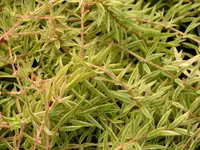
Needle stonecrop (Sedum lineare) is a low-growing succulent groundcover with fine, needle-like leaves that form dense, bright green mats. It often develops a slightly trailing habit, spilling over edges and between stones.
This species is native to East Asia and is commonly used in rock gardens, green roofs, and container plantings. Its fleshy leaves store water, which makes it quite tolerant of short dry periods.
Sedum lineare prefers bright light, well-drained soil, and moderate moisture, and it usually stays compact without much pruning. These traits make it easy to care for Needle Stonecrop in a wide range of home and garden settings.

Care Difficulty
Easy Care

Light Preference
Full Sun

Water Requirements
Low Water

Temperature Preference
Cold Hardy

Hardiness Zone
6–9

Soil Texture
Sandy, Loamy, Rocky

Soil pH
Slightly acidic (6.5–7.0), Neutral (7.0)

Soil Drainage
Well-drained

Fertilization
Minimal (feed rarely)
Scan your plant to receive care tips personalized for your specific plant
Available on iOS and Android
Sedum lineare thrives in bright conditions and stays most compact with several hours of direct sun each day.
Sedum lineare prefers infrequent, light watering and copes well with short dry spells.
This sedum is fairly cold hardy but grows best in mild, stable temperatures.
Humidity is rarely a limiting factor for Sedum lineare and standard indoor levels are usually adequate.
Sedum lineare prefers very fast-draining, mineral-rich soil that dries quickly between waterings.
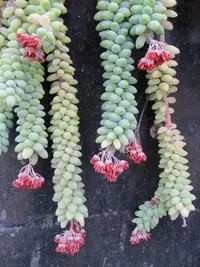
Unlike the longer cascading Burro’s-tail, which is commonly displayed in hanging baskets, Needle Stonecrop works especially well in shallow bowls and troughs where its runners can spread across the surface before spilling over the edge.
Sedum lineare needs only light feeding, as excessive nutrients reduce its compact, drought-tolerant growth.
The related Stringy Stonecrop spreads more vigorously through stems. But pruning Sedum lineare is mainly for tidying and controlling spread rather than plant health.
This sedum rarely needs frequent repotting, but occasional transplanting keeps growth dense and healthy.
Sedum lineare is commonly propagated to expand groundcover or refresh older plantings.
This sedum is generally cold hardy and needs minimal winter care in most temperate climates.

Plant Health Check
Not sure what's wrong with your plant? Check your plant's health inside the app.
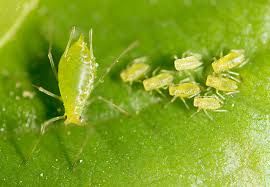
These insects cluster on tender stems and new growth, sucking sap and causing distortion, sticky honeydew, and sooty mold on needle stonecrop mats.
This pest tends to build up during mild, moist weather or on overfertilized plants.
Solution
Spray the foliage with a strong stream of water to dislodge colonies, then treat remaining insects with insecticidal soap or a ready-to-use neem oil product, repeating every 5–7 days.
Reduce excess nitrogen fertilization and encourage natural predators such as lady beetles by avoiding broad-spectrum insecticides nearby.
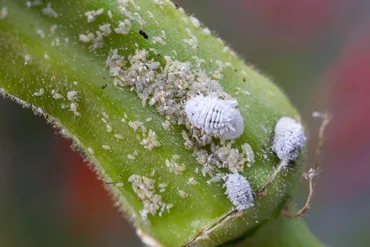
These insects appear as white, cottony clusters tucked into stem joints and dense foliage, feeding on sap and weakening spreading patches over time.
This pest is more common on container-grown plants and in sheltered, warm sites.
Solution
Isolate affected pots, then dab visible mealybugs with cotton swabs dipped in 70% isopropyl alcohol and follow with an application of insecticidal soap to the whole plant.
Improve light and airflow around the foliage and inspect regularly, removing heavily infested stems to prevent reestablishment.
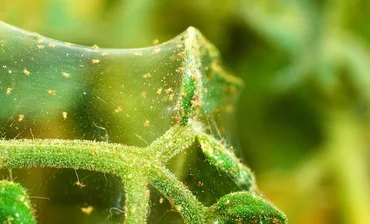
These pests are tiny and often hard to see but cause fine stippling, dulling of leaf color, and delicate webbing on stems, especially in hot, dry conditions.
This pest can cause gradual thinning of the sedum carpet if not noticed early.
Solution
Rinse plants thoroughly with a firm spray of water, including the undersides of leaves, then apply insecticidal soap or horticultural oil, repeating at 5–7 day intervals.
Raising humidity slightly around container plants and avoiding water stress helps reduce future outbreaks.
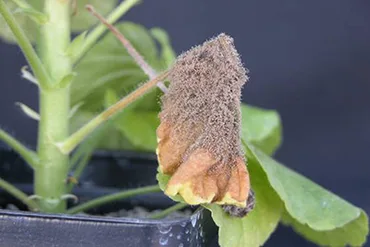
This disease leads to soft, water-soaked stems and leaves that collapse and may develop fuzzy gray mold, especially in dense plantings with prolonged moisture.
Symptoms include patchy dieback in crowded or poorly ventilated areas of a sedum groundcover.
Solution
Remove and discard all affected plant material, cutting back to healthy tissue, and avoid overhead watering that keeps foliage wet for long periods.
Thin or divide overly dense patches to improve airflow, and in persistent cases consider a fungicide used according to the product directions.
In its native East Asian range, this species forms dense, mat-like carpets that help stabilize thin or rocky soils, especially on slopes and disturbed sites.
Its narrow, succulent leaves store water and have a waxy cuticle that reduces moisture loss, allowing the plant to stay green and functional through long hot, dry periods.
Sedum lineare is frequently used in green roofs and living walls in cities because it copes well with shallow substrates, heat-reflecting surfaces, and intermittent watering.

In some regions outside its native range, Sedum lineare has escaped cultivation and naturalized along roadsides and disturbed habitats, where its fast-spreading mats can compete with local low-growing vegetation and is therefore monitored as a potentially invasive groundcover in sensitive ecosystems.
This species spreads by creeping stems that root at the nodes, forming a low mat over time. It is typically not considered invasive but can slowly occupy available open soil and fill gaps between stones or pavers.
Keep your plants happy and healthy with plant identification, disease detection, and easy care guidance.

Six-Angled Kalanchoe
Kalanchoe sexangularis
Austrocylindropuntia vestita
Austrocylindropuntia vestita
 POPULAR
Queen Anthurium
Anthurium warocqueanum
 POPULAR
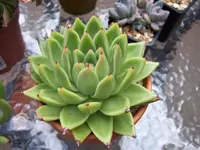
Lipstick
Echeveria agavoides
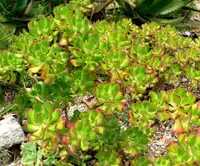
tree stonecrop
Sedum dendroideum
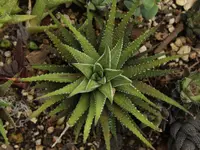
Fasciated haworthia
Haworthiopsis fasciata
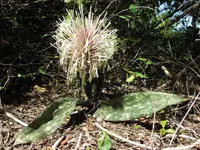
star sansevieria
Dracaena pethera
 POPULAR
Burro's tail
Sedum burrito