Sturdy structural support
Install a thick, stable moss pole or wooden stake early, then gradually tie new petioles with soft plant ties so the plant can carry its own weight and develop larger, more symmetrical leaves.

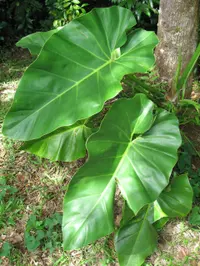
Giant philodendron, Philodendron giganteum, is a large aroid grown mainly for its bold, glossy foliage and strong architectural presence. It is usually kept as a statement indoor plant or in sheltered outdoor spaces in warm climates.
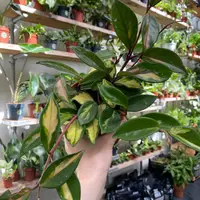
This species forms broad, heart-shaped leaves that can become very large with age, creating a lush, tropical look. Plants grow from a short, thick stem and spread outward more than upward.
Philodendron giganteum is native to tropical regions of the Caribbean and parts of South America, where it grows in warm, humid forests with filtered light. It is generally considered moderate in difficulty, as it tolerates some neglect but responds best to stable warmth, bright indirect light, and evenly moist, well-drained soil, which helps when learning how to care for Giant Philodendron.

Care Difficulty
Moderate Care

Light Preference
Bright Indirect Light

Water Requirements
Moderate Water

Temperature Preference
Tropical / Frost Sensitive

Hardiness Zone
10–12

Soil Texture
Loamy, Peaty, Organic-rich

Soil pH
Acidic (5.5–6.5), Slightly acidic (6.5–7.0)

Soil Drainage
Moist but well-drained

Fertilization
Light (every 4–6 weeks)
Scan your plant to receive care tips personalized for your specific plant
Available on iOS and Android
This species prefers bright, indirect light that mimics a dappled tropical canopy.
Philodendron giganteum prefers evenly moist but not saturated soil.
This tropical aroid grows best in warm, stable conditions without sudden temperature swings.
This species prefers fairly humid air to keep foliage large and healthy.
Philodendron giganteum benefits from an airy, organic-rich mix that drains quickly yet retains even moisture.
This species adapts well to container growing when given room and stability for its large foliage.
Philodendron giganteum responds well to moderate, consistent nutrition in active growth.
Philodendron giganteum benefits from light, targeted pruning to maintain size and health.
This large aroid appreciates spacious containers and periodic repotting to support its rapid growth.
Philodendron giganteum is most often propagated from stem cuttings taken from healthy, mature plants.
This tropical species is frost-sensitive and needs protection in regions with cold winters.

Plant Health Check
Not sure what's wrong with your plant? Check your plant's health inside the app.
Mature plants can form single leaves over 1 m long with a strongly cordate, almost shield-like base, an adaptation that helps intercept low, filtered light on the tropical forest floor.
Young plants start with smaller, more upright leaves, but as the plant matures, it transitions into a sprawling, ground-hugging rosette that can form an almost continuous carpet of foliage in its native habitat.
In its native Caribbean and northern South American range, this species typically grows at low elevations in warm, humid, shaded forest understories rather than as a true canopy climber.

In suitable tropical conditions outdoors, a single Philodendron giganteum can spread several meters across and form a dominant visual feature of the understory, creating a living green barrier that can obscure smaller plants from view.
Yellow leaves often result from overwatering, poor drainage, or prolonged low light. Older leaves naturally yellow and drop over time. Check the root zone for sogginess, adjust watering intervals, and remove only fully yellowed foliage.
Keep your plants happy and healthy with plant identification, disease detection, and easy care guidance.