


Post-bloom recovery
After flowering, remove spent blooms by gently twisting them off at the base, then give the plant 4–6 weeks with slightly reduced watering and no fertilizer to help it reset and form strong new segments.

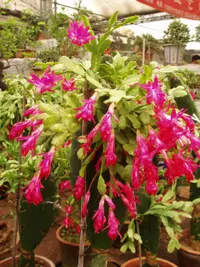
Schlumbergera truncata, commonly called Thanksgiving cactus, is a tropical forest cactus that grows as a compact, segmented succulent rather than a spiny desert plant. Its leaf-like stem segments arch or cascade, making it suitable for hanging baskets or raised containers indoors.
In its native habitat in southeastern Brazil, it grows as an epiphyte on trees or rocks, anchored in leaf litter and moss. This origin explains its preference for bright, indirect light, moderate moisture, and well-draining, airy soil mixes.
It is generally considered an easy, long-lived houseplant, especially when its need for stable conditions and gentle handling of roots is respected. Learning how to care for Thanksgiving Cactus mainly involves understanding its seasonal growth and flowering cycles.

Care Difficulty
Moderate Care

Light Preference
Bright Indirect Light

Water Requirements
Moderate Water

Temperature Preference
Tropical / Frost Sensitive

Hardiness Zone
10–12

Soil Texture
Loamy, Peaty, Organic-rich

Soil pH
Acidic (5.5–6.5), Slightly acidic (6.5–7.0)

Soil Drainage
Moist but well-drained

Fertilization
Light (every 4–6 weeks)
Scan your plant to receive care tips personalized for your specific plant
Available on iOS and Android
This forest cactus prefers bright, indirect light that mimics dappled woodland shade.
This species prefers evenly moist but not saturated soil and is less drought-tolerant than desert cacti.
This cactus grows best in moderate, stable temperatures without sudden extremes.
This epiphytic cactus prefers moderate humidity and reacts quickly to very dry air.
This species needs a fast-draining, airy mix that mimics loose forest or cliffside habitats.
This species adapts very well to container growing when pot choice supports its shallow, fibrous roots.
Schlumbergera truncata benefits from light, consistent feeding during active growth for strong stems and reliable flowering.
Pruning Schlumbergera truncata is useful for maintaining shape and encouraging bushier growth and heavier blooming.
Repotting helps maintain root health and stable flowering, but this cactus prefers slightly tight quarters.
New plants are most commonly produced from stem cuttings, which root reliably under the right conditions.
This tropical cactus is not frost tolerant and needs controlled indoor conditions in winter.

Plant Health Check
Not sure what's wrong with your plant? Check your plant's health inside the app.
In the wild, this species grows as an epiphyte or lithophyte on steep coastal rock faces and tree branches in southeastern Brazil, anchoring into moss and leaf litter rather than typical soil.
What look like leaves are actually flattened stem segments called cladodes, which carry out photosynthesis and store water, an adaptation to its periodically dry, exposed habitats.
The flowers open most fully during the evening and night and often close somewhat by day, reflecting adaptation to pollination by nocturnal or crepuscular insects in its native range.

Unlike many houseplants, this species is a true short-day plant that only sets flower buds when nights remain consistently long and uninterrupted by artificial light, which is why careful light management is central to successful Schlumbergera truncata plant care.
Lack of buds usually comes from too much light at night, warm temperatures, or no short rest period. Provide several weeks of cooler conditions and long, uninterrupted dark nights to trigger flower formation.
Keep your plants happy and healthy with plant identification, disease detection, and easy care guidance.

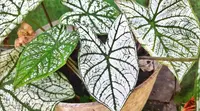
Fancy-leaf Caladium
Caladium 'White Christmas'
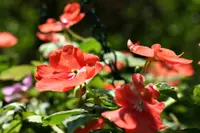
Busy lizzie
Impatiens walleriana
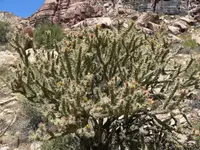
buck-horn cholla
Cylindropuntia acanthocarpa
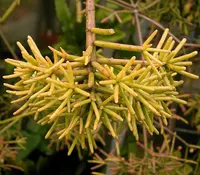
Rhipsalis teres
Rhipsalis teres
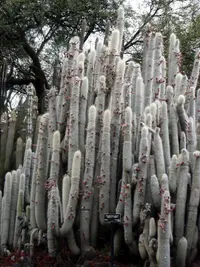
Silver torch cactus
Cleistocactus strausii
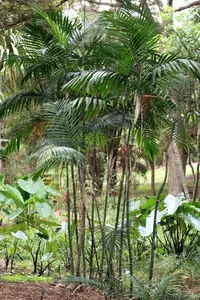
pacaya
Chamaedorea costaricana
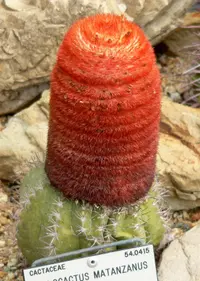
Dwarf turk's cap cactus
Melocactus matanzanus
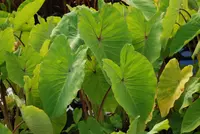
Elephant Ear
Colocasia esculenta 'Elena'