Rotate For Symmetry
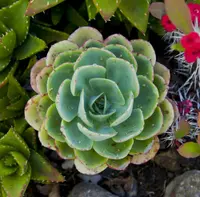
Rotate the pot 90° every 1–2 weeks so all sides receive similar light, which keeps the rosette compact and evenly colored instead of leaning to one side.

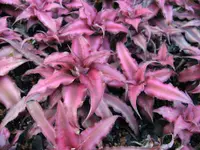
Earth star is a small, terrestrial bromeliad known for its flat, star-shaped rosettes and bold leaf striping. It grows close to the ground rather than forming a tall stem. Cryptanthus bivittatus is native to Brazil, where it inhabits warm, humid forest floors with dappled light. In homes it is often grown in shallow pots as a compact foliage accent. This plant stays relatively small, which makes it suitable for desks, shelves, and mixed plant displays. Its main needs are stable warmth, bright but indirect light, and evenly moist, fast-draining soil, so those who understand how to care for Earth star usually find it manageable.

Care Difficulty
Moderate Care

Light Preference
Bright Indirect Light

Water Requirements
Keep Soil Moist

Temperature Preference
Tropical / Frost Sensitive

Hardiness Zone
11–12

Soil Texture
Sandy, Loamy, Organic-rich

Soil pH
Strongly acidic (4.5–5.5)

Soil Drainage
Moist but well-drained

Fertilization
Light (every 4–6 weeks)
Scan your plant to receive care tips personalized for your specific plant
Available on iOS and Android
Cryptanthus bivittatus prefers bright, filtered light to maintain compact growth and strong color.
This bromeliad prefers lightly moist but never soggy conditions around its roots.
This species thrives in consistently warm, frost-free conditions.
This species prefers moderate to high humidity and reacts noticeably to very dry air.
Use a loose, fast-draining, organic-rich mix that still holds some moisture around the roots.
This compact bromeliad is very suitable for container growing.
Cryptanthus bivittatus is a low-demand feeder but benefits from light, consistent nutrition in active growth.
Cryptanthus bivittatus needs only light pruning to keep rosettes tidy and healthy.
This compact bromeliad prefers slightly snug containers and does not need frequent repotting.
New plants are most reliably produced from offsets, called pups, that form around the mother rosette.
This tropical species is frost-sensitive and needs indoor conditions in cold climates.

Plant Health Check
Not sure what's wrong with your plant? Check your plant's health inside the app.
This species develops its strongest pink and red striping under relatively bright, indirect light, while the leaves turn more greenish and subdued in low light conditions due to changes in pigment balance between chlorophyll and anthocyanins.
It has a very small, shallow root system and relies mainly on its rosette leaves to capture water and nutrients from surface debris, an adaptation to thin, nutrient-poor substrates on the forest floor in its native Brazil.
Unlike many bromeliads that grow as epiphytes on trees, this plant is primarily terrestrial, naturally carpeting the soil beneath tropical forest canopies rather than living high in the branches.

When grown in suitable conditions, this species can slowly form dense, star-shaped colonies through offsets, creating a living mosaic of patterned rosettes that has made it a model plant in horticulture for studying compact, clumping bromeliad growth forms.
Brown leaf tips or edges usually come from low humidity, underwatering, or a build-up of salts from fertilizer or hard water. Flush the pot thoroughly, trim damaged areas, and maintain moderate, consistent moisture and humidity.
Keep your plants happy and healthy with plant identification, disease detection, and easy care guidance.