


Acclimate Slowly
Avoid moving the plant between rooms, windows, or outdoor and indoor spaces, because rapid changes often trigger leaf drop.
Shift it gradually over several days.

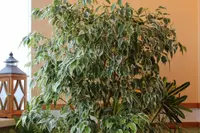
This is a tropical evergreen tree often grown indoors as a graceful houseplant. It has slender, arching branches with small, glossy green leaves that create an elegant shape.
The main difficulty when you care for the weeping fig is its sensitivity to sudden changes. In nature, it grows across parts of South and Southeast Asia and northern Australia in a stable climate, where it can become a large landscape tree. Indoors, it usually stays more compact.
This plant will make a stylish statement in any place in the house. It can live up to 50 years and requires easy-to-moderate care.

Care Difficulty
Moderate Care

Light Preference
Bright Indirect Light

Water Requirements
Moderate Water

Temperature Preference
Tropical / Frost Sensitive

Hardiness Zone
10–12

Soil Texture
Loamy, Sandy, Organic-rich

Soil pH
Slightly acidic (6.5–7.0), Neutral (7.0)

Soil Drainage
Moist but well-drained

Fertilization
Light (every 4–6 weeks)
Scan your plant to receive care tips personalized for your specific plant
Available on iOS and Android
When choosing a place for a pot, note that in its native habitat, this plant grows in semi-shady conditions, but indoors it needs good light. Provide your Ficus benjamina with about 4-6 hours of light daily, such as near an east-facing window or behind a sheer curtain. At the same time, protect it from harsh afternoon sun, which may scorch leaves, especially after winter or indoor growing.
Watering can be a bit tricky: this species prefers moderate watering with brief drying. Keep the soil moist, but do not allow it to sit in water all the time. Yellowing leaves, soggy soil, or leaf drop often signal overwatering. Crisp leaf edges may indicate drought stress. To achieve the water-dry balance, water your houseplant about once a week in warm, bright conditions.
Ficus benjamina is very sensitive to sudden changes and cold weather, so consider placing a thermostat to regulate the temperature in your home.
Humidity helps prevent leaf drop and dry edges, so try to keep 40-60% humidity during active growth. Also, dry air causes brown tips or increased shedding. If indoor air is too dry, use a pebble tray or humidifier to create optimal conditions for the plant.
For the weeping fig, you can use any good, fast-draining potting soil. These plants do not need soil that is especially high in nutrients or organic matter.
Container growing suits Ficus benjamina well when root moisture is controlled. To provide this control, use a pot about 2-4 inches (5-10 cm) wider than the root ball, with drainage holes and quick runoff removal.
Tip: Choose a deep, stable container because older plants can become top-heavy, and avoid oversized pots that hold excess moisture around the roots.
Use slow-release fertilizer pellets as new growth begins. Then, support growth with monthly feeding through spring and summer and a lighter schedule of about every two months during fall and winter. Use a liquid fertilizer or slow-release houseplant fertilizer with moderate nitrogen.
Tip: If the plant continues to shed leaves even when light, temperature, humidity, and feeding are well balanced, consider adding a small amount of magnesium and manganese to address possible micronutrient deficiencies.
This plant benefits from light pruning in early spring to control size and shape. Trim your indoor ficus regularly to control its size, preserve its shape, and keep it from growing up to the ceiling.
Note: If your ficus tree becomes too large or starts growing sparse and stretched, cut it back confidently. Fresh new leaves usually emerge soon after pruning.
Repot a houseplant in early spring, either to settle a new plant into a permanent container or to refresh the growing space for an established one. Repotting is usually more relevant than transplanting because this species is commonly grown in containers.
The most popular propagation method is stem cuttings taken during active growth.
Tip: Place the container where it receives strong filtered light, keep the temperature above 65°F (18°C), mist the cutting every day, and water whenever the surface of the mix begins to dry.
Winter requires protection because Ficus benjamina is sensitive to cold and indoor changes. If you grow it on the balcony or terrace, move outdoor containers inside before nights drop below 55°F (13°C). Avoid cold drafts from doors, vents, or unheated rooms.

Plant Health Check
Not sure what's wrong with your plant? Check your plant's health inside the app.
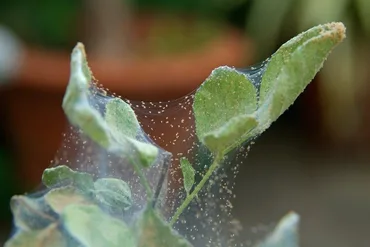
This pest is common in dry indoor air and may cause fine webbing, pale speckling, and dull-looking leaves.
Leaves may drop if the infestation becomes severe.
Solution
Rinse the foliage, especially the undersides of leaves, and increase air moisture around the plant if conditions are very dry.
Use insecticidal soap or horticultural oil for persistent mites. Apply it carefully to all affected surfaces.
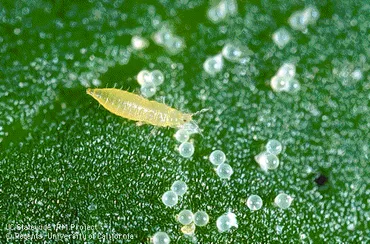
These slender insects scrape leaf surfaces, leaving silvery streaks, pale patches, black specks, or distorted new growth.
On the weeping fig, damage is often easier to notice on young leaves and tender shoots.
Solution
Rinse the foliage and remove damaged leaves if they are no longer healthy.
Use insecticidal soap or horticultural oil, paying close attention to new growth and leaf undersides.
Repeat treatment weekly until no new damage appears.
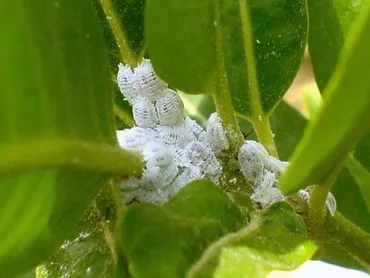
The insects appear as white balls on stems, leaf joints, and undersides of leaves.
They feed on plant sap and can cause sticky leaves, weak growth, and gradual leaf yellowing.
Solution
Remove small colonies with a cotton swab dipped in rubbing alcohol. Isolate the plant from nearby houseplants.
Repeat checks weekly because hidden eggs and young insects can return after the first cleaning.
In nature, this species is pollinated by a specific fig wasp, Eupristina koningsbergeri.
This close relationship is part of the complex fig–wasp pollination system found in many wild figs.
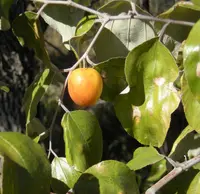
Its small fig-like fruits are not usually important for indoor growers, but outdoors, they can provide food for birds and other animals in suitable tropical and subtropical regions.
Research has shown that this species can help reduce gaseous formaldehyde in indoor air, and it may contribute to the removal of certain heavy metals in urban environments.

In warm climates, mature trees can form aerial roots that descend from branches and help support the plant as it grows larger.
Indoor plants rarely produce fruit because flowering and fig formation usually require mature outdoor growth and the pollinating wasp, which is not present in most homes.
Keep your plants happy and healthy with plant identification, disease detection, and easy care guidance.

Pleurothallis palliolata
Pleurothallis palliolata

Gold Dust Dracaena
Dracaena surculosa 'Florida Beauty'
 POPULAR
Caladium lindenii
Caladium lindenii

Pacific madrone
Arbutus menziesii

Ctenanthe setosa 'Grey Star'
Ctenanthe setosa 'Grey Star'
Chinese elder
Sambucus javanica
cuachilote
Parmentiera aculeata
Chinese Apple
Ziziphus mauritiana