Yerba Linda Care (Peperomia rotundifolia)

Also known as: jade necklace

About Yerba Linda

Yerba Linda, botanically known as Peperomia rotundifolia, is a compact trailing houseplant from tropical forests of Central and South America. It naturally grows as a creeping epiphyte on tree trunks and rocks.

The plant has many thin, hanging stems densely covered with small, round, soft green leaves, giving it a delicate, cascading look. Its slow growth and modest size make it suitable for shelves, hanging pots, and small spaces.

This species is generally considered easy to grow, as it adapts well to stable indoor conditions and moderate care. To care for Yerba Linda, provide bright, indirect light, lightly moist but not soggy soil, and good air circulation.

Main Plant Requirements

Care Difficulty

Easy Care

Light Preference

Bright Indirect Light

Water Requirements

Moderate Water

Temperature Preference

Tropical / Frost Sensitive

Hardiness Zone

11–12

Soil Texture

Loamy, Peaty, Organic-rich

Soil pH

Acidic (5.5–6.5), Slightly acidic (6.5–7.0)

Soil Drainage

Well-drained

Fertilization

Light (every 4–6 weeks)

Get Personalized Care Plan

Scan your plant to receive care tips personalized for your specific plant

Personalized Care in the App

Available on iOS and Android

How to Care for the Yerba Linda

Peperomia rotundifolia prefers soft, indirect light that mimics dappled forest shade.

  • Provide 8–12 hours of bright, filtered light daily, such as near an east or north window or under sheer curtains.
  • Tolerates partial shade but may stretch and lose dense foliage if light stays low for weeks, especially in winter when caring for Yerba Linda.
  • Avoid harsh midday or strong afternoon sun, which can scorch leaves; move 0.5–1 m back from intense windows or use sheer blinds.

This plant stores some moisture in its leaves, so watering must be light and controlled.

  • Water only when the top 2–3 cm of soil feel dry, using enough to moisten the root zone, then let excess drain away fully.
  • In spring and summer, drying may happen faster; in cooler months, expect longer intervals and always check the soil before watering Peperomia rotundifolia.
  • Watch for overwatering signs such as yellow, mushy leaves or sour-smelling soil, and underwatering signs like limp, curling foliage and very light pots.

Stable, warm conditions support compact growth and reduce stress for this trailing species.

  • Aim for 65–80°F (18–27°C) for steady growth, avoiding sudden shifts of more than 10°F (6°C) in a day.
  • Protect from cold below 55°F (13°C); brief dips to 50°F (10°C) may be tolerated but can slow growth and cause leaf drop.
  • In hot periods above 85°F (29°C), increase airflow and shade from intense sun; never expose to frost or near-freezing drafts.

This trailing peperomia prefers moderate indoor humidity but copes with typical home air.

  • Aim for 40–60% humidity to keep leaves plump and growth steady when caring for Yerba Linda.
  • Tolerates drier air, but prolonged levels below 30% can cause leaf edge browning or tip crisping.
  • Increase humidity with a nearby pebble tray or grouping plants; avoid misting directly onto foliage for long periods.

Peperomia rotundifolia prefers a light, airy mix that drains quickly yet holds some moisture.

  • Use a loose, organic-rich base such as all-purpose potting mix lightened with 30–40% perlite or pumice.
  • Aim for slightly acidic to neutral pH around 6.0–7.0, which supports nutrient availability without leaf burn risk.
  • Incorporate fine bark or coco coir to improve structure, water retention, and root aeration without creating a heavy, compact mass.
  • Avoid dense garden soil, high-clay mixes, or containers that stay soggy, as these promote root rot and stem collapse.

This species is well suited to containers and hanging pots due to its trailing, shallow-rooted habit.

  • Choose a wide, shallow pot so roots can spread laterally while long stems can drape over the rim.
  • Select a container material that matches your watering style, such as terracotta for faster drying or plastic to retain moisture longer.
  • Ensure drainage holes allow rapid outflow, then elevate the pot slightly so runoff does not reabsorb into the root zone.

This compact trailing plant benefits from light, consistent feeding during its active season.

  • Use a balanced liquid fertilizer (for example 10-10-10 or 20-20-20) diluted to 1/4–1/2 strength for Peperomia rotundifolia care.
  • Feed every 4–6 weeks in spring and summer, on moist soil, to avoid root burn.
  • Stop or reduce feeding to 1 light application in fall; do not fertilize in midwinter.
  • Slow-release granules at low dose or a thin layer of fine compost can replace frequent liquid feeds.

Light pruning keeps this trailing species compact and encourages branching.

  • In late winter or early spring, inspect Peperomia rotundifolia for dead, damaged, or yellowing stems and remove them first.
  • Trim back leggy or overly long vines to a node to encourage fuller side shoots.
  • Pinch soft tips with clean fingers or use sharp, disinfected scissors for thicker stems.
  • Remove crowded interior growth to improve airflow and reduce the risk of rot in dense hanging baskets.

This plant prefers slightly snug containers and only occasional repotting.

  • Plan to repot every 2–3 years in spring when growth resumes, or when roots circle the pot and drainage slows.
  • Choose a shallow container 2–3 cm wider, with good drainage, and a loose, airy mix designed for succulents or houseplants.
  • Lift the root ball gently, loosen circling roots lightly with fingers, and trim only rotten or mushy sections.
  • Set the plant at the same depth, backfill, water lightly, then keep in bright, indirect light and low to moderate moisture for 1–2 weeks to reduce stress.

New plants are most commonly produced from short stem cuttings.

  • Take 5–8 cm non-flowering stem cuttings in spring or early summer, each with several leaves and nodes.
  • Remove lower leaves and place cuttings on moist, airy mix, pressing 1–2 nodes into the surface.
  • Maintain high humidity (a vented plastic cover) and bright, indirect light at 70–80°F for steady rooting.
  • After 3–5 weeks, once roots form and new growth appears, pot individual cuttings into small, well-drained containers.

This tropical species is frost-sensitive and must be kept above freezing in winter.

  • Move containers indoors before temperatures drop below 55°F, ideally keeping Yerba Linda at 60–75°F.
  • Place in bright, indirect light away from cold drafts, heaters, and very dry air vents.
  • Reduce watering so the top 2–3 cm of mix dries between waterings, and stop fertilizing until spring.
  • Avoid sudden temperature swings by acclimating plants gradually when moving between outdoor and indoor conditions.

Care Tips

Encourage trailing form

Position the pot on a shelf or in a hanging planter so stems can trail freely, which reduces crowding at the soil surface and lowers the risk of stem rot where nodes rest on damp mix.


Rotate for even density

Turn the pot 90° every 1–2 weeks so light reaches all sides, which keeps the mat of foliage even and prevents long, bare sections developing on the shaded side.

Use gentle cleaning

Periodically wipe or rinse the small leaves with lukewarm water and let them dry quickly, which improves light capture and makes it easier to spot early signs of spider mites or mealybugs when growing Yerba Linda.

Pinch to thicken

Lightly pinch or trim back the tips of overly long, sparse stems and replant the cuttings back into the same pot to create a denser, fuller canopy over time.

Secure delicate stems

If stems tangle or catch when the pot is moved, loosely gather them with a soft plant tie or lay them over the rim of the pot in one direction to prevent breakage at the fragile nodes.

Common Pests and Diseases

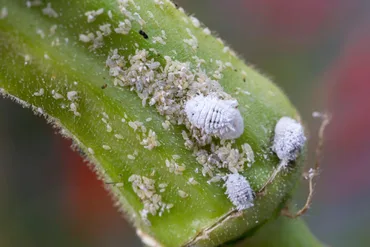
Mealybugs

This pest appears as small white cottony clusters in leaf joints and along the trailing stems, often causing stunted growth and sticky residue on leaves.

Solution

Isolate the plant, then dab visible insects with cotton swabs dipped in 70% isopropyl alcohol and gently wipe stems and leaf joints; repeat weekly and use a gentle insecticidal soap spray on all foliage, ensuring good air movement and avoiding overfertilizing, which can encourage outbreaks.

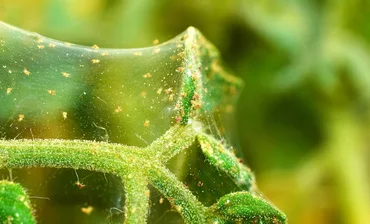
Spider mites

These insects are tiny and often unnoticed until fine webbing, dull foliage, and small pale speckles appear on the round leaves, especially in dry indoor air.

Solution

Rinse the plant thoroughly under a lukewarm shower to remove mites, increase ambient humidity to 40–60%, and apply insecticidal soap or a neem oil spray (properly diluted) to both upper and lower leaf surfaces, repeating every 5–7 days until new growth appears clean.

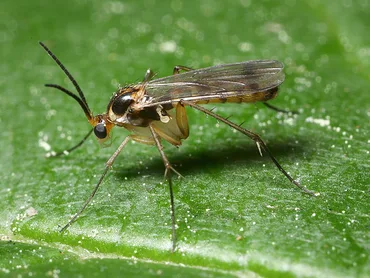
Fungus gnats

This pest is associated with tiny black flies hovering around the pot and slender larvae in the top layer of soil, often linked to chronically damp potting mix.

Solution

Allow the top 2–3 cm of the mix to dry between waterings, use yellow sticky traps to catch adults, and, if needed, drench the soil with a biological control product containing Bacillus thuringiensis israelensis (Bti) to reduce larvae while also improving drainage as part of Peperomia rotundifolia plant care.

Edema

Symptoms include small corky or blister-like spots on leaves when roots take up more water than the foliage can transpire, typically after inconsistent watering or sudden shifts in moisture.

Solution

Let the soil dry slightly deeper between waterings, avoid sudden soaking after long dry periods, and keep the plant in stable, bright but indirect light; affected leaves will not recover, but new growth should appear normal once watering and moisture levels are stabilized.

Stem and leaf rot

This disease causes soft, water-soaked, collapsing sections on thin trailing stems and leaves, usually starting at the soil line or crowded inner areas with poor air circulation.

Solution

Promptly cut away all mushy tissue with sterile scissors, improve drainage, reduce watering frequency, and increase airflow around the plant; in severe cases repot into fresh, well-draining mix in a slightly snug pot and keep watering light until new, firm growth is established.

Interesting Facts

Mat-forming epiphyte

In nature, this species often grows as a mat-forming epiphyte on tree branches and decaying wood in tropical forests, rather than rooting deep in soil. Its fine roots are adapted to thin organic layers and high moisture around the substrate surface.

Peltate leaf anatomy

Its tiny round leaves are technically peltate, meaning the petiole attaches to the lower surface of the blade rather than the edge. This attachment and slightly succulent tissue help the leaves resist brief drying between rain or mist events.

Shallow, fibrous roots

The plant develops a very shallow, fibrous root system that spreads near the substrate surface. This is an adaptation to life on bark and moss, where nutrients are concentrated in the uppermost organic layer.

FAQs about Yerba Linda

Yellowing leaves usually come from excess water, compacted or poorly drained soil, or staying wet and cold for too long. Check drainage holes, let the top layer of mix dry more, and remove soggy, damaged foliage.

Grow Healthy Plants with Botan Care

Keep your plants happy and healthy with plant identification, disease detection, and easy care guidance.

Botan plant care app — identify plants on mobile

Explore More Plants