Hammerleaf Frangipani Care (Plumeria pudica)

About Hammerleaf Frangipani

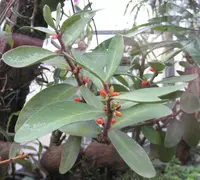
Hammerleaf frangipani (Plumeria pudica) is a compact, evergreen shrub or small tree known for its narrow, spoon-shaped leaves and showy white flowers with yellow centers. It tends to form a dense, upright crown, which makes it suitable for hedges, containers, and small gardens in warm climates.

This species is native to tropical regions of Central and northern South America, where it grows in sunny, well-drained locations. It is considered relatively easy to grow because it tolerates heat, short dry spells, and pruning well. Gardeners who learn how to care for Hammerleaf Frangipani often appreciate its long blooming season and minimal maintenance needs.

It generally prefers bright light, warm temperatures, and free-draining soil that does not stay waterlogged.

Main Plant Requirements

Care Difficulty

Moderate Care

Light Preference

Full Sun

Water Requirements

Moderate Water

Temperature Preference

Tropical / Frost Sensitive

Hardiness Zone

10–12

Soil Texture

Sandy, Loamy, Organic-rich

Soil pH

Acidic (5.5–6.5), Slightly acidic (6.5–7.0)

Soil Drainage

Well-drained

Fertilization

Light (every 4–6 weeks)

Get Personalized Care Plan

Scan your plant to receive care tips personalized for your specific plant

Personalized Care in the App

Available on iOS and Android

How to Care for the Hammerleaf Frangipani

Plumeria pudica thrives in strong light to produce abundant leaves and flowers.

  • Provide 6–8 hours of direct sun daily, ideally with gentle morning sun and some protection from harsh late-afternoon summer sun in very hot climates.
  • Tolerates light partial shade, but flowering on Hammerleaf Frangipani declines if it receives under 4–5 hours of direct sunlight per day.
  • In cooler seasons, choose the brightest, most open spot available and avoid dense shade from buildings or trees that block midday and afternoon light.

Watering should balance thorough soaking with allowing the soil to dry slightly between waterings.

  • Before watering, let the top 3–5 cm of soil dry; check by feeling the soil rather than following a fixed schedule.
  • Use sharply draining soil so water runs freely from the root zone, reducing the risk of rot in Plumeria pudica during wet periods.
  • In warm active growth, water deeply when the soil dries; in cooler months, reduce frequency, watching for puckered, limp leaves as a sign of underwatering and yellow, mushy leaves as a sign of overwatering.

This species prefers warm, stable temperatures and is sensitive to cold and frost.

  • Optimal growth occurs around 70–90°F (21–32°C), where the plant maintains steady leaf production and flowering.
  • Avoid temperatures below 50°F (10°C); brief drops to 40–45°F (4–7°C) may be tolerated, but frost can damage or kill stems and tips.
  • In hot spells above 95°F (35°C), provide soil moisture and some late-afternoon shade to limit heat stress, while in cooler seasons protect from cold winds and radiated night chill.

This species prefers moderately humid air but usually adapts to typical indoor levels.

  • Aim for 40–60% humidity; it tolerates brief dips lower but prolonged very dry air can stress Hammerleaf Frangipani.
  • Watch for crisp leaf edges, stalled growth, or buds dropping as signs of low humidity stress.
  • Increase humidity with a nearby open tray of water and stones, grouped plants, or a short daily misting in very dry rooms.

Plumeria pudica prefers a sharply draining, slightly gritty substrate that dries quickly after watering.

  • Use a mix of roughly 50% coarse materials (perlite, pumice, or coarse sand) and 50% peat-free potting mix to balance drainage and moisture retention.
  • Ensure the mix feels loose and crumbly, not sticky; this supports aeration around the roots and limits the risk of root rot.
  • Target a slightly acidic to neutral pH around 6.0–7.0, avoiding very alkaline or strongly acidic substrates that can reduce nutrient availability.
  • Avoid heavy clay-based mixes, unamended garden soil, or any medium that stays wet for more than 2–3 days after watering.

This species is well suited to container growing when the pot supports its fast, woody root system.

  • Choose a deep container that allows a strong taproot and lateral roots to extend without circling tightly near the base.
  • Use a heavier or wider-bottomed pot to prevent tipping as the plant becomes top-heavy with branching and flowers.
  • Prioritize pots with large, unobstructed drainage holes to allow rapid water escape and prevent water from pooling at the root zone.

Plumeria pudica benefits from moderate feeding during its active growing season for strong growth and flowering.

  • Use a balanced, slow-release fertilizer or a liquid feed around 10-10-10 NPK formulated for flowering shrubs.
  • Apply every 4–6 weeks in spring and summer, following label rates at about 1/2 strength for container plants.
  • Reduce or stop feeding in fall and winter when growth slows or the plant is dormant.
  • Supplement with light compost as a soil top-dress outdoors when caring for Hammerleaf Frangipani.

Plumeria pudica responds well to light, planned pruning that controls size and encourages branching.

  • Carry out main pruning in late winter or very early spring before vigorous new growth starts.
  • Remove dead, diseased, crossing, or inward-growing branches to improve air flow and light penetration.
  • Shorten overly long stems to shape the canopy and promote more flowering tips.
  • Use sharp, clean bypass pruners and make cuts just above a leaf node or side branch.

Plumeria pudica grown in containers or young landscape specimens benefits from thoughtful repotting or transplanting.

  • Look for roots circling the pot, pushing through drainage holes, or unexplained slow growth as cues to move up a size.
  • Plan repotting or transplanting for late spring to early summer, once nights are consistently warm.
  • Repot every 2–3 years into a slightly larger container with fast-draining, gritty soil to protect roots from rot.
  • Water thoroughly after moving, then keep soil just lightly moist, shading the plant for a few days to reduce transplant stress.

Plumeria pudica is commonly propagated from stem cuttings under warm, bright conditions.

  • Take semi-hardwood cuttings in late spring or summer, choosing healthy, pencil-thick stems.
  • Allow cut ends to dry and callus for several days before planting to lower rot risk.
  • Insert cuttings into a very well-drained mix, such as coarse sand and perlite, kept just barely moist.
  • Provide warmth around 70–80°F and bright, indirect light until roots form, then gradually increase watering.

Plumeria pudica is frost-sensitive and needs protection in climates with cold winters.

  • In regions below about 30–32°F, grow in containers so plants can be moved indoors or to a heated greenhouse.
  • Keep indoor plants cool but above freezing, with bright light and much drier soil in winter.
  • For in-ground plants in marginal climates, mulch the root zone 5–8 cm deep with bark or leaves.
  • Avoid overhead watering on cold nights to reduce stem damage and fungal issues.

Care Tips

Branching encouragement

Pinch or lightly tip-prune the longest, leafiest stems in late spring to encourage more branching and a denser flowering canopy, rather than letting the plant become tall and sparsely branched.

Wind-smart placement

Site the plant where it is protected from strong, persistent winds or provide a low, sturdy stake, since its long, somewhat brittle branches can snap when heavily loaded with leaves and flowers.

Container root management

If grown in a pot, root-prune the outer 2–3 cm of the rootball every 2–3 years when repotting into fresh mix to keep the plant vigorous and prevent it from becoming overly root-bound and stressed.

Dry-season bloom boost

In regions with a defined dry season, slightly extend the interval between waterings and avoid unnecessary pruning at that time, as mild water stress can support stronger flowering cycles in established plants.

Preventing latex irritation

When taking cuttings or pruning, wear gloves and avoid touching eyes or mouth, because the white latex sap can irritate skin and mucous membranes; rinse tools in soapy water afterward to keep them clean and safe for future caring for Hammerleaf Frangipani.

Common Pests and Diseases

Plumeria rust

This disease causes yellow speckling on upper leaf surfaces and orange powdery pustules on the undersides, leading to early leaf drop. Symptoms include rapid defoliation in warm, humid conditions.

Solution

Remove and discard heavily infected leaves, including fallen ones, to reduce spores. Improve air circulation, avoid overhead watering, and apply a sulfur or chlorothalonil-based fungicide labeled for ornamental rusts if the problem persists.

Plumeria stem borer

This pest tunnels inside young branches, causing localized swelling, frass (sawdust-like material), and sudden wilting or dieback of affected tips. This pest is more frequent in warm outdoor plantings and can quickly damage structural branches.

Solution

Prune and destroy infested stems back to clean, solid tissue, disinfecting tools between cuts. Maintain plant vigor, seal larger pruning wounds if borers are common in your area, and use targeted systemic insecticides only when clear evidence of active boring is present.

Spiral whitefly

These insects feed on leaf sap, producing white waxy spirals, honeydew, and sooty mold on the foliage. Symptoms include yellowing leaves, sticky surfaces, and reduced vigor, especially in sheltered outdoor or patio sites.

Solution

Rinse leaves thoroughly with a strong but gentle stream of water, focusing on undersides, and remove heavily infested leaves. Encourage or release natural predators like lady beetles, and apply horticultural oil or insecticidal soap every 7–10 days until new growth appears clean, following label directions for Plumeria pudica plant care.

Aphids

These insects cluster on soft new growth, sucking sap and causing leaf curling, distortion, and sticky honeydew that can attract ants. Symptoms include stunted new leaves and deformed flower buds.

Solution

Wash colonies off with water, pinching or pruning heavily affected shoot tips. If needed, treat with insecticidal soap or neem oil, reapplying at intervals until new growth develops without visible aphids.

Black tip fungus

This disease affects young shoot tips, causing blackened, shriveled ends and aborted flower clusters, often after cool, wet conditions. Symptoms include dieback of the newest growth while older stems look normal.

Solution

Prune out affected tips several inches below the damage and discard them, then allow the cut surfaces to dry in good airflow. Avoid prolonged leaf and stem wetness, improve light and ventilation, and in repeatedly affected climates consider a preventative fungicide spray at the start of the cool, wet season.

Interesting Facts

Distinct hammer-shaped leaves

This species has narrow, spoon- to hammer-shaped leaves with a swollen tip, which makes it easy to distinguish from other frangipani species that usually have broader, more elliptical foliage.

Naturally evergreen habit

Unlike many other plumerias that drop their leaves in a cool or dry season, this species often remains evergreen in warm climates, maintaining foliage and floral display for a longer period each year.

Non-fragrant white flowers

The flowers are bright white with a small yellow center and are typically little to not fragrant, which contrasts with the strong perfume commonly associated with many other frangipani species.

Botan icon

Did you know?

This species is frequently used as a living hedge or privacy screen in tropical and subtropical landscapes because its upright, branching habit and dense foliage form a compact, easily shaped barrier that flowers over an extended season.

FAQs about Hammerleaf Frangipani

This species performs best outdoors in warm climates, where it receives strong light, heat, and air movement. Indoors it can survive but often flowers less and grows more slowly, so Hammerleaf Frangipani indoor care is more demanding.

Grow Healthy Plants with Botan Care

Keep your plants happy and healthy with plant identification, disease detection, and easy care guidance.

Botan plant care app — identify plants on mobile

Explore More Plants