Queensland bottle tree Care (Brachychiton rupestris)

Also known as: narrow-leaved bottle tree, narrowleaf bottle tree

About Queensland bottle tree

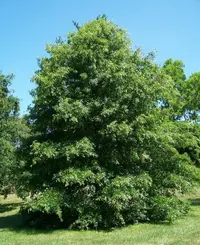
The Queensland bottle tree, Brachychiton rupestris, is a drought-tolerant deciduous tree known for its distinctive swollen, bottle-shaped trunk that stores water. In youth it is slow-growing and upright, later forming a rounded canopy with narrow, glossy leaves and occasional bell-shaped flowers.

This species is native to semi-arid inland Queensland in Australia, where it grows in open woodlands on well-drained soils. Its high tolerance to drought and poor soils makes it relatively forgiving once established, but it dislikes prolonged waterlogging and heavy frost.

In cultivation, it suits bright, sunny positions with free-draining soil and moderate watering. Understanding how to care for Queensland bottle tree mainly involves avoiding overwatering and providing enough light and warmth.

Main Plant Requirements

Care Difficulty

Easy Care

Light Preference

Full Sun

Water Requirements

Low Water

Temperature Preference

Warm Climate

Hardiness Zone

9–11

Soil Texture

Sandy, Loamy, Rocky

Soil pH

Slightly acidic (6.5–7.0), Slightly alkaline (7.0–7.5)

Soil Drainage

Well-drained

Fertilization

Minimal (feed rarely)

Get Personalized Care Plan

Scan your plant to receive care tips personalized for your specific plant

Personalized Care in the App

Available on iOS and Android

How to Care for the Queensland bottle tree

This species prefers bright, direct sun but tolerates some light shade once established.

  • Aim for 6–8 hours of direct sun daily; full sun promotes a compact trunk and dense canopy in Queensland bottle tree.
  • Allow light afternoon shade in very hot regions to reduce leaf scorch, especially on young trees under 5 years old.
  • In cooler seasons, ensure the site stays unshaded by buildings or trees, as low winter sun and short days already reduce light intensity.

This drought-tolerant tree prefers infrequent, deep watering over light, frequent applications.

  • Water only when the top 5–8 cm of soil are completely dry, then soak the root zone thoroughly and allow excess to drain away.
  • Reduce watering sharply in fall and winter; the caudex (swollen trunk) stores moisture, so slightly wrinkling bark usually indicates mild drought stress.
  • Ensure fast-draining soil or a sloped site; yellowing leaves, soft roots, or sour soil smell point to overwatering, while crisp leaf edges suggest underwatering.

This tree thrives in warm to hot climates and is adapted to significant temperature swings.

  • Ideal growing temperatures are 70–90°F (21–32°C), though established trees tolerate brief peaks to 100–105°F (38–41°C) if soil is not waterlogged.
  • Protect young plants from frost; foliage damage often begins around 28–30°F (-2 to -1°C), while hard freezes below 25°F (-4°C) can kill top growth.
  • In regions with cool winters, site the tree in a warm microclimate, such as a south-facing spot, to maximize heat accumulation and extend the growing season.

This species tolerates a wide humidity range and rarely needs special humidity management indoors.

  • Aim for 30–50% relative humidity; typical indoor air in most homes is adequate year-round.
  • Dry air is usually tolerated, but prolonged very low humidity may cause minor leaf edge browning or premature leaf drop.
  • If air is extremely dry near heaters, move the Queensland bottle tree farther away or place a water tray nearby to slightly raise local humidity.

This dryland tree needs very fast-draining, mineral-rich soil to prevent root problems.

  • Use a sandy or gritty mix with coarse structure, such as 50–70% mineral materials (coarse sand, fine gravel, pumice, or perlite) plus 30–50% lean potting mix.
  • Ensure sharp drainage; water should pass through within seconds and not leave the soil waterlogged or sticky.
  • Aim for slightly acidic to neutral pH, roughly 6.0–7.5, which suits Brachychiton rupestris in most regions.
  • Avoid heavy clay, peat-heavy, or compacted mixes; add extra coarse sand or small gravel to improve aeration and prevent anaerobic (oxygen-poor) conditions.

This species can be grown in containers, especially as a slow-growing specimen or caudiciform accent.

  • Choose a deep, heavy pot that resists tipping as the swollen trunk and canopy become top-heavy over time.
  • Select a container material with moderate porosity, such as unglazed clay, to help the fast-draining mix dry between waterings without staying saturated.
  • Elevate the pot slightly on feet or blocks so drainage holes are never blocked and excess water escapes quickly after irrigation.

This drought-adapted species needs only light feeding when grown in containers or poor soil.

  • Use a balanced slow-release fertilizer (around 10-10-10) or a light top-dress of compost at the start of the warm growing season.
  • Apply once in spring and, if growth is weak, once again in midsummer for potted Queensland bottle tree.
  • Dilute liquid fertilizers to 1/2–1/4 strength to avoid forcing soft, weak growth.
  • Stop feeding in late summer so the plant can harden growth before cooler conditions.

Brachychiton rupestris needs minimal pruning, mainly to maintain structure and safety.

  • Carry out pruning in late winter or early spring before strong new growth starts.
  • Remove dead, damaged, crossing, or inward-growing branches to improve airflow and structure.
  • Limit cuts to smaller branches using clean, sharp bypass pruners or a pruning saw for thicker wood.
  • Avoid heavy canopy reduction; light shaping preserves the characteristic swollen trunk and natural form.

This tree is usually grown in the ground, with container plants repotted infrequently.

  • Check for roots circling the pot drainage holes, soil drying very fast, or stalled growth as signs it needs a larger container.
  • Plan repotting or outdoor transplanting for late spring or early summer once temperatures are consistently warm.
  • Move to a container only 1–2 sizes larger, using a free-draining mix, about every 3–5 years.
  • Water well before and after moving, disturb roots as little as possible, and shade from intense sun for 1–2 weeks to reduce stress.

Propagation of this species is most reliable from seed rather than vegetative methods.

  • Sow fresh seeds in late spring to early summer, when temperatures are consistently warm.
  • Scarify the hard seed coat lightly with sandpaper and soak seeds in lukewarm water for 12–24 hours to improve germination.
  • Use a well-drained seed mix, keep it just moist, and maintain warmth around 70–80°F with bright indirect light.
  • Cuttings root poorly and are not often used, so most Brachychiton rupestris plant care collections rely on seed-grown plants.

Mature plants are moderately cold tolerant but young or container-grown trees need some winter attention.

  • In regions with frost below about 25°F, young trees benefit from a 5–8 cm mulch layer around the root zone, kept away from the trunk.
  • Wrap small trunks and lower branches with breathable frost cloth during hard freezes to limit tissue damage.
  • Move container plants indoors to a cool, bright, frost-free spot or into an unheated greenhouse for the coldest months.

Care Tips

Root-space management

Use a deep, narrow container or root barrier in the ground to encourage a strong taproot while preventing overly spreading roots that can destabilize nearby paving or structures as the caudex enlarges.


Trunk expansion planning

Allow generous clearance around the swelling bottle-shaped trunk by avoiding hard edging, stakes, or tight ties within 30–60 cm of the stem to prevent girdling and bark damage as the plant matures.

Controlled drought cycling

Once established outdoors, periodically extend the dry interval between waterings during warm seasons to mimic native dry cycles, which helps harden tissues and improves long-term drought resilience when growing Queensland bottle tree.

Minimal training pruning

Select a single strong leader early and remove only crossing or steeply upright secondary branches, keeping cuts small and infrequent to develop a stable, wind-resistant canopy without stressing the tree.

Hygienic debris management

Regularly clear fallen leaves and seed pods from around the base to reduce hiding places for pests such as slugs and to prevent moisture accumulation against the trunk that can encourage fungal problems when caring for Queensland bottle tree.

Common Pests and Diseases

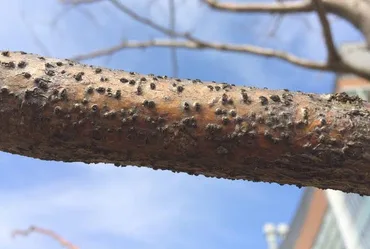
Botryosphaeria canker

This disease causes sunken, dark cankers on branches and stems, often following drought or mechanical damage. Symptoms include branch dieback, rough cracked bark, and sometimes oozing sap around affected areas.

Solution

Prune out affected branches back to healthy wood during dry weather, disinfecting tools between cuts, and remove all infected debris from the site. Reduce stress by watering deeply but infrequently in prolonged dry periods, avoid wounding the trunk, and improve general vigor to limit further infection.

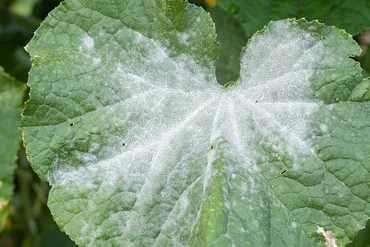
Powdery mildew

This disease produces white to gray powdery patches on leaves, especially in humid, shaded, or crowded conditions. Symptoms include distorted new growth, dull foliage, and premature leaf drop in severe cases.

Solution

Improve light and air movement around the canopy, avoid overhead watering, and remove heavily affected leaves to reduce spore load. For persistent issues, use a sulfur or potassium bicarbonate fungicide labeled for ornamental trees, applied according to label directions and only when temperatures are suitable to avoid leaf burn.

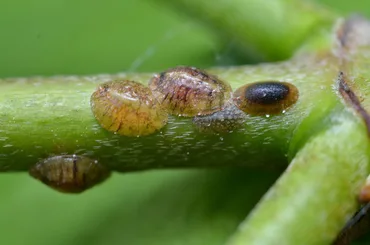
Scale insects

These insects appear as small, dome-shaped or flattened bumps on stems and leaf veins and feed on sap. Symptoms include sticky honeydew, sooty mold growth, and gradual yellowing or weakening of foliage.

Solution

Physically remove light infestations by gently scraping or wiping with a cloth dipped in diluted insecticidal soap or horticultural oil. For larger trees, apply horticultural oil thoroughly to branches and stems during mild weather, repeating as needed to target crawler stages, and encourage natural predators by avoiding broad-spectrum insecticides.

Corysambiid stem borer

This pest is a stem- or trunk-boring beetle reported on kurrajong and related Brachychiton species, including Queensland bottle tree, leaving entry holes and internal galleries. Symptoms include frass (sawdust-like material) at the base or on bark, localized dieback, and structural weakness in badly infested branches.

Solution

Prune and destroy infested branches where feasible and remove any heavily damaged, non-structural wood to interrupt the life cycle. Reduce plant stress through appropriate watering and mulching, promptly treat major wounds, and consult a local arborist about systemic insecticides if borer damage is extensive or threatens structural stability.

Interesting Facts

Natural bottle-shaped trunk

The swollen, bottle-like trunk of this tree is a water-storage organ that allows it to survive long dry periods in its native inland Queensland habitats.

Fire-adapted survivor

Its thick, insulating bark helps protect vital tissues from bushfire heat, allowing the tree to resprout after fire events in Australian dry forests and woodlands.

Patchy wild distribution

In nature it occurs in scattered, often isolated populations on rocky hills and ridges in central Queensland, rather than forming continuous forests, which reflects its adaptation to specific, harsh microhabitats.

Botan icon

Did you know?

Older specimens can develop strikingly massive trunks that can exceed several meters in diameter, making mature trees look almost like living water tanks in the landscape.

FAQs about Queensland bottle tree

Yes, this species can live in large containers, especially when young. Use a deep, heavy pot to support the swollen trunk, and allow plenty of root space. Container culture also helps control ultimate size in small gardens.

Grow Healthy Plants with Botan Care

Keep your plants happy and healthy with plant identification, disease detection, and easy care guidance.


Botan plant care app — identify plants on mobile

Explore More Plants