French lavender Care (Lavandula stoechas)

Also known as: topped lavender

About French lavender

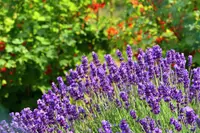
French lavender, Lavandula stoechas, is an evergreen shrub prized for its compact form and distinctive, tufted flower spikes with showy purple “ears” on top. It typically forms low, bushy mounds of gray-green, aromatic foliage that stay attractive outside the flowering season.

This species is native to the Mediterranean region, where it grows in sunny, dry, rocky habitats with well-drained soils. It is generally easy to grow if its need for strong light, good drainage, and moderate watering is met.

Gardeners who learn how to care for French lavender find it reliable in warm, relatively dry climates and in containers with suitable soil and airflow.

Main Plant Requirements

Care Difficulty

Moderate Care

Light Preference

Full Sun

Water Requirements

Low Water

Temperature Preference

Warm Climate

Hardiness Zone

8–9

Soil Texture

Sandy, Loamy, Rocky

Soil pH

Slightly acidic (6.5–7.0), Slightly alkaline (7.0–7.5)

Soil Drainage

Well-drained

Fertilization

Minimal (feed rarely)

Get Personalized Care Plan

Scan your plant to receive care tips personalized for your specific plant

Personalized Care in the App

Available on iOS and Android

How to Care for the French lavender

Lavandula stoechas needs consistent, strong light to form dense foliage and abundant flowers.

  • Provide 6–8 hours of direct sun daily; in hot inland summers, favor strong morning sun with lighter afternoon exposure.
  • Plants tolerate light afternoon shade, but flowering and oil production drop noticeably in sites with less than 4–5 hours of direct sun.
  • In very bright, hot climates, reflective heat can scorch foliage; use a slightly sheltered spot and avoid south-facing walls that intensify midday sun.

This species prefers dry, fast-draining conditions and is sensitive to excess moisture at the roots.

  • Allow the top 3–5 cm of soil to dry before watering; in open ground this often means waiting until foliage looks slightly less perky but not wilted.
  • In summer, deep watering is safer than frequent light splashes, provided soil drains quickly; in cool or rainy seasons, watering may be rarely needed.
  • Signs of overwatering include yellowing lower leaves, soft stems, and a sour soil smell; very dry, brittle stems and dull, shrunken foliage indicate underwatering for Lavandula stoechas.

Stable, warm conditions help this plant maintain woody structure and reliable flowering.

  • Ideal growth occurs around 65–80°F (18–27°C), with good airflow to limit fungal issues in humid climates.
  • Mature plants often survive brief drops to about 20–25°F (-6 to -4°C) if soil drains well, but repeated hard frosts can damage woody crowns.
  • In hot regions above 90°F (32°C), combine full sun with mulch and slight afternoon shade to protect roots and prevent heat stress, especially in young plants.

Lavandula stoechas prefers dry air and is adapted to low-humidity conditions.

  • Target 30–40% humidity, similar to a dry, ventilated indoor or outdoor environment.
  • Dry air is usually tolerated; issues arise more from excess moisture around foliage and roots than from low humidity.
  • If leaves blacken or develop gray mold, reduce nearby plant crowding and increase air circulation instead of adding humidity.

This species requires lean, fast-draining soil that mimics its native Mediterranean habitats.

  • Use a sandy or gritty loam with low to moderate organic matter to prevent water retention around the roots.
  • Aim for a slightly alkaline to neutral pH of about 6.5–7.5 to support nutrient availability and aromatic oil production.
  • Mix roughly 50–60% coarse sand or horticultural grit with 30–40% loam and 10–20% compost for structure and limited fertility.
  • Avoid heavy clay, peat-heavy mixes, or compacted substrates; if existing soil is dense, amend generously with grit and coarse sand to improve drainage and aeration for Lavandula stoechas.

This species is very suitable for container growing when drainage and root conditions are controlled carefully.

  • Choose a pot only 2–5 cm wider than the root ball to keep the mix drying on a predictable schedule and avoid prolonged wet pockets.
  • Select a heavy terracotta or ceramic pot to reduce moisture retention while adding weight that stabilizes the woody, top-heavy growth in wind.
  • Elevate the container on pot feet or bricks so drainage holes stay clear, allowing rapid outflow of water after rain or irrigation to protect roots.

Lavandula stoechas grows best in lean soil, so use fertilizer sparingly to avoid weak, leafy growth.

  • Apply a light dose of balanced NPK fertilizer or compost once at the start of the growing season, after new growth appears.
  • Use a slow-release granular product at 1/2 strength, scratched lightly into the top 2–3 cm of soil, then water in.
  • Avoid additional feeding in late summer and fall so stems harden before winter and growth slows naturally.
  • Skip fertilizing in winter dormancy unless the plant is under strong indoor light, then use very dilute liquid feed monthly.

Thoughtful pruning keeps Lavandula stoechas compact, longer-lived, and floriferous.

  • Prune just after the main flowering flush in late spring or early summer, avoiding cuts into old, leafless wood.
  • Remove dead, damaged, or crossing stems first, using sharp, clean hand pruners to make angled cuts above leafy nodes.
  • Lightly trim back spent flower spikes and soft tips by 1/3 to maintain a rounded mound and encourage new flowering shoots.
  • In late summer, perform a modest shape-up only, leaving a cushion of green growth to support the plant through winter.

Container-grown Lavandula stoechas benefits from occasional repotting or careful transplanting to maintain root health.

  • Check for roots circling the pot, pushing through drainage holes, or slowed growth as signs it needs more space.
  • Plan repotting or transplanting for early spring, before vigorous new growth, about every 2–3 years for potted plants.
  • Move into a pot only 2–5 cm wider, using sharply drained, sandy mix to limit waterlogging and root rot risk.
  • Handle the root ball gently, loosening just the outer roots, water once after planting, then allow soil to dry between waterings to reduce stress.

Lavandula stoechas is most reliably multiplied by semi-ripe stem cuttings taken in warm seasons.

  • Take 7–10 cm non-flowering shoot tips in late spring to summer, cutting just below a node with sterile scissors.
  • Strip lower leaves, dip the base in rooting hormone if available, and insert into a very free-draining, gritty mix.
  • Provide bright, indirect light, 65–75°F, and lightly moist (not wet) substrate until roots form in 4–8 weeks.
  • Sow seeds in late winter under light, using well-drained mix and cool stratification if recommended by the seed supplier.

French lavender needs thoughtful winter care in regions colder than its mild Mediterranean-type climate.

  • In-ground plants tolerate light frosts but may suffer below about 20°F, especially in wet soils.
  • Apply a thin, gritty mulch around the root zone in late fall to improve drainage rather than retain excess moisture.
  • Avoid heavy autumn pruning; leave a cushion of green growth to shield woody stems from freezing injury.
  • Move containers to a bright, cool indoor spot or unheated greenhouse, keeping soil nearly dry through winter.

Care Tips

Encourage Woody Strength

Lightly brush or flex young stems by hand for a few seconds once or twice a week to simulate wind, which helps build sturdier, less floppy growth over time.

Improve Air Circulation

Space plants so the foliage of mature plants does not touch and, in containers, rotate pots every 2–3 weeks to keep air moving around all sides and reduce fungal issues.

Seasonal Container Protection

If winters are cold, move containers against a south-facing wall and slightly elevate them on pot feet or bricks to improve drainage and protect roots from repeated freeze–thaw cycles.

Salt and Coastal Tolerance

In coastal areas, position plants where they still get strong light but are slightly shielded from the harshest onshore winds to limit salt burn on flower spikes while still benefiting from the dry air.

Long-Term Renewal

Every 3–4 years, take semi-ripe cuttings from the healthiest non-woody shoots in late summer so you can replace older, gappy plants and maintain a compact, productive patch when growing French lavender.

Common Pests and Diseases

Phytophthora root and crown rot

This disease affects plants in poorly drained or overwatered soils and leads to rapid decline, wilting, and dieback from the base upward. Symptoms include blackened, soft roots and a dark, sunken area at the crown where stem meets soil.

Solution

Remove and discard severely affected plants, as recovery is rare. Improve drainage, avoid overhead and frequent watering, keep the crown slightly above soil level, and in high-risk areas use raised beds or mounded soil; fungicidal drenches labeled for Phytophthora can be used preventively in wet climates or heavy soils.

Septoria leaf spot

This disease produces small, round to irregular tan or brown spots on older leaves that may coalesce, causing premature leaf drop in humid or crowded plantings. Symptoms include thinning foliage while stems may remain alive for some time.

Solution

Prune out and discard infected foliage, then thin plants to improve air movement and reduce humidity around the leaves. Water at soil level rather than overhead, apply a mulch that does not touch stems, and use a copper- or chlorothalonil-based fungicide if leaf spots continue to spread in wet conditions.

spittlebugs

These insects hide inside frothy white masses of foam on stems and in leaf axils, sucking sap and causing minor distortion and reduced vigor when populations are high. This pest is most visible in spring and early summer on lush growth.

Solution

Crush or wash off the foam masses with a firm stream of water, which removes both adults and nymphs. Encourage natural predators, avoid high-nitrogen fertilization that promotes soft growth, and if needed use insecticidal soap directed into the foam on cooler parts of the day.

four-lined plant bug

These insects feed on tender leaves, creating round, sunken, brown or black spots that may give foliage a scorched or pitted appearance. This pest is active mainly in late spring to early summer and can cause cosmetic damage on young French lavender shoots.

Solution

Hand-pick nymphs and adults when visible and prune off heavily damaged tips to encourage new growth. Reduce nearby dense weeds where the bugs overwinter, use light-row covers on young plants in spring, and if populations are high apply insecticidal soap or a pyrethrin-based spray targeted to the undersides of leaves.

gray mold (Botrytis)

This disease appears as soft, water-soaked patches on flowers and stems that become covered with fuzzy gray mold, especially in cool, damp, or poorly ventilated conditions. Symptoms include browning and collapse of flower spikes and tender growth.

Solution

Remove and discard all affected flower spikes and stems as soon as symptoms appear, cutting back into healthy tissue. Improve spacing and air circulation, avoid overhead watering and late-day wetting of foliage, and where Botrytis is recurrent consider a preventive fungicide labeled for gray mold during extended cool, wet periods as part of broader Lavandula stoechas care instructions.

Interesting Facts

Tufted bracts signaling

This species develops distinctive tufted bracts, often called rabbit ears, at the top of each flower spike, which act as visual signals to attract pollinating insects in windy, bright Mediterranean habitats.

Specialized Mediterranean habitat

It is naturally adapted to nutrient-poor, sandy or rocky, often calcareous soils in coastal western Mediterranean regions, tolerating high light, seasonal drought, and salty winds better than many other lavenders.

Complex flower structure

The flower spikes consist of many tiny tubular florets packed on a short, square-tipped inflorescence, each producing concentrated nectar that supports a wide range of bees and other pollinators in spring and early summer.

Botan icon

Did you know?

In its native range, this species can form extensive low shrublands called lavender garrigues, where its dense, aromatic foliage contributes to highly flammable but naturally regenerating fire-prone ecosystems, influencing how plant communities recover after wildfires.

FAQs about French lavender

Lack of flowers usually comes from excessive nitrogen fertilizer, pruning at the wrong time, or insufficient winter chill. Mature plants also bloom poorly in deep shade or if old, woody stems are never thinned and renewed.

Grow Healthy Plants with Botan Care

Keep your plants happy and healthy with plant identification, disease detection, and easy care guidance.

Botan plant care app — identify plants on mobile

Explore More Plants