Mulch Management
Refresh a 5–8 cm layer of pine bark or shredded leaves each year, keeping it 3–5 cm away from the trunk to buffer soil moisture, suppress weeds, and keep roots cool without encouraging stem rot.

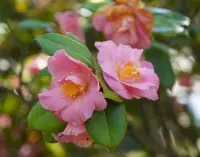
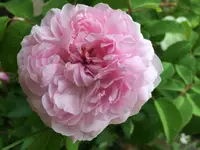
Kanjiro camellia (Camellia sasanqua 'Kanjiro') is an evergreen shrub grown mainly for its abundant fall and early winter blooms. It typically forms an upright, bushy shape with glossy dark green leaves and many semi-double pink flowers that stand out in cooler seasons.
This cultivar comes from the species Camellia sasanqua, which is native to Japan and nearby regions, and is valued in landscapes, hedges, and large containers. Its relatively good cold tolerance, long flowering season, and moderate growth rate make it manageable for most gardeners who want to care for Kanjiro Camellia.
It generally prefers bright light with some protection from harsh afternoon sun, evenly moist but well-drained soil, and a spot sheltered from strong drying winds.

Care Difficulty
Moderate Care

Light Preference
Partial Shade

Water Requirements
Regular Water

Temperature Preference
Cool Climate

Hardiness Zone
7–9

Soil Texture
Loamy, Sandy, Organic-rich

Soil pH
Strongly acidic (4.5–5.5), Acidic (5.5–6.5)

Soil Drainage
Moist but well-drained

Fertilization
Light (every 4–6 weeks)
Scan your plant to receive care tips personalized for your specific plant
Available on iOS and Android
Camellia sasanqua prefers bright, gentle light with protection from harsh afternoon sun.
Camellia sasanqua prefers evenly moist, never waterlogged soil.
This shrub grows best in mild climates with cool winters and moderate summers.
Camellia sasanqua prefers moderately moist air but usually adapts to typical home and outdoor humidity.
Camellia sasanqua needs porous, acidic soil that stays evenly moist yet drains freely.
This species is well suited to container growing when root space and drainage are carefully managed.
Camellia sasanqua benefits from modest, targeted feeding to support foliage and flower bud production.
Camellia sasanqua responds well to light, timed pruning that maintains shape and flowering wood.
Camellia sasanqua is usually grown in the ground, but container plants or young shrubs benefit from careful, infrequent moving.
Camellia sasanqua is most reliably propagated from semi-hardwood cuttings under controlled conditions.
Camellia sasanqua is relatively cold hardy but benefits from basic winter protection in colder regions.

Plant Health Check
Not sure what's wrong with your plant? Check your plant's health inside the app.
This species naturally flowers from late autumn into winter, providing nectar and pollen for insects when few other woody ornamentals bloom.
Compared with Camellia japonica, this species tolerates much brighter light and even some direct sun, which is one reason many gardeners choose it when they want to grow Camellia sasanqua in exposed sites.
Unlike many large-flowered camellias, its smaller single or semi-double flowers often have a noticeable but light fragrance, a trait valued in breeding programs.

Historical records from Japan show that this species was cultivated as a garden plant at least as early as the Edo period, when it was selected for hedges, tea gardens, and training against walls, leading to many of the traditional cultivars grown today.
This cultivar usually flowers in late fall to early winter, often from October to December depending on climate. The overall display can last several weeks, as many buds open in succession along the branches.
Keep your plants happy and healthy with plant identification, disease detection, and easy care guidance.