Redirecting Stolons
Pin or lightly bury the creeping stems into fresh potting mix in the same pot to root new plantlets and create a fuller, cascading basket over time.


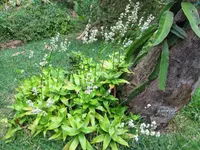
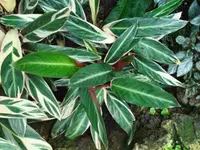
Basket plant (Callisia fragrans) is a trailing, evergreen houseplant grown for its fleshy, arching stems and rosettes of glossy green leaves. It often forms a dense, cascading mat, which makes it suitable for hanging baskets or as a groundcover in warm climates.
This species comes from subtropical areas of Mexico and the Caribbean, where it grows in bright, filtered light with regular moisture. It is generally considered easy to grow and adapts well to indoor conditions if protected from cold drafts and intense direct sun.
Its fast growth, tolerance of occasional neglect, and easy propagation from stem cuttings make it a good choice for beginners learning how to care for Basket plant.

Care Difficulty
Easy Care

Light Preference
Partial Shade

Water Requirements
Moderate Water

Temperature Preference
Tropical / Frost Sensitive

Hardiness Zone
10–11

Soil Texture
Loamy, Sandy, Organic-rich

Soil pH
Acidic (5.5–6.5), Slightly acidic (6.5–7.0)

Soil Drainage
Moist but well-drained

Fertilization
Light (every 4–6 weeks)
Scan your plant to receive care tips personalized for your specific plant
Available on iOS and Android
Just like the Fire-star orchid, this plant prefers bright, indirect light with some gentle direct sun.
Watering should keep the soil slightly moist but never saturated.
This species prefers warm, stable conditions without sudden temperature swings.
This species, along with Garden Dahlia, handles typical indoor humidity well but responds best to slightly moist air.
Callisia fragrans prefers a light, airy mix that drains freely but retains moderate moisture.
This species is very suitable for container growing due to its compact, spreading habit.
Callisia fragrans responds well to light, consistent feeding during its active growing season.
Pruning helps Callisia fragrans stay compact, leafy, and free of damaged growth.
Repotting keeps this spreading species healthy and prevents root congestion in containers.
New plants are most often produced from vegetative parts rather than seed.
This species dislikes frost and benefits from simple winter protection in cooler climates.

Plant Health Check
Not sure what's wrong with your plant? Check your plant's health inside the app.
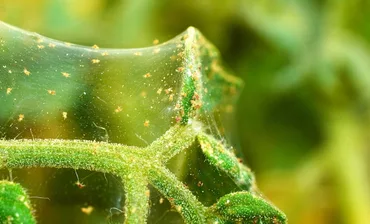
This pest often appears on indoor basket plants kept in warm, dry air, causing fine speckling and dull, grayish leaves.
Symptoms include thin webbing on stems and leaf axils and gradual yellowing or bronzing of foliage.
Solution
Rinse foliage thoroughly with lukewarm water, including leaf undersides, and repeat every few days to break the life cycle.
Increase humidity around the plant, prune heavily infested stems, and, if needed, use insecticidal soap or a neem oil spray.
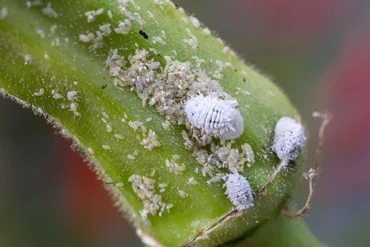
These insects hide in leaf joints and along the fleshy stems, forming white cottony clusters and producing sticky honeydew.
Symptoms include distorted new growth, slow decline, and sometimes sooty mold growing on the honeydew.
Solution
Isolate the plant, then dab visible mealybugs with cotton swabs dipped in isopropyl alcohol and wipe stems and leaf bases carefully.
Repeat inspections weekly, rinse the plant periodically, and use insecticidal soap or a systemic insecticide labeled indoor ornamentals.
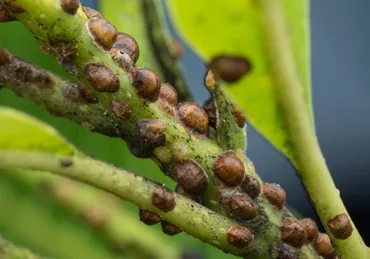
This pest appears as small, tan to brown bumps attached firmly to stems and leaf midribs, often on older, hanging shoots.
Symptoms include sticky residue, yellowing leaves, and weakened, sparse growth over time.
Solution
Gently scrape or wipe off individual scales with a soft cloth or fingernail and prune heavily infested stems.
After mechanical removal, treat remaining insects with insecticidal soap or horticultural oil. Repeat every 7–10 days.
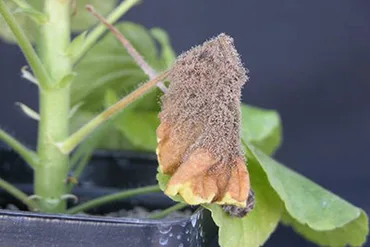
This disease shows as soft, mushy patches on leaves or stems, often covered by gray, fuzzy mold.
Symptoms include drooping stems, tissue collapse at the base of shoots, and rapid spread through crowded baskets.
Solution
Promptly cut away and discard all affected tissue, including any fallen leaves in the pot, and allow the surface of the potting mix to dry between waterings.
Increase ventilation, reduce overhead misting, space plants to lower humidity around foliage, and use a fungicide for Botrytis.
This species spreads by long, jointed stolons that root wherever a node touches suitable substrate, forming extensive clonal mats in warm climates and allowing one genetic individual to occupy a large area.
Under strong light, the leaves and stolons can develop purple to bronze tones due to increased anthocyanin pigments, which help protect leaf tissue from excess ultraviolet radiation.
In its native range of the tropical Americas, this plant typically grows in bright but filtered understory light, often on disturbed forest edges or as a groundcover near human settlements.

In some regions where it has escaped cultivation, this species is considered potentially invasive because its fast clonal growth and tolerance of varied light conditions allow it to outcompete smaller native ground flora if not actively managed.
This species usually flowers more reliably when slightly root-bound, mature, and receiving stable warm conditions. Lack of blooms often relates to plant immaturity, recent repotting, or stress from temperature fluctuations, pruning, or nutrient imbalance rather than light alone.
Keep your plants happy and healthy with plant identification, disease detection, and easy care guidance.