Caladium lindenii Care

About Caladium lindenii

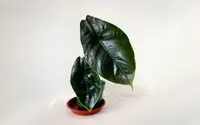
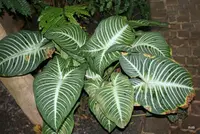
Caladium lindenii is a tropical aroid grown mainly for its striking foliage rather than flowers. It is often kept as a compact indoor ornamental plant. The large, lance-shaped leaves show bold cream or white veins on a deep green background, giving a graphic, architectural look on relatively short stems.

This species originates from humid tropical forests of Colombia, where it grows on the forest floor in filtered light. In cultivation it prefers stable warmth, evenly moist but not waterlogged soil, and good humidity.

Its sensitivity to cold, drafts, and drying out makes it moderately demanding, so it suits owners ready to learn how to care for Caladium lindenii with some attention to its environment.

Main Plant Requirements

Care Difficulty

Moderate Care

Light Preference

Bright Indirect Light

Water Requirements

Keep Soil Moist

Temperature Preference

Tropical / Frost Sensitive

Hardiness Zone

10–11

Soil Texture

Loamy, Peaty, Organic-rich

Soil pH

Acidic (5.5–6.5)

Soil Drainage

Moist but well-drained

Fertilization

Moderate (every 2–4 weeks)

Get Personalized Care Plan

Scan your plant to receive care tips personalized for your specific plant

Personalized Care in the App

Available on iOS and Android

How to Care for the Caladium lindenii

This species prefers bright, filtered light that mimics a forest understory.

  • Provide 6–8 hours of bright, indirect light each day, such as near an east window or under light shade outdoors, to maintain strong leaf color and contrast in Caladium lindenii.
  • Allow gentle morning sun but protect from harsh midday and afternoon sun, which can cause leaf scorch, bleaching, and crisp brown patches along the edges.
  • In winter, shorter days may cause slower growth; move the plant slightly closer to a bright window or supplement with a grow light if leaves pale or new growth is sparse.

This plant prefers evenly moist but not waterlogged soil around the roots.

  • Water when the top 2–3 cm of soil feels dry, using enough water so some drains from the bottom, then discard excess to prevent root rot.
  • Use a loose, well-draining mix; combine fine bark or perlite with peat or coco coir so moisture holds evenly without staying soggy.
  • In warm active growth, drying signs include slight leaf droop and lighter pot weight; in cooler seasons, reduce frequency and watch for overwatering signs like yellowing leaves and a musty smell from the soil.

This tropical species grows best in warm, stable temperatures without sudden swings.

  • Aim for 70–80°F (21–27°C) during active growth, which supports strong foliage and steady root activity.
  • Keep temperatures above 60°F (16°C); below 55°F (13°C) growth stalls, leaves may yellow, and cold damage becomes likely, especially with drafts or damp soil.
  • Protect from frost at all times and avoid exposure above 90°F (32°C) with direct intense sun, which can cause leaf wilting and scorch; provide shade and good airflow during hot spells.

This species prefers consistently high humidity for stable foliage health.

  • Aim for 60–70% humidity; it tolerates brief drops to 50% but reacts poorly to very dry air from heating or air conditioning.
  • Low humidity stress shows as brown, crispy leaf edges and slower leaf expansion while soil moisture is adequate.
  • Increase humidity with a nearby humidifier, grouped plants, or a wide pebble tray under the pot, keeping the pot base above standing water.

This plant needs an airy, moisture-retentive but fast-draining mix to protect its roots.

  • Use a loose, organic-rich mix such as 2 parts peat or coco coir, 1 part perlite, and 1 part fine bark to balance moisture and air.
  • Ensure rapid drainage; water should exit the pot within seconds, leaving the mix evenly damp but never waterlogged.
  • Slightly acidic to neutral pH around 6.0–7.0 supports nutrient uptake and reduces the risk of micronutrient lockout.
  • Avoid heavy garden soil or pure compost that compacts, as this suffocates roots and increases the chance of rot in Caladium lindenii.

This species is well suited to container growing when the pot supports its root needs and moisture balance.

  • Choose a pot 2–4 in wider than the root mass so the mix dries evenly instead of staying wet in unused outer zones.
  • Select a stable, relatively heavy container if foliage becomes large, to prevent tipping when leaves lean toward light sources.
  • Use a pot material that matches your watering style, such as terracotta for slightly faster drying or plastic for longer moisture retention.

Nutrient support helps Caladium lindenii maintain strong foliage during its active growing season.

  • Use a balanced liquid fertilizer (around 10-10-10 or 20-20-20) diluted to 1/4–1/2 strength.
  • Feed every 2–4 weeks in spring and summer when growth is active.
  • Stop or reduce feeding to once every 6–8 weeks in fall and winter as growth slows.
  • Avoid compost-heavy mixes that stay wet and always water before applying fertilizer to prevent root burn.

Pruning focuses on hygiene and leaf quality rather than reshaping Caladium lindenii.

  • Remove yellow, brown, or damaged leaves at the base throughout the growing season with clean, sharp scissors.
  • Cut away soft, rotting, or pest-infested tissue promptly to limit spread.
  • Thin out crowded, shading leaves to improve airflow and light distribution.
  • Disinfect blades before and after use with alcohol to reduce disease transmission.

Container-grown Caladium lindenii benefits from occasional repotting to refresh soil and manage roots.

  • Check for roots circling the pot, emerging from drainage holes, or slowed growth as signals it needs a larger container.
  • Plan repotting for late winter to early spring, just before strong new growth begins, typically every 1–2 years.
  • Move up only 2–5 cm in pot diameter and use a well-draining, airy mix to limit waterlogging stress.
  • Water lightly after repotting, keep humidity high, and shade from strong light for 7–10 days to help roots recover.

Propagation of Caladium lindenii is most reliable through division of its tubers or clumps.

  • Divide healthy tubers or clumps in late winter to early spring before vigorous growth starts.
  • Ensure each division has at least 1–2 viable growth points and some healthy roots attached.
  • Plant divisions in a loose, well-draining mix, then keep warm at 70–80°F with high humidity and bright, indirect light.
  • Maintain lightly moist, not waterlogged, substrate to encourage new roots and shoots within several weeks.

This tropical plant is frost sensitive and needs warm, stable conditions in winter.

  • Move containers indoors before temperatures drop below 55°F, choosing a bright, draft-free spot.
  • In cool climates, allow foliage to die back, then store tubers slightly dry in a breathable bag at 60–70°F.
  • Reduce watering significantly in winter, keeping soil barely moist to prevent rot.
  • Avoid cold windowsills and sudden temperature swings that stress dormant or semi-dormant plants.

Care Tips

Rotating for symmetry

Rotate the pot 90° every 1–2 weeks so the leaves receive light from different angles, which helps maintain an even, balanced canopy instead of leaning strongly to one side.

Leaf surface cleaning

Wipe both sides of the large leaves with a barely damp, soft cloth every 3–4 weeks to remove dust, improve photosynthesis, and allow earlier detection of pests or fungal spots.

Controlled leaf support

Use short, soft plant ties or small hoops to gently support heavy or arching petioles, preventing creasing or snapping of the decorative foliage while still allowing natural movement.

Dormancy management

If growth slows and leaves begin to fade, gradually reduce watering, allow the tuber to rest in barely moist substrate for 6–8 weeks, then resume normal care when new shoots appear, which is central to successful Caladium lindenii indoor care.

Preventing salt buildup

Every 6–8 weeks, water deeply until excess drains freely through the pot to flush out accumulated fertilizer salts that can burn fine roots and cause leaf edge browning.

Common Pests and Diseases

Spider mites

This pest thrives in warm, dry indoor air and feeds by piercing leaf tissue, leading to stippling, dull foliage, and fine webbing on the striking leaf veins. Symptoms include slow decline and leaves that look dusty or speckled, especially on the undersides.

Solution

Rinse foliage thoroughly with lukewarm water, focusing on the leaf undersides, then wipe with a soft cloth to remove mites and webbing; repeat weekly until no new signs appear. Increase humidity to 60–70%, isolate the plant from others, and if the infestation persists, apply a targeted insecticidal soap or neem oil spray labeled for indoor ornamental plants, ensuring full leaf coverage.

Thrips

These insects hide along the prominent midrib and veins, scraping leaf surfaces and causing silvery streaks, distorted new leaves, and small black droppings. This pest is often introduced from nearby flowering plants or open windows and can spread quickly in warm indoor conditions.

Solution

Prune and dispose of heavily damaged leaves, then gently wash all remaining foliage to remove adults and larvae. Use sticky traps to monitor activity and apply an insecticidal soap or neem oil spray every 7–10 days for several cycles, treating nearby plants as well and improving airflow around the foliage.

Bacterial leaf spot

This disease causes water-soaked, translucent patches that later turn brown and may have yellow halos, often starting along the striking white veins where moisture lingers. Symptoms include irregular lesions that can coalesce, leading to large dead sections and premature leaf collapse.

Solution

Remove and discard all affected leaves and avoid splashing water on the foliage, especially in the evening. Improve air circulation, water only at the soil level, and keep leaves dry; if the problem persists, reduce overall watering frequency and avoid overhead misting to limit bacterial spread.

Fungal leaf blight

This disease develops in overly humid, stagnant air and shows as brown or tan patches with darker edges, often beginning on older leaves or crowded areas. Symptoms include quick expansion of lesions in warm, wet conditions and rapid loss of ornamental value.

Solution

Cut off and discard infected leaves, sterilizing scissors or pruners between cuts, then thin dense foliage to improve airflow. Allow the top of the potting mix to dry slightly between waterings, keep humidity moderate and moving, and avoid water sitting on leaves; consider a labeled indoor fungicide only if cultural corrections do not stop new spots.

Mealybugs

This pest appears as white, cottony clusters in leaf axils, along petioles, and at the base of the stems, sucking sap and causing yellowing, curling, and general decline. These insects excrete sticky honeydew that can lead to sooty mold on the broad leaves.

Solution

Physically remove visible clusters with a cotton swab dipped in 70% isopropyl alcohol, then gently wash the plant to clear remaining insects and honeydew. Isolate the plant, repeat alcohol spot-treatments weekly, and if the population persists, use a neem oil or insecticidal soap spray, ensuring it reaches leaf axils and stem joints while keeping the plant out of direct sun until leaves are dry.

Interesting Facts

Distinct leaf venation

This species is noted for its strongly contrasting white primary veins that radiate from the midrib and secondary network veins, which are much more pronounced than in most other Caladium species and help distinguish it from closely related aroid foliage plants.

Taxonomic reclassification history

Originally described in the genus Caladium, this species has been reassigned by some botanists to Xanthosoma based on floral and vegetative characters, so it may be encountered in literature under both names while still referring to the same plant.

Native lowland habitat

The species is native to humid lowland tropical forests of northwestern South America, where it typically grows in shaded understory conditions with consistently warm temperatures and high atmospheric humidity.

FAQs about Caladium lindenii

Brown, crisp edges usually come from low humidity, excess fertilizer, or a past episode of underwatering. Increase humidity, flush the pot to remove salts, and keep moisture even to prevent further damage, though existing browning will remain.

Grow Healthy Plants with Botan Care

Keep your plants happy and healthy with plant identification, disease detection, and easy care guidance.

Botan plant care app — identify plants on mobile

Explore More Plants