Monstera minima Care

About Monstera minima

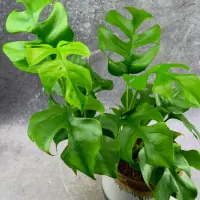
Monstera minima is a compact, vining aroid grown mainly as an indoor foliage plant. It is often called a mini monstera because its leaves resemble a smaller Monstera deliciosa.

The plant typically climbs or trails, producing glossy green leaves with splits and perforations as it matures. In homes, it is usually trained on a moss pole or allowed to cascade from a shelf or hanging container.

Monstera minima comes from tropical regions of Southeast Asia, so it prefers warmth, moderate humidity, and evenly moist but well-drained soil. These traits make it relatively forgiving, as long as it receives bright, indirect light and is protected from cold drafts. For many plant owners, learning how to care for Monstera minima feels approachable and rewarding.

Main Plant Requirements

Care Difficulty

Moderate Care

Light Preference

Bright Indirect Light

Water Requirements

Moderate Water

Temperature Preference

Tropical / Frost Sensitive

Hardiness Zone

11–12

Soil Texture

Loamy, Peaty, Organic-rich

Soil pH

Acidic (5.5–6.5), Slightly acidic (6.5–7.0)

Soil Drainage

Moist but well-drained

Fertilization

Light (every 4–6 weeks)

Get Personalized Care Plan

Scan your plant to receive care tips personalized for your specific plant

Personalized Care in the App

Available on iOS and Android

How to Care for the Monstera minima

This species prefers bright, indirect light that mimics dappled tropical shade.

  • Provide 6–8 hours of bright, filtered light daily, such as near an east- or north-facing window or under sheer curtains in stronger exposures.
  • Tolerates light shade, but growth and leaf size decline if it receives less than 4 hours of bright, indirect light, leading to stretched, sparse vines in Monstera minima.
  • Avoid harsh midday sun, especially through glass; more than 2–3 hours of direct afternoon sun can scorch leaves, while winter sun at a low angle is usually safe.

Watering should keep the root zone evenly moist but never saturated for long periods.

  • Let the top 2–5 cm (1–2 in) of soil dry before watering, then soak thoroughly until excess drains away, ensuring no water remains standing around the roots.
  • In warm, bright months, expect to water more often as the top layer dries faster; in cooler or darker months, extend the dry period to prevent root rot.
  • Watch for soft, yellowing lower leaves and a sour soil smell as signs of overwatering, and crisp, curling leaves or drooping stems as signs of underwatering in Monstera minima.

Stable, warm conditions support steady growth and reduce stress-related leaf problems.

  • Aim for 65–80°F (18–27°C) for active growth, with the best performance around 70–75°F (21–24°C) when light and humidity are adequate.
  • Protect the plant from temperatures below 55°F (13°C); brief dips to 50°F (10°C) may be tolerated, but recurrent chills slow growth and can damage foliage.
  • Avoid placing it near heaters, radiators, or hot west-facing windows where temperatures can exceed 86°F (30°C), and always shield it from frost or cold drafts at doors and windows.

This species prefers moderately high humidity but tolerates typical home levels if other care is stable.

  • Aim for 50–70% humidity to support steady leaf growth and healthy fenestration.
  • In drier air, expect slower growth, brown leaf tips, and crispy edges along newer leaves.
  • Increase humidity with a nearby humidifier, grouping plants, or a water-filled pebble tray placed under but not touching the pot.

This aroid prefers a loose, airy, organic-rich mix that drains quickly yet holds some moisture.

  • Use a base of peat or coco coir with added fine bark, perlite, and a small amount of compost for structure and nutrients.
  • Target a slightly acidic to neutral pH around 6.0–7.0 to support nutrient uptake and root health.
  • Ensure water drains through the mix within seconds, not minutes, to prevent persistent saturation and root rot.
  • Avoid heavy garden soil or pure potting compost that compacts and reduces aeration around Monstera minima roots.

This plant is well suited to container growing due to its compact climbing habit.

  • Choose a slightly heavy or wide-based pot to counterbalance climbing growth and reduce the risk of tipping as stems elongate.
  • Select a pot material that matches your watering style, using terracotta if moisture tends to linger too long in your environment.
  • Leave enough pot depth to anchor a climbing support so roots and substrate can stabilize the plant as it gains height.

This plant responds well to moderate feeding during active growth.

  • Use a balanced liquid fertilizer (for example 10-10-10 or 20-20-20) at 1/4–1/2 strength for Monstera minima.
  • Apply every 4–6 weeks from spring through early fall on already-moist soil.
  • Skip fertilizer in mid–late winter when growth slows and light is low.
  • Occasionally supplement with a thin layer of high-quality compost on top of the potting mix.

Thoughtful pruning keeps Monstera minima compact, tidy, and better lit.

  • Best time is late winter to early spring, before strong new growth starts.
  • Remove yellowing, dead, or physically damaged leaves back to the main stem.
  • Thin out crowded or overly long vines to improve airflow and maintain shape.
  • Use clean, sharp pruning shears and make angled cuts just above a node.

Container-grown plants benefit from occasional repotting to maintain root health.

  • Check for roots circling the pot, pushing from drainage holes, or unexplained slow growth as signs Monstera minima needs a larger container.
  • Aim to repot every 2–3 years in spring, moving up only 2–5 cm in pot diameter.
  • Water lightly the day before, then gently loosen and untangle roots to limit damage.
  • After repotting, water thoroughly once, then keep in bright, indirect light and avoid heavy feeding for 3–4 weeks.

Stem cuttings are the most reliable method for home propagation.

  • Take 1–2 node stem cuttings of Monstera minima in late spring or early summer.
  • Include at least one healthy leaf and one aerial root if possible.
  • Root in water or a moist, airy mix at 70–80°F with high humidity and bright, indirect light.
  • Once roots reach 5–10 cm, pot into a small container and maintain even, light moisture.

This tropical species is frost-sensitive and needs mild, stable conditions in winter.

  • Move outdoor containers indoors before temperatures fall below 55°F.
  • Keep indoor temperatures around 65–75°F and away from cold drafts or heater blasts.
  • Allow the top soil to dry slightly more between waterings, as winter growth slows.
  • Avoid repotting or heavy pruning in winter to reduce stress.

Care Tips

Provide climbing support

Install a moss pole or sturdy trellis close to the main stems and gently tie new vines to it with soft plant ties so the plant can climb and develop larger, better-shaped leaves over time.


Rotate for even growth

Turn the pot 90° every 2–3 weeks so different sides face the light source, which reduces leaning and helps produce a more symmetrical, dense plant.

Segmented repotting

When roots fill the pot, divide long vines into several sections with their own rooted nodes and pot them together in a slightly larger container to create a fuller-looking plant without upsizing the pot too much.

Targeted pest checks

Inspect the undersides of leaves and the stem nodes every 1–2 weeks, focusing on tight leaf folds and attachment points where mealybugs and spider mites often hide, so any infestation is caught and treated early.

Support during transport

Before moving the plant or taking it outdoors temporarily, secure vines loosely to the support and group them together, which reduces mechanical damage to the delicate nodes and minimizes stress when growing Monstera minima.

Common Pests and Diseases

Spider mites

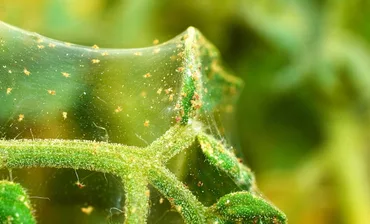
This pest thrives on Monstera minima in warm, dry indoor air and feeds on leaf sap, causing tiny pale speckles and fine webbing between leaves and stems.

Solution

Rinse foliage thoroughly in the shower or sink, focusing on leaf undersides, then repeat every 5–7 days and increase humidity to slow reproduction; for heavier infestations, apply a neem oil or insecticidal soap spray labeled for indoor use, keeping the plant out of direct sun until leaves are dry.
Thrips

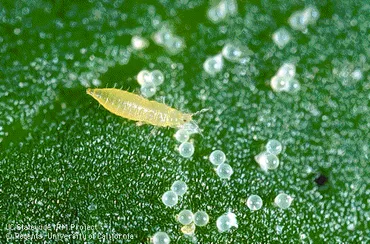
These insects scrape and suck plant tissues, leading to silvery streaks, distorted new leaves, and black specks of frass on Monstera minima’s thin foliage.

Solution

Isolate the plant, rinse leaves to remove adults and larvae, then use sticky traps to monitor and reduce flying adults; follow with 2–3 applications of neem oil or a low-toxicity systemic product, spaced 7–10 days apart, to target successive life stages while checking new growth regularly.

Fungal leaf spots

This disease appears as brown, tan, or dark water-soaked spots on leaves, often starting where moisture sits on the thin leaf surface or along the edges of fenestrations.

Solution

Prune and discard affected leaves, avoid wetting foliage, and improve airflow around the plant; allow the top of the potting mix to dry slightly between waterings and, if spotting continues to spread, use a copper-based or broad-spectrum houseplant fungicide according to label directions.

Bacterial blight

This disease causes rapidly enlarging, water-soaked lesions that turn brown and may have a yellow halo, often starting at leaf margins or mechanical injury sites.

Solution

Remove and discard all affected leaves, sterilizing pruning tools between cuts, then reduce overhead watering and avoid splashing water between plants; if the disease continues to progress, discard severely affected plants to prevent spread and ensure any new plants are sourced from clean, reputable growers for better Monstera minima care.

Scale insects

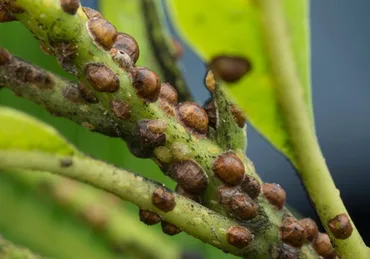
This pest appears as small, immobile brown or tan bumps on stems and leaf midribs, where insects suck sap and excrete sticky honeydew that can lead to sooty mold.

Solution

Gently scrape or wipe off visible scales with a cotton swab dipped in isopropyl alcohol, then inspect weekly and repeat as needed; for persistent populations, follow up with several rounds of neem oil or insecticidal soap, ensuring thorough coverage of stems and leaf veins where young crawlers hide.

Interesting Facts

Distinct species identity

Monstera minima is not a juvenile form of Monstera deliciosa but a separate species, now correctly placed in the genus Rhaphidophora, reflecting its different floral and fruit structure.

Shingle-style juvenile growth

In early growth stages, stems often creep and the leaves can press closely against the support surface, a growth pattern known as shingling that helps the plant secure itself in dense tropical vegetation.

Fenestration at small size

This species develops split and perforated leaves while still relatively small, unlike some larger Monstera relatives that need to reach considerable size or age before fenestrations appear.

FAQs about Monstera minima

Yellowing leaves usually result from overwatering, poorly draining soil, or prolonged low light. Older leaves may yellow naturally as the plant reallocates resources. Check the root ball, drainage, and recent care changes before adjusting anything.

Grow Healthy Plants with Botan Care

Keep your plants happy and healthy with plant identification, disease detection, and easy care guidance.

Botan plant care app — identify plants on mobile

Explore More Plants