


Rotate For Symmetry
Turn the pot 90° every 2–3 weeks so all sides receive similar light, which keeps the rosette even and prevents stretched, one-sided growth when growing Copper Spoons.

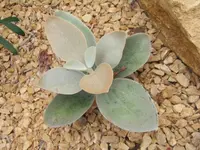
Copper spoons (Kalanchoe orgyalis) is a compact succulent shrub valued for its sculptural shape and textured foliage. It forms upright, branching stems with thick, spoon-shaped leaves.
New leaves emerge covered in soft, rusty-brown hairs, then age to a silvery gray, creating a two-tone effect. This color contrast makes it a strong focal plant in containers and rock gardens.
K. orgyalis is native to dry, rocky areas of Madagascar, so it is adapted to bright light, infrequent rainfall, and sharp drainage. These traits generally make it low-maintenance, as long as overwatering is avoided.
Those learning how to care for Copper Spoons should know it prefers bright light, low to moderate moisture, and a gritty, fast-draining soil mix.

Care Difficulty
Easy Care

Light Preference
Partial Sun

Water Requirements
Low Water

Temperature Preference
Tropical / Frost Sensitive

Hardiness Zone
10–12

Soil Texture
Sandy, Loamy, Rocky

Soil pH
Acidic (5.5–6.5), Slightly acidic (6.5–7.0)

Soil Drainage
Well-drained

Fertilization
Minimal (feed rarely)
Scan your plant to receive care tips personalized for your specific plant
Available on iOS and Android
Kalanchoe orgyalis prefers bright, sun-rich conditions that mimic its native arid habitat.
This succulent stores moisture in its leaves and needs infrequent, careful watering.
This species prefers warm, dry conditions and has low tolerance for cold and frost.
This succulent shrub prefers dry indoor air and rarely needs special humidity adjustment.
This species needs a very fast-draining, mineral-based potting mix to avoid root rot.
This species is very suitable for container growing, both indoors and on sheltered patios.
This succulent needs only light feeding, as Copper Spoons is adapted to low-nutrient soils.
Pruning helps Kalanchoe orgyalis keep a compact, branching shape and removes weak growth.
Repotting is infrequent, but necessary when this slow-growing succulent becomes rootbound.
New plants are most often produced from stem cuttings taken from healthy Kalanchoe orgyalis.
This succulent is frost sensitive and needs protection in regions with cold winters.

Plant Health Check
Not sure what's wrong with your plant? Check your plant's health inside the app.
The leaves are covered in dense brownish hairs that create a velvety, copper-colored surface, helping reflect intense sunlight in its native dry habitats of Madagascar.
Mature leaves often shift from bright copper on top to gray-green with a silvery sheen beneath, creating a two-tone effect that is especially visible when the leaves twist or curl slightly with age.
In suitable conditions this species forms a woody, branching subshrub rather than staying as a small rosette, reaching notable size in the ground in mild, frost-free climates and making it a distinctive option for growing Copper Spoons in xeric landscapes.

In coastal southern Madagascar, wild populations of this species often grow on exposed rocky slopes and sandstone outcrops, where the combination of felted leaves and a woody, branching habit allows it to withstand high light, strong drying winds, and very limited soil depth compared with many other Kalanchoe species.
Brown patches often result from sun scorch, cold drafts, or past underwatering, while soft brown areas suggest rot. Check roots, remove damaged leaves, improve drainage, and stabilize conditions to prevent further tissue damage and leaf loss.
Keep your plants happy and healthy with plant identification, disease detection, and easy care guidance.

splendens
Haworthia magnifica
Flower Dust Plant
Kalanchoe pumila

Variegated Kalanchoe
Kalanchoe fedtschenkoi 'Marginata'
Gloxinia erinoides
Gloxinia erinoides
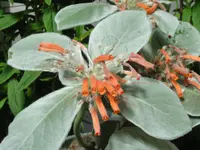
Brazilian edelweiss
Sinningia leucotricha
 POPULAR
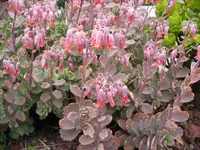
Lavender Scallops
Kalanchoe fedtschenkoi
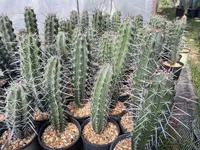
Stenocereus chacalapensis
Stenocereus chacalapensis
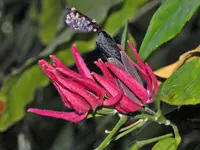
Brazilian Candles
Pavonia multiflora