Guide the Stem
Philodendron gloriosum grows horizontally, so guide its stem across the soil surface. Leave room for each new node to root into the mix as the plant spreads.

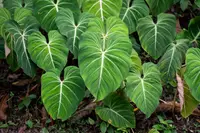
This plant is a tropical aroid that can crawl, and is truly unique because of that. Unlike its climbing "relatives", it has a creeping growth habit and spreads slowly across the soil surface.
It is not the hardest species to grow, but it needs some attention. The plant came from the tropical forests of Colombia and parts of South America, so it likes warm, humid, and shaded conditions. Read this article to learn how to care for Philodendron gloriosum successfully.

Care Difficulty
Moderate Care

Light Preference
Bright Indirect Light

Water Requirements
Moderate Water

Temperature Preference
Tropical / Frost Sensitive

Hardiness Zone
10-11

Soil Texture
Loamy, Organic-rich

Soil pH
Acidic (5.5–6.5), Slightly acidic (6.5–7.0)

Soil Drainage
Moist but well-drained

Fertilization
Light (every 4–6 weeks)
Scan your plant to receive care tips personalized for your specific plant
Available on iOS and Android
Like many tropical species, this one likes bright but filtered light that mimics the shaded forest floor. Give 4-6 hours of light daily, but protect from harsh direct midday sun. At the same time, note that too little light can slow growth, reduce leaf size, and make the plant stretch toward the light source.
This species prefers evenly moist soil, but its roots should never be constantly in stagnant water.
In the wild, Philodendron gloriosum grows in warm tropical conditions, so try to keep it at home to support the plant's health.
Note: This houseplant adapts well to most homes and often thrives in bathrooms, where warmth and humidity are higher.
Humidity is an important factor because dry air can damage the plant's thin, velvety leaves. Keep humidity around 60-80% when possible and use a humidifier or pebble tray to control it.
Note: Brown edges may appear in very dry rooms. In this case, move the houseplant to a bathroom or kitchen.
This species grows best in loose, humus-rich soil that holds light moisture without becoming compacted.
The creeping stem can spread across the soil surface, so you can grow the houseplant in a pot. Use a wide container about 8-12 inches (20-30 cm) across for average plants, and ensure the pot has drainage holes when buying.
Note: A heavier terracota pot helps stabilize broad foliage and creeping growth.
Light feeding supports steady leaf growth during active growth, but don't overfertilize your Philodendron gloriosum. Frequent feeding can lead to root burn.
Don't prune it often, but occasional trimming keeps the plant clean and healthy.
Probably, that is the main concern because this species is usually grown in containers. So, repot when roots circle the pot or the creeping stem reaches the container edge. Move it into a slightly wider pot, usually 2 inches (5 cm) wider, not a much deeper one.
This species is usually propagated from sections of its creeping rhizome. The best time to do this is in spring or summer, when the plant is actively growing and can root more quickly.
Tip: To boost humidity, you can cover the pot loosely with a plastic bag or clear cover, but open it every couple of days to let in fresh air.
Winter slows growth. Also, as a tropical species, Philodendron gloriosum is highly sensitive to cold. Keep it above 55°F (13°C) and away from frost, and maintain humidity to prevent dry leaf edges.

Plant Health Check
Not sure what's wrong with your plant? Check your plant's health inside the app.
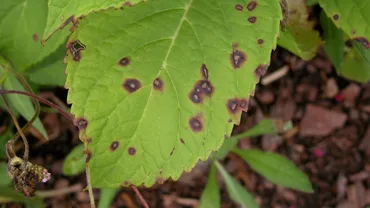
Symptoms include small brown or black spots that may spread in humid, poorly ventilated conditions.
Solution
Trim off damaged leaves and keep the plant in a cleaner, better-aerated position.
Avoid overhead watering and remove fallen debris from the soil surface.
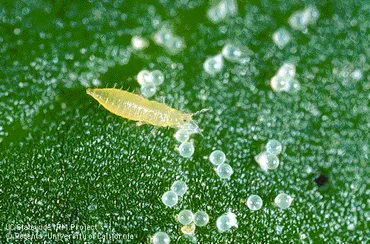
These insects often attack houseplants.
They can scar young leaves, cause silvery streaks, and distort new growth before it fully opens.
Solution
Remove damaged leaves and isolate the plant from nearby houseplants.
Wipe foliage and treat with insecticidal soap or a systemic product if the infestation persists.
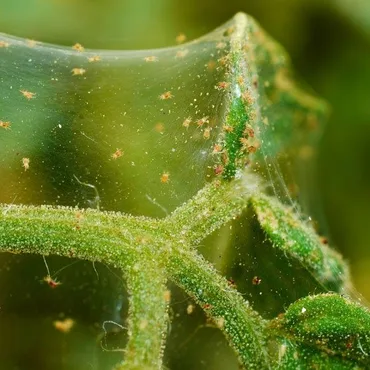
This pest is especially common when the air is dry, and symptoms include fine webbing, pale speckling, and dull-looking leaves.
Solution
Wash the leaves gently and increase humidity. For heavier infestations, use insecticidal soap or horticultural oil.
Repeat treatment as needed.
Philodendron gloriosum is valued for its heart-shaped leaves with a velvety surface and pale contrasting veins.
This leaf texture makes it unique but also more sensitive to dust buildup.
Philodendrons can grow in several different ways: as climbing vines, upright rosette-forming plants, tree-like types, or creeping species.
Philodendron gloriosum belongs to the creeping group.
Yes, it can grow outdoors in warm, frost-free climates. In cooler regions, keep it in a container and protect it from cold weather.
Keep your plants happy and healthy with plant identification, disease detection, and easy care guidance.