


Rotate for symmetry
Turn the pot 90° every 1–2 weeks so the plant does not lean toward the light and the tight clumps of stems develop a balanced, upright form.

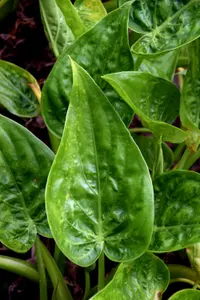
Chinese taro, Alocasia cucullata, is a compact aroid grown mainly for its lush foliage. It forms tight clumps of upright, smooth green stems topped with small, heart-shaped leaves that gently move with air currents.
This species is native to tropical regions of Southeast Asia, where it grows in warm, humid, partially shaded habitats. Indoors it is valued as a sculptural foliage plant that fits well on floors or large shelves.
It can be moderately demanding, as it dislikes cold, drafts, and very dry air, and reacts quickly to overwatering or soggy soil. Understanding how to care for Chinese taro focuses on providing stable warmth, filtered light, and evenly moist but well-drained substrate.

Care Difficulty
Moderate Care

Light Preference
Bright Indirect Light

Water Requirements
Keep Soil Moist

Temperature Preference
Tropical / Frost Sensitive

Hardiness Zone
10–12

Soil Texture
Loamy, Peaty, Organic-rich

Soil pH
Acidic (5.5–6.5), Slightly acidic (6.5–7.0)

Soil Drainage
Moist but well-drained

Fertilization
Moderate (every 2–4 weeks)
Scan your plant to receive care tips personalized for your specific plant
Available on iOS and Android
This plant prefers bright, indirect light that mimics a lightly shaded tropical understory.
Alocasia cucullata prefers evenly moist but not waterlogged soil.
This species grows best in consistently warm, stable temperatures without sudden swings.
This species prefers consistently high humidity for stable growth.
Alocasia cucullata needs airy, moisture-retentive but fast-draining soil to protect its roots.
This species is well suited to container growing when the pot is chosen for root health and stability.
This species benefits from modest, consistent feeding during active growth to support large foliage.
Pruning is mainly hygienic for this plant and helps maintain a neat, healthy clump.
Container-grown plants appreciate thoughtful repotting to prevent root congestion and stress.
New plants are most reliably produced by division of the clumping base rather than from seed.
This tropical species is frost-sensitive and requires protective winter care in most temperate climates.

Plant Health Check
Not sure what's wrong with your plant? Check your plant's health inside the app.
This species naturally develops compact clumps of upright, heart-shaped leaves on slender petioles, which is one reason it has been selected and spread as a houseplant more than many other Alocasia species with larger, less manageable foliage.
In parts of Southeast Asia, especially Thailand, this plant is commonly grown around temples and shrines, where it is valued as a long-lived, tidy ornamental that tolerates containers and repeated division.
Compared with many relatives, this species is known among growers as one of the more forgiving elephant ears, coping better with variable indoor humidity and light while still preferring warm, stable conditions.

In several Asian cultures this plant has been grown near homes and religious sites as a traditional good-luck symbol, believed to bring prosperity and protection, which helped drive its early spread in cultivation far beyond its original native range.
Brown, crispy edges usually result from low humidity, underwatering, or fertilizer salts building up in the potting mix. Increase humidity, water evenly, flush the soil occasionally, and keep the plant away from hot or cold drafts.
Keep your plants happy and healthy with plant identification, disease detection, and easy care guidance.

Digby's Beaked Laelia
Rhyncholaelia digbyana
Darwin’s orchid
Angraecum sesquipedale
 POPULAR
Ghost orchid
Dendrophylax lindenii
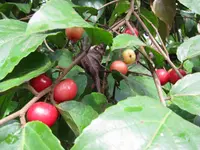
Indian plum
Flacourtia jangomas
 POPULAR
Cabbage tree
Cordyline australis
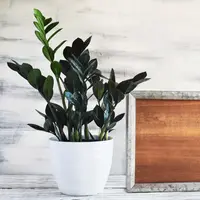
ZZ Plant
Zamioculcas zamiifolia Raven
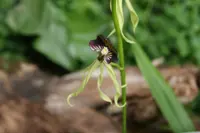
clamshell orchid
Prosthechea cochleata
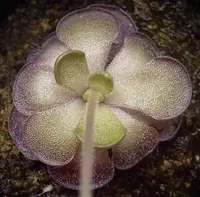
Pinguicula cyclosecta
Pinguicula cyclosecta