Rotate For Symmetry
Turn the pot 90° every 3–4 weeks so all sides receive similar light exposure and the clump develops evenly without leaning or flat spots in the foliage.

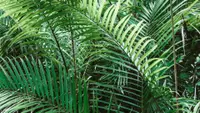
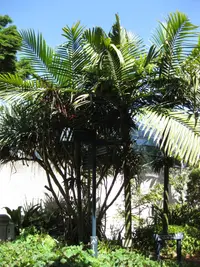
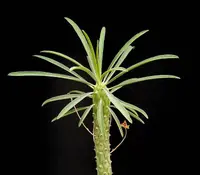
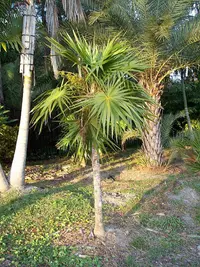
Areca palm, Dypsis lutescens, is a clustering palm grown mainly as an indoor ornamental for its soft, arching fronds and multiple bamboo-like stems. It stays relatively narrow, which makes it suitable for bright living rooms, offices, and other indoor spaces.
In nature it occurs in Madagascar, where it grows in warm, humid conditions with filtered light. The plant adapts moderately well to containers but can be sensitive to low light, cold drafts, and very dry air.
This palm usually responds well when placed in bright, indirect light with evenly moist but not waterlogged soil, which is key when learning how to care for Areca Palm.

Care Difficulty
Moderate Care

Light Preference
Bright Indirect Light

Water Requirements
Moderate Water

Temperature Preference
Tropical / Frost Sensitive

Hardiness Zone
10–11

Soil Texture
Sandy, Loamy, Organic-rich

Soil pH
Acidic (5.5–6.5), Slightly acidic (6.5–7.0)

Soil Drainage
Moist but well-drained

Fertilization
Light (every 4–6 weeks)
Scan your plant to receive care tips personalized for your specific plant
Available on iOS and Android
This palm prefers bright, filtered light that mimics dappled tropical sun.
Watering should keep the root zone evenly moist but never saturated.
This species prefers warm, stable temperatures similar to a mild tropical climate.
This palm prefers moderately humid air and reacts quickly to very dry rooms.
Dypsis lutescens grows best in a loose, airy, organic-rich mix that drains quickly but holds some moisture.
This species is well suited to container growing when the pot supports its fibrous, spreading root system.
Balanced feeding supports steady growth of Dypsis lutescens in containers.
Thoughtful pruning keeps Dypsis lutescens tidy and supports healthy new fronds.
Container-grown Dypsis lutescens benefits from occasional repotting to refresh space and soil.
New Dypsis lutescens plants are most reliably produced by division of clumps.
Dypsis lutescens is frost-sensitive and needs protection in regions with cold winters.

Plant Health Check
Not sure what's wrong with your plant? Check your plant's health inside the app.
This palm forms dense, multi-stemmed clumps that visually resemble a bamboo thicket, but each stem is a true palm trunk with growth from a subterranean rhizome-like base rather than woody nodes.
In its native range in eastern Madagascar, this species occurs in moist, often seasonally waterlogged lowland habitats, which is why it tolerates higher soil moisture than many other ornamental palms.
Controlled chamber studies by space agency and building-science researchers have shown that this species can remove certain volatile organic compounds from air, which led to its frequent citation in discussions of Areca Palm indoor care.

In suitable tropical outdoor conditions, this usually modest indoor palm can develop into a large, fountain-shaped clump up to several meters tall that provides important shelter and perching sites for small birds and invertebrates in gardens and urban landscapes.
Browning tips usually result from low humidity, underwatering, or mineral buildup from hard tap water. Trim dry tips with clean scissors, avoid cutting into green tissue, and switch to filtered water if leaf edges keep scorching.
Keep your plants happy and healthy with plant identification, disease detection, and easy care guidance.