Alocasia nebula Care

About Alocasia nebula

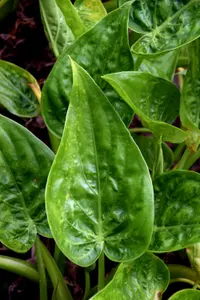
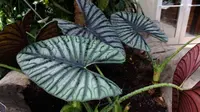
Alocasia nebula is a compact tropical aroid grown mainly for its striking foliage rather than its flowers. It forms a small clumping plant with thick, metallic-gray to blue-green leaves marked by deep, pale veins. The leaves have a slightly puckered, almost armored texture that gives the plant a distinctive, sculptural look indoors.

This species is native to humid tropical forests in Borneo, where it grows on the forest floor in warm, shaded conditions. It can be challenging for beginners, as it reacts quickly to low humidity, cold drafts, or inconsistent watering. To care for Alocasia nebula, provide stable warmth, high humidity, bright filtered light, and a very airy, well-drained potting mix.

Main Plant Requirements

Care Difficulty

Hard Care

Light Preference

Bright Indirect Light

Water Requirements

Keep Soil Moist

Temperature Preference

Tropical / Frost Sensitive

Hardiness Zone

11–12

Soil Texture

Loamy, Peaty, Organic-rich

Soil pH

Acidic (5.5–6.5), Slightly acidic (6.5–7.0)

Soil Drainage

Moist but well-drained

Fertilization

Moderate (every 2–4 weeks)

Get Personalized Care Plan

Scan your plant to receive care tips personalized for your specific plant

Personalized Care in the App

Available on iOS and Android

How to Care for the Alocasia nebula

This species prefers bright, indirect light that mimics a shaded tropical understory.

  • Provide 6–8 hours of bright, filtered light each day, such as near an east or north-facing window or under a sheer curtain with no direct midday sun.
  • Tolerates brief early-morning or late-afternoon sun, but avoid harsh midday rays that can scorch leaves and fade the silvery patterning of Alocasia nebula.
  • If light is too low, leaves may darken, petioles stretch, and new growth slow; move the plant gradually to a brighter spot, especially in winter.

Watering should keep the root zone evenly moist but never saturated.

  • Allow the top 2–3 cm of soil to dry before watering again, using your finger to check rather than following a strict calendar schedule.
  • Use a loose, fast-draining mix so excess water exits quickly; yellowing lower leaves, mushy stems, or a sour smell indicate overwatering and poor aeration.
  • In spring and summer, the plant typically needs more frequent watering; in autumn and winter, extend the drying period and watch for drooping or curling leaves as signs of underwatering.

Stable warmth is essential for this species to maintain active growth and healthy foliage.

  • Aim for 70–80°F (21–27°C) for best growth, with only small fluctuations between day and night to avoid stress.
  • Keep it above 60°F (16°C) at all times; below 55°F (13°C) growth slows sharply and prolonged exposure can damage leaves and roots.
  • Protect from drafts, air conditioners, and heaters; in summer it tolerates short periods up to 86°F (30°C) if humidity and watering are well managed, but it is not frost-hardy.

This species needs high humidity to maintain healthy foliage and steady growth.

  • Aim for 60–80% humidity, as caring for Alocasia nebula in drier rooms often leads to leaf problems.
  • Dry indoor air below 50% can cause brown, crispy leaf edges and slower new growth.
  • Increase humidity with a nearby humidifier, grouped plants, or a pebble tray, rather than misting alone.

This plant grows best in a loose, airy, organic-rich mix that drains quickly but stays lightly moist.

  • Use a base of peat or coco coir with added perlite and fine orchid bark to create a chunky, breathable structure.
  • Target a slightly acidic pH around 5.5–6.5, similar to many rainforest understory species.
  • Increase aeration by keeping at least 30–40% of the mix as coarse materials such as perlite, pumice, or bark chips.
  • Avoid heavy garden soil, pure compost, or mixes that stay waterlogged, which promote root rot and suffocation.

This species is well suited to container growing when moisture and stability are carefully managed.

  • Choose a pot only 2–4 cm wider than the root mass to keep the mix from staying cold and wet for long periods.
  • Select a stable, heavier container if the foliage becomes top-heavy, so the pot does not tip when leaves expand.
  • Prefer breathable materials like terracotta if the environment is humid, as they help excess moisture evaporate from the mix.

This plant benefits from light, consistent feeding during its active season.

  • Use a balanced liquid fertilizer (around 10-10-10 or 20-20-20) diluted to 1/4–1/2 strength for Alocasia nebula.
  • Feed every 4–6 weeks in spring and summer when growth is active.
  • Avoid organic compost-heavy mixes in pots; they can stay too wet and cause root issues.
  • Stop or greatly reduce feeding in fall and winter when growth slows.

This species needs only light pruning focused on health and cleanliness.

  • In any season, remove yellowing, dead, or diseased leaves at the base with clean, sharp scissors or pruners.
  • Trim damaged or torn leaves to limit energy loss and improve appearance of Alocasia nebula.
  • Thin out crowded, weak stems to improve airflow around the plant.
  • Disinfect tools before and after use to reduce the risk of spreading pathogens.

This plant prefers slightly snug pots but still needs periodic repotting to maintain healthy roots.

  • Repot every 1–2 years in spring when roots circle the pot, push through drainage holes, or growth slows noticeably.
  • Choose a pot only 2–5 cm wider with good drainage and a chunky aroid mix to limit waterlogging.
  • Gently loosen circling roots, remove rotted sections, and keep the original root ball mostly intact to reduce stress.
  • Water lightly after repotting, then keep warm, humid, and out of direct sun until the plant adjusts.

Propagation is usually done by division rather than from seed or cuttings.

  • Divide clumps in late spring or early summer when repotting and growth is active.
  • Separate rhizomes or offsets, ensuring each division of Alocasia nebula has at least one healthy growth point and some roots.
  • Plant divisions in a small pot with airy, moist, well-drained mix and firm gently around roots.
  • Maintain high humidity, warm temperatures (70–80°F), and bright, indirect light to encourage new root growth.

This tropical species is not frost tolerant and needs warm, protected winter conditions.

  • Keep plants above 60°F; prolonged exposure below this can cause leaf loss and root damage.
  • Move container plants indoors before night temperatures drop near 55°F.
  • Provide bright, indirect light and reduce watering so the mix stays slightly moist, never soggy.
  • If growth slows or leaves drop, maintain warmth and dryness at the roots to keep the rhizome viable.

Care Tips

Use breathable pots

Choose a slightly tight-fitting terracotta pot with large drainage holes to keep the rhizomes drier and reduce the risk of rot in this moisture-sensitive species.

Seasonal dormancy rest

If growth slows and a few leaves yellow in late fall or winter, reduce watering and hold off on repotting or fertilizing until new growth resumes, as this plant often has a semi-dormant rest phase.

Monitor leaf turgor

Use leaf firmness as a fine-tuning tool, watering when leaves begin to feel slightly less rigid but before they fully droop, which helps prevent both overwatering and prolonged dryness.

Targeted pest checks

Inspect the undersides of leaves and the tight leaf bases every 1–2 weeks for spider mites and mealybugs, using a cotton swab with alcohol to remove any early infestations before they spread.

Quarantine after shipment

After purchasing or receiving a shipped plant, keep it isolated from other houseplants for 2–3 weeks, monitoring for pests and stress before integrating it into the main collection, which supports long-term success in caring for Alocasia nebula.

Common Pests and Diseases

Spider mites

This pest thrives on Alocasia nebula in warm, dry indoor air, sucking sap and causing stippling, dull foliage, and fine webbing on leaf undersides.

Solution

Rinse leaves thoroughly with lukewarm water, focusing on the undersides, then wipe with a soft cloth; repeat weekly until activity stops. Increase humidity to 60–70%, isolate the plant, and use a neem oil or insecticidal soap spray labeled for mites, applied to all leaf surfaces every 5–7 days for several cycles.

Rhizome rot

This disease develops when the thick underground rhizome stays in overly wet or poorly aerated soil, leading to soft, brown, foul-smelling tissue and rapid leaf collapse.

Solution

Unpot the plant, cut away all mushy, discolored rhizome sections with a sterile tool, and dust cuts with fungicidal powder or ground cinnamon. Repot into a fresh, fast-draining aroid mix, water lightly, and going forward let the top 3–4 cm of the mix dry before watering to prevent recurrence; this is central in Alocasia nebula care instructions.

Pythium root disease

This disease is caused by water-mold pathogens that favor constantly wet media, producing black, threadlike, fragile roots and yellowing or wilting foliage despite moist soil.

Solution

Remove the plant from its pot, rinse off old soil, and trim all black, mushy roots with a sterile tool. Disinfect the pot, repot in fresh, chunky mix, reduce watering frequency, and if available drench with a systemic fungicide labeled for Pythium according to package directions.

Leaf spot (fungal/bacterial)

Symptoms include small, water-soaked or yellow halos that expand into brown or gray spots, often starting on older leaves that stay wet for long periods or receive overhead watering.

Solution

Remove and discard affected leaves and avoid wetting the foliage, especially in the evening. Improve air movement around the plant, space it away from nearby foliage, and in persistent cases apply a copper-based or other labeled foliar fungicide, following instructions and testing on a small area first.

Mealybugs

These insects cluster in leaf axils and along veins, forming white, cotton-like masses and excreting sticky honeydew that can attract sooty mold on the thick, textured leaves.

Solution

Isolate the plant, then dab visible insects with cotton swabs dipped in isopropyl alcohol and wipe leaf axils carefully. Follow with a thorough insecticidal soap or neem oil spray on all leaf surfaces and petioles, repeating every 7–10 days until no new mealybugs appear.

Interesting Facts

Borneo limestone specialist

This species is believed to be native to limestone-rich forest areas of Borneo, where it often grows in very porous, alkaline-leaning substrates rather than the more typical acidic rainforest soils preferred by many other aroids.

Metallic, bullate foliage

Its leaves develop a strongly bullate (blistered) surface and a gray to blue-green metallic sheen, caused by thickened leaf tissue and surface microstructure that enhance light capture under dim tropical understory conditions.

Pronounced leaf venation

The dark, deeply sunken veins contrast sharply with the lighter interveinal areas, a pattern linked to reinforced vascular tissue that helps support the relatively large, heavy leaf blades on short petioles.

FAQs about Alocasia nebula

Yellow leaves usually result from overwatering, poor drainage, or low light stress. Cold drafts, sudden temperature drops, or natural aging of older leaves can also cause yellowing. Always check the root condition before adjusting routine.

Grow Healthy Plants with Botan Care

Keep your plants happy and healthy with plant identification, disease detection, and easy care guidance.

Botan plant care app — identify plants on mobile

Explore More Plants