Gold dust dracaena Care (Dracaena surculosa)

About Gold dust dracaena

Gold dust dracaena (Dracaena surculosa) is a compact, upright shrub-like houseplant grown mainly for its decorative foliage. It belongs to the asparagus family and is commonly used as an indoor ornamental plant.

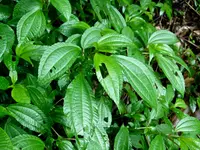
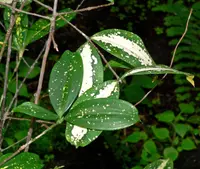
Its leaves are narrow, glossy, and deep green, speckled with yellow or cream spots that resemble splashed paint. Stems are cane-like and can form a loose, bamboo-like clump over time.

Dracaena surculosa is native to tropical regions of West and Central Africa, where it grows in shaded understories. It is generally considered easy to manage, as it tolerates indoor conditions and moderate neglect once established.

Those learning how to care for Gold dust dracaena should note its preference for bright, indirect light, lightly moist but not waterlogged soil, and stable indoor temperatures.

Main Plant Requirements

Care Difficulty

Easy Care

Light Preference

Bright Indirect Light

Water Requirements

Moderate Water

Temperature Preference

Tropical / Frost Sensitive

Hardiness Zone

11–12

Soil Texture

Loamy, Peaty, Organic-rich

Soil pH

Acidic (5.5–6.5), Slightly acidic (6.5–7.0)

Soil Drainage

Moist but well-drained

Fertilization

Light (every 4–6 weeks)

Get Personalized Care Plan

Scan your plant to receive care tips personalized for your specific plant

Personalized Care in the App

Available on iOS and Android

How to Care for the Gold dust dracaena

This species prefers bright, filtered light that mimics a lightly shaded understory habitat.

  • Provide 6–8 hours of bright, indirect light each day, such as near an east or north-facing window or under light shade outdoors.
  • Tolerates partial shade, but if light is too low new leaves of Gold dust dracaena lose their yellow spots and stems become sparse or leggy.
  • Protect from harsh midday and afternoon sun; strong sun through glass or unshaded south exposure can scorch leaves, especially in summer.

Dracaena surculosa prefers evenly moist but not saturated soil with slight drying between waterings.

  • Allow the top 2–4 cm of soil to dry before watering again; use your finger to check rather than following a fixed calendar schedule.
  • In spring and summer, expect to water more often; in fall and winter, extend the interval as growth slows and evaporation drops.
  • Watch for soft, yellowing lower leaves and a sour soil smell as signs of overwatering, and crisp leaf tips or folding leaves as signs of underwatering; always use free-draining soil.

This plant grows best in stable, warm conditions without sudden temperature swings.

  • Aim for 65–80°F (18–27°C) for active growth; it tolerates brief highs near 85°F (29°C) if humidity and soil moisture are not extremely low.
  • Avoid temperatures below 55°F (13°C); foliage damage often appears around 50°F (10°C), and the plant is not frost hardy at all.
  • In cooler seasons, keep it away from cold drafts, open windows, or unheated porches, and in hot spells protect from hot, dry air near heaters or sun-baked walls.

This species prefers moderate indoor humidity but adapts to many home conditions.

  • Aim for 40–60% humidity to keep foliage spotting and leaf tip browning to a minimum.
  • Gold dust dracaena tolerates short periods of drier air but prolonged levels under 30% can cause curling leaves and crispy edges.
  • Increase humidity with a nearby humidifier or clustered plants rather than misting, which adds very little lasting moisture.

Soil for this species should be loose, aerated, and fast-draining yet able to hold some moisture.

  • Use a peat- or coco-based potting mix amended with 20–30% perlite and/or fine bark for structure and airflow.
  • Aim for slightly acidic to neutral pH, around 6.0–7.0, which supports balanced nutrient availability for Dracaena surculosa.
  • Ensure drainage is rapid; water should drain from the pot within seconds, not pool on the surface or in the saucer.
  • Avoid heavy garden soil, pure compost, or mixes with large amounts of clay that compact, stay wet, and encourage root rot.

This species is well suited to container growing in homes and offices.

  • Choose a pot just 2–4 cm wider than the root ball to keep the mix drying evenly and reduce the risk of waterlogged roots.
  • Select a stable, heavier container if stems lean or spread, so the plant does not tip as foliage becomes dense.
  • Use a pot material that matches your watering habits, such as porous terracotta to dry faster in low-light, cooler rooms.

Dracaena surculosa responds well to light, consistent feeding during its active growing season.

  • Use a balanced liquid fertilizer (around 10-10-10 or 20-20-20) diluted to 1/4–1/2 strength for Gold dust dracaena.
  • Feed every 4–6 weeks in spring and summer when growth is active.
  • Stop or reduce feeding to once in 8–10 weeks in fall and winter, especially in low light.
  • Slow-release pellets or a thin layer of mature compost can substitute for frequent liquid feeds.

Dracaena surculosa benefits from light, periodic pruning to maintain shape and plant health.

  • Schedule pruning in late winter or early spring, just before new growth starts.
  • Remove dead, yellowing, or damaged leaves and stems first using clean, sharp scissors or pruners.
  • Cut back leggy or crowded stems above a node to encourage branching and a fuller form.
  • Pinch or trim only a little at a time to avoid sudden loss of foliage and stress to the plant.

This species prefers slightly tight conditions, so repotting is infrequent but still important for long-term health.

  • Repot every 2–3 years, or when roots circle the pot, emerge from drainage holes, or growth slows noticeably.
  • Plan repotting for spring, when Dracaena surculosa resumes active growth and recovers faster from root disturbance.
  • Choose a pot only 2–5 cm wider with drainage holes and use a well-drained, peat-free, or peat-reduced indoor mix.
  • Handle roots gently, loosen circling roots slightly, water thoroughly after potting, and keep in bright, indirect light for 1–2 weeks to reduce stress.

Dracaena surculosa is commonly propagated from stem cuttings taken from healthy, mature plants.

  • Take 8–12 cm stem sections with at least 2–3 nodes in late spring or early summer.
  • Remove lower leaves, then place cuttings in water or a moist, free-draining mix such as perlite and peat-free compost.
  • Maintain warm temperatures around 70–80°F, bright indirect light, and high humidity to support root formation.
  • After strong roots form, pot each cutting individually and resume normal watering and Gold dust dracaena indoor care.

This tropical species is frost-sensitive and requires indoor protection in regions with cold winters.

  • Move container plants indoors before temperatures drop below 50°F, choosing a bright, draft-free spot.
  • Maintain indoor temperatures of 60–75°F and avoid cold windowsills or heater blasts.
  • Water less often in winter, letting the top 3–5 cm of soil dry to prevent root rot in cool conditions.
  • In mild climates without frost, outdoor plants still benefit from a light mulch layer to buffer root temperatures.

Care Tips

Rotate For Symmetry

Turn the pot 90° every 2–3 weeks so stems receive even light, which keeps the plant compact and prevents it from leaning strongly to one side.

Use Multi-Stem Support

Group several thinner canes together and loosely tie them to a slim stake or moss pole to keep the plant upright while still allowing its natural arching habit.

Encourage Bushy Growth

When a cane becomes too tall or bare, cut it just above a node and plant the healthy top cutting back into the same pot to thicken the clump over time.

Surface Root Check

Every few months gently brush back the top 1–2 cm of mix to make sure roots are not circling tightly at the surface, which signals it is time for a slightly larger pot.

Prevent Fluoride Stress

If leaf tips regularly brown despite correct watering, switch to rainwater, distilled, or filtered water with low fluoride to avoid this species’ sensitivity when growing Gold dust dracaena.

Common Pests and Diseases

Spider mites

This pest feeds on the undersides of leaves, causing fine stippling, dull foliage, and sometimes thin webbing between leaves and stems.

Solution

Rinse foliage thoroughly with lukewarm water, including leaf undersides, then repeat every few days; for heavier infestations, use insecticidal soap or a ready-to-use horticultural oil, ensuring full coverage but keeping the plant out of direct sun until leaves are dry.

Mealybugs

These insects appear as white cottony clusters in leaf axils, on stems, and along leaf midribs, causing yellowing, leaf drop, and sticky honeydew on nearby surfaces.

Solution

Physically remove visible insects with a cotton swab dipped in 70% isopropyl alcohol, then wash the plant and follow up with several applications of insecticidal soap at 7–10 day intervals, isolating the plant from others until no new insects appear.

Scale insects

These insects form small brown or tan bumps on stems and leaf veins, drawing sap and leading to slow decline, yellowing, and honeydew buildup that can support sooty mold growth.

Solution

Gently scrape off or wipe away scale with a soft cloth or cotton swab dipped in alcohol, prune heavily infested stems, then treat remaining areas with horticultural oil to smother lingering juveniles and repeat once or twice as new crawlers emerge.

Fluoride leaf tip burn

Symptoms include brown, dry tips and margins on older leaves while new leaves may look relatively healthy, often triggered by fluoride and other salts in tap water or excessive synthetic fertilizer.

Solution

Use filtered, distilled, or rainwater for irrigation, allow tap water to sit 24 hours before use when possible, leach the potting mix thoroughly every 1–2 months, and avoid high-fluoride fertilizers designed for turf or outdoor ornamentals.

Leaf spot disease

This disease causes irregular brown or black spots, sometimes with yellow halos, most often when foliage stays wet in low airflow conditions.

Solution

Remove and discard affected leaves, avoid overhead watering, increase air circulation around the plant, and if spotting continues, apply a copper- or chlorothalonil-based fungicide labeled for houseplants, following label directions carefully for Dracaena surculosa plant care.

Interesting Facts

Naturally spotted leaves

This species develops its yellow leaf spots genetically, not from nutrient deficiency or disease, and the spotting pattern varies strongly between individual plants and even between leaves on the same stem.

Thicket-forming habit

In its native African habitats, this plant spreads by short, branching stems and produces upright leafy shoots from the base, forming loose thickets in the shaded understory rather than a single trunk.

Flower and berry cycle

Mature plants can produce small, fragrant, star-shaped flowers on slender stalks, which are followed by round berries that turn from green to orange-red as they ripen.

Botan icon

Did you know?

Unlike many dracaena species that evolved in more open or drier sites, this species is naturally adapted to deep shade in tropical forest understories, which is why it tolerates low indoor light levels better than many other foliage houseplants.

FAQs about Gold dust dracaena

Brown tips usually come from low humidity, inconsistent watering, or fluoride and salts building up in tap water. Use filtered or rested water, keep soil lightly moist, increase humidity, and trim damaged tips with clean scissors.

Grow Healthy Plants with Botan Care

Keep your plants happy and healthy with plant identification, disease detection, and easy care guidance.

Botan plant care app — identify plants on mobile

Explore More Plants