Mexican Butterwort Care (Pinguicula moranensis)

About Mexican Butterwort

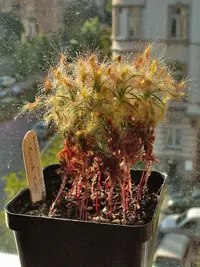
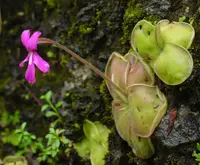
Mexican butterwort (Pinguicula moranensis) is a small carnivorous plant that forms flat rosettes of soft, sticky leaves. The leaves trap tiny insects, which supply extra nutrients. In its native habitat of Mexico and Central America, it often grows on rocky slopes, cliffs, and mossy surfaces where soil is thin and mineral-poor.

The plant produces delicate, usually purple, funnel-shaped flowers held above the leaves. It prefers bright, indirect light, constant light moisture, and an airy, low-nutrient growing mix. Many growers find it one of the easier butterwort species, but success depends on understanding how to care for Mexican Butterwort, especially its need for low-mineral water and careful moisture management.

Main Plant Requirements

Care Difficulty

Moderate Care

Light Preference

Bright Indirect Light

Water Requirements

Keep Soil Moist

Temperature Preference

Tropical / Frost Sensitive

Hardiness Zone

10–11

Soil Texture

Sandy, Peaty, Organic-rich

Soil pH

Acidic (5.5–6.5), Slightly acidic (6.5–7.0)

Soil Drainage

Moist but well-drained

Fertilization

Minimal (feed rarely)

Get Personalized Care Plan

Scan your plant to receive care tips personalized for your specific plant

Personalized Care in the App

Available on iOS and Android

How to Care for the Mexican Butterwort

This carnivorous plant prefers bright, indirect light with some gentle direct sun.

  • Provide 4–6 hours of bright, filtered light daily; morning sun with afternoon shade suits Mexican Butterwort well.
  • Outdoors, give dappled shade under taller plants; indoors, place near an east or bright north window, or behind a sheer curtain in south or west light.
  • Avoid harsh midday sun that causes leaf bleaching or crisping, and increase light gradually in spring to prevent shock.

Pinguicula moranensis prefers evenly moist, not waterlogged, conditions.

  • Use low-mineral water (rain, distilled, or reverse osmosis) and let the top 2–3 cm of substrate just start to feel less wet before watering again.
  • In active growth, maintain a slightly damp tray or saucer; in winter or when leaves are smaller and succulent-like, reduce water so the mix is only lightly moist.
  • Watch for yellow, translucent leaves as a sign of overwatering and dry, curling leaves as an early sign of underwatering; always use a fast-draining, airy carnivorous mix.

This species prefers mild, frost-free temperatures with modest seasonal variation.

  • Aim for 65–80°F (18–27°C) during active growth, with only slight night drops to keep metabolism stable.
  • Avoid temperatures below 40°F (4°C); brief light chills may be tolerated, but hard frost damages leaves and can kill the crown.
  • In hot weather above 86°F (30°C), increase air movement and shade; prolonged heat over 95°F (35°C) stresses the plant and can reduce carnivorous leaf production.

This species prefers moderate humidity but adapts to typical indoor levels if not kept too hot.

  • Aim for 40–60% humidity; levels consistently below 30% can slow growth and reduce leaf stickiness in Mexican Butterwort.
  • Dry air stress shows as curled leaf edges, reduced insect-trapping mucus, and browning at leaf tips.
  • Increase humidity with a nearby open tray of water and pebbles, grouped plants, or a room humidifier rather than misting the leaves.

This carnivorous plant needs a very airy, lime-free, low-nutrient mix that never becomes compacted.

  • Use a loose blend such as 2 parts perlite or pumice to 1 part peat or fine coco coir, optionally with fine sand for extra structure.
  • Ensure rapid drainage so water flows through in seconds, leaving the mix moist but never waterlogged or muddy.
  • Keep pH slightly acidic to neutral (about 5.5–7); avoid any mix with added fertilizer, compost, or manure.
  • Improve aeration by using coarse, irregular particles (perlite, pumice, grow-stones) and avoid dense garden soil or standard houseplant potting mix.

This species is very suitable for container growing due to its shallow roots and compact rosettes.

  • Choose a wide, shallow pot that provides horizontal space for rosettes while keeping the root zone close to the surface where it dries faster.
  • Select plastic or glazed ceramic to slow evaporation, which helps maintain the consistently moist but not soggy substrate this plant prefers.
  • Use a pot with multiple small drainage holes so flushes of low-mineral water can quickly remove accumulated salts without leaving stagnant pockets.

This carnivorous species gains most nutrients from prey, so Mexican Butterwort indoor care needs only very light supplemental feeding.

  • During active growth, apply a very dilute (1/4–1/8 strength) balanced NPK orchid or carnivorous plant fertilizer to the soil, never on leaves.
  • Feed no more than every 4–6 weeks in spring–summer, skipping applications if the plant catches plenty of insects.
  • Avoid composts or slow‑release fertilizers, which can burn roots and disrupt the low‑nutrient substrate.
  • Stop feeding completely during winter rosette or dormancy, when nutrient demand is minimal.

Pinguicula moranensis needs only minimal pruning focused on hygiene rather than shaping.

  • Any time of year, gently remove dead, blackened, or moldy leaves by pulling them away at the base with clean fingers or tweezers.
  • In late winter or early spring, clear away old winter rosette leaves to reduce mold and make space for new growth.
  • Remove spent flower stalks once they fade to redirect resources to leaf and root health.
  • Avoid cutting into the crown; this small growing point is essential for future rosettes and flowers.

Repotting Pinguicula moranensis is infrequent but important to maintain an airy, low‑nutrient substrate.

  • Repot every 1–2 years or when growth slows, the mix compacts, or roots and offsets fill the pot.
  • Choose late winter to early spring, just before strong new growth, to reduce transplant stress.
  • Use a shallow pot and very open mix, such as 1:1 perlite:pumice or perlite:vermiculite, avoiding peat with added fertilizer.
  • Handle the root system gently, keeping the crown above the mix, then water lightly and keep shaded for a few days while it re-establishes.

This species is commonly propagated vegetatively to maintain desirable traits and flower color.

  • Best methods are leaf pullings and division of clumps; seeds are slower and more variable.
  • In late winter or spring, gently detach healthy outer leaves with a small piece of white basal tissue attached.
  • Lay leaves on barely moist, sterile, low‑nutrient mix under bright, indirect light and high humidity (50–70%).
  • New plantlets usually emerge at the leaf base in a few weeks; separate and pot individually once they form several leaves.

Pinguicula moranensis is not frost hardy and requires a cool, protected winter rest in most climates.

  • Maintain temperatures around 45–60°F indoors or in a cool greenhouse; avoid any hard frost on foliage or roots.
  • Reduce watering significantly in winter rosette phase, keeping the mix just barely moist, never waterlogged.
  • Grow in bright, indirect light indoors, away from cold drafts and freezing window glass.
  • Outdoor container plants in mild areas should be moved inside before nighttime temperatures drop near freezing.

Care Tips

Seasonal Rosette Check

Mark the start of autumn on your calendar and inspect rosettes weekly; when leaves begin to thicken and lose stickiness, gradually reduce watering and feeding to match the plant’s dry winter growth phase.

Top-Dressing Refresh

Every 6–12 months, gently remove the top 0.5–1 cm of old mineral mix and replace it with fresh pumice or fine gravel to keep the crown dry, reduce algae, and maintain good gas exchange around the roots.

Insect Feeding Strategy

Instead of placing large insects directly on leaves, offer several small, soft-bodied insects (like fruit flies or small gnats) spaced across the rosette to reduce leaf damage and distribute nutrients more evenly.

Tray Water Management

Use a shallow tray with a ridged bottom or a thin layer of coarse gravel so pots never sit flat in stagnant water, which keeps the mineral medium moist while lowering the risk of root and crown rot.

Division And Labeling

When offsets form around the mother rosette, divide them only at the start of active growth in spring, pot each in a small, airy mineral mix, and label with date and cultivar or locality to track performance and refine caring for Mexican Butterwort over time.

Common Pests and Diseases

Fungus gnats

These insects thrive in constantly moist carnivorous soil mixes and their larvae feed on algae, decaying matter, and fine roots around the plant crown.

Solution

Allow the surface of the potting mix to dry slightly between waterings, use a well-drained, low-organic medium, and bottom-water instead of keeping the pot standing in deep trays; if adults persist, use yellow sticky traps and a biological control like Bacillus thuringiensis israelensis (BTi) according to label directions.

Aphids

These insects are attracted to the softer growth and can cluster on new leaves or flower stalks, sucking sap and distorting tissue even though many individuals become trapped on the sticky leaves.

Solution

Remove heavily infested flower stalks, rinse accessible growth gently with room-temperature water, and if needed use a diluted insecticidal soap or horticultural oil sprayed carefully around but not excessively over the sensitive leaf surface, repeating after 5–7 days if live aphids remain.

Botrytis (gray mold)

This disease develops in cool, stagnant, very humid air, causing soft, mushy leaves and gray fuzzy mold, especially on old winter leaves or dead insects left on the plant.

Solution

Improve air movement around the plant, promptly remove dead leaves and trapped insect remains, reduce overhead misting, and in early stages trim out affected tissue and allow the plant to dry slightly; in severe, spreading cases a sulfur-free fungicide labeled for ornamentals can be used with care following product instructions for Mexican Butterwort indoor care.

Crown rot

This disease affects the tight center of the rosette when moisture and poorly draining media keep the crown wet and airless, leading to browning and collapse from the middle outward.

Solution

Unpot the plant, cut away all soft or blackened tissue, and replant only firm, healthy parts into a very airy mix (such as mineral-based media) while reducing watering until new growth appears; increase ventilation and avoid letting water sit for long on the crown.

Interesting Facts

Seasonal leaf switch

This species produces two distinct leaf types: flat, sticky carnivorous leaves during the wet season and compact, succulent, non-carnivorous leaves in the dry season, allowing it to survive strong seasonal drought in its native Mexican habitats.

Rock-dwelling insect trap

It often grows on vertical limestone cliffs, mossy rock faces, and shaded canyon walls, where its adhesive leaves trap small insects that are scarce in the thin, nutrient-poor soils coating the rock surface.

Color-shifting rosettes

Under strong light, many forms develop intense pink to reddish leaf coloration from protective pigments called anthocyanins, while in lower light the same plants stay mostly green with only a slight blush.

Botan icon

Did you know?

Some natural populations of this species show striking floral polymorphism, with plants in the same locality producing flowers that differ markedly in size, color intensity, and petal shape, which has contributed to its frequent misidentification and taxonomic confusion within the genus Pinguicula.

FAQs about Mexican Butterwort

Lack of flowering usually comes from insufficient seasonal change. This species needs a cooler, drier winter rest to form flower buds. Inconsistent daylength, poor nutrition, or recent repotting can also delay or reduce bloom production.

Grow Healthy Plants with Botan Care

Keep your plants happy and healthy with plant identification, disease detection, and easy care guidance.

Botan plant care app — identify plants on mobile

Explore More Plants