Lenten rose Care (Helleborus orientalis)

About Lenten rose

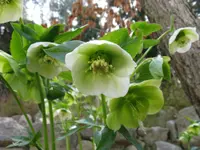
Lenten rose, Helleborus orientalis, is a long-lived, evergreen perennial grown mainly for its late winter to early spring flowers. It forms a low clump of leathery, divided leaves and nodding cup-shaped blooms in shades of white, pink, purple, or speckled tones.

This species is native to woodlands and scrub in Greece and surrounding regions, where it thrives in cool, sheltered sites. It prefers partial shade, consistent moisture, and fertile, well-drained soil.

Its early flowering, shade tolerance, and cold hardiness make it a reliable garden plant once established. Understanding how to care for Lenten rose helps gardeners enjoy dependable blooms with relatively low maintenance.

Main Plant Requirements

Care Difficulty

Moderate Care

Light Preference

Partial Shade

Water Requirements

Moderate Water

Temperature Preference

Cold Hardy

Hardiness Zone

4–9

Soil Texture

Loamy, Clay, Organic-rich

Soil pH

Acidic (5.5–6.5), Slightly acidic (6.5–7.0)

Soil Drainage

Moist but well-drained

Fertilization

Minimal (feed rarely)

Get Personalized Care Plan

Scan your plant to receive care tips personalized for your specific plant

Personalized Care in the App

Available on iOS and Android

How to Care for the Lenten rose

This shade-tolerant perennial prefers cool, filtered light rather than strong direct sun.

  • Provide 2–4 hours of gentle morning sun with dappled or bright open shade the rest of the day for Lenten rose.
  • Site plants where they are protected from harsh afternoon sun; strong summer sun can scorch foliage and fade flowers.
  • In hot summers, increase shade as trees leaf out; in cooler climates, allow more early spring sun to encourage flowering.

This perennial prefers steadily moist, well-drained soil rather than extremes of drought or saturation.

  • Water when the top 3–5 cm of soil feel dry, aiming for evenly moist soil that never stays soggy.
  • Use rich, well-draining soil; standing water around roots increases risk of rot and yellowing foliage.
  • In spring and early summer, monitor moisture closely as new growth forms; in fall and winter, reduce watering but prevent soil from fully drying and leaves from wilting.

This hardy perennial thrives in cool to mild conditions and tolerates substantial winter cold.

  • Optimal growth occurs around 40–70°F (4–21°C), with strongest flowering in cool late winter and early spring.
  • Established plants tolerate short dips to about 0°F (-18°C) with snow cover; prolonged colder spells may damage buds but usually spare roots.
  • Heat tolerance is moderate; in spells above 85°F (29°C), provide shade and mulch to keep soil cooler and reduce stress.

This species handles typical outdoor humidity well, so humidity management is rarely critical.

This perennial prefers deep, moisture-retentive yet free-draining soil to support long-term clump growth.

  • Use a loamy structure with high organic matter, combining garden loam, leaf mold or compost, and a small amount of sharp grit or sand.
  • Aim for slightly acidic to neutral pH, around 6.0–7.0, as strongly alkaline soils can restrict nutrient uptake.
  • Improve drainage and aeration in heavy clay by incorporating coarse bark fines, grit, and well-rotted compost, never peat-only mixes.
  • Avoid compacted, waterlogged, or very shallow soil profiles, as Helleborus orientalis resents standing water around its crowns and roots.

This species can grow successfully in containers when root depth and drainage are carefully managed.

  • Select a tall, stable pot that is at least 30 cm deep to accommodate its downward-growing, fleshy roots and prevent tipping in wind.
  • Choose a thick-walled terracotta or heavy ceramic container in hot climates to moderate root temperature and reduce rapid moisture loss.
  • Raise the pot on feet or bricks to keep drainage holes clear, preventing water from pooling under the base and saturating the lower root zone.

This long-lived perennial benefits from modest feeding rather than heavy fertilizer applications.

  • Apply a light top-dressing of compost or well-rotted manure around Lenten rose clumps in early spring, avoiding direct contact with crowns.
  • Use a balanced slow-release fertilizer (around 10-10-10) once in early spring at label rate or slightly weaker.
  • In mid to late summer, supplement only if growth appears weak or soil is very poor, using half-strength balanced liquid feed.
  • Stop feeding in late fall and through winter when growth slows, to avoid soft, frost-prone tissue.

Thoughtful pruning keeps Helleborus orientalis healthy, tidy, and less prone to foliar disease.

  • In late winter to very early spring, cut back old, spotted, or diseased leaves at the base before new flower stalks emerge.
  • Remove dead, damaged, or crossing stems after flowering to maintain an open, upright clump and improve air movement.
  • Deadhead spent flower stalks if self-seeding is not desired, using clean, sharp hand pruners or scissors.
  • Disinfect blades when removing diseased tissue to reduce spread of leaf spot or other pathogens.

This hellebore is usually grown in the ground and dislikes frequent disturbance, so transplant only when clearly needed.

  • Consider moving or dividing plants only every 5–10 years, when flowering declines or clumps become congested.
  • Transplant in early spring or early fall, keeping a generous root ball and as much surrounding soil as possible.
  • Water thoroughly before and after moving to reduce shock, and keep soil evenly moist until growth resumes.
  • Mulch lightly around the new site to stabilize soil moisture and temperature, but keep mulch off the crown to prevent rot.

Helleborus orientalis is most commonly propagated by division or from seeds, though both methods are slow to maturity.

  • Divide established clumps in early fall or very early spring, lifting with a fork and cutting into sections with several buds each.
  • Replant divisions immediately at the same depth in well-drained, humus-rich soil, watering well to settle roots.
  • For seed propagation, sow fresh seed in pots or trays outdoors in summer so it experiences natural cold stratification.
  • Maintain evenly moist, cool conditions; seedlings may take several months to appear and 2–3 years to reach flowering size.

This hellebore is generally cold hardy in much of the US and needs minimal winter intervention in the ground.

  • Tolerates frost and light freezes once established, especially in well-drained soil.
  • Apply a 5–8 cm layer of mulch in late fall to insulate roots, keeping mulch away from the crown.
  • In very cold or exposed sites, provide a simple windbreak or light leaf cover over young plants.
  • Move container-grown plants into a sheltered, unheated area where soil stays cold but does not freeze solid for long periods.

Care Tips

Late winter cleanup

In late winter, remove all old, spotted, or leathery leaves at the base before flower stalks elongate to reduce fungal spore load and show off clean blooms.

Mulch collar method

Apply a thin, 2–3 cm ring of fine compost or leaf mold around but not touching the crown each autumn to protect buds, keep soil moisture even, and avoid crown rot.

Seedling management

Mark clumps in bloom, then in late spring either thin dense self-sown seedlings to leave 10–15 cm spacing or gently lift and transplant them to new sites while they are still small.

Summer shade protection

In hotter regions, use nearby deciduous shrubs or temporary shade cloth to protect plants from intense afternoon sun in midsummer, which prevents leaf scorch and stress.

Targeted slug control

Place beer traps or iron phosphate slug pellets around emerging buds and young leaves in late winter and early spring, since protecting this growth stage is critical for caring for Lenten rose long term.

Common Pests and Diseases

Black death

This disease causes severe black streaking and distortion on leaves, flower stalks, and buds, often leading to plant decline. Symptoms include dark, inky lines along veins and deformed, stunted growth.

Solution

Remove and destroy the entire affected plant including roots as soon as symptoms are confirmed, and do not replant hellebores in the same soil for several years. Disinfect tools, avoid overhead watering, and source new plants from reputable nurseries that follow strict Helleborus orientalis care practices to limit virus spread.

Leaf spot

This disease causes brown to black spots on leaves, sometimes with a lighter center and yellow halo, and can lead to premature leaf drop. Symptoms include a spotted, tatty appearance on older foliage, especially after wet weather.

Solution

Cut off and discard affected leaves promptly and keep fallen debris cleaned up to reduce fungal spores. Improve air circulation, water at soil level, and in severe or recurring cases apply a targeted ornamental-fungus spray labeled for hellebores in early spring following label directions.

Aphids

These insects cluster on tender new growth and flower stalks, sucking sap and causing curling, distortion, and sticky honeydew. This pest can also transmit viruses between plants.

Solution

Blast colonies off with a firm stream of water, then check undersides of leaves weekly in spring. If numbers stay high, treat with insecticidal soap or a light horticultural oil, applied thoroughly to growing tips and stems while avoiding spraying in full, hot sun.

Vine weevils

This pest damages plants in both adult and larval stages, with adults notching leaf edges and larvae feeding on roots and crowns. Severe larval feeding can cause sudden wilting and plant collapse, especially in containers.

Solution

Inspect leaves at night and hand-pick adult beetles, shaking plants gently over a sheet to catch them. For long-term control, apply beneficial nematodes to the soil in late summer or early fall according to product directions to target the root-feeding larvae.

Downy mildew

This disease produces yellow to pale patches on upper leaf surfaces with grayish to white fuzz on the undersides, often in cool, damp conditions. Symptoms include weakened growth and a dull, unhealthy leaf appearance.

Solution

Remove and destroy affected leaves, avoid overhead watering, and space plants so foliage dries quickly after rain. In persistent cases, use a suitable downy mildew fungicide labeled for ornamental plants, rotating products if repeated treatments are needed to reduce resistance risk.

Interesting Facts

Winter-blooming strategy

This species flowers in late winter to early spring, often when snow is still present, using cool-tolerant floral tissues and early nectar production to attract the few active pollinators at that time of year.

Downward-facing flowers

The nodding, downward-facing flowers help protect pollen from rain and late frosts, while also creating a sheltered space that can slightly increase temperature around visiting insects.

Long-lasting sepals

What look like petals are actually thick, colored sepals that can persist for several months, allowing the plant to continue photosynthesis and seed development after true petals and nectaries have withered.

Botan icon

Did you know?

Helleborus orientalis and its hybrids have been extensively used in modern breeding programs, creating a diverse complex of garden hellebores with a wide range of flower colors, spots, and patterns that largely trace back to this single species as a core genetic parent.

FAQs about Lenten rose

Lack of flowers often comes from deep shade, recent division or planting, or nutrient-poor soil. Young plants may need 2–3 years to flower. Avoid heavy disturbance and keep old foliage until new buds are visible.

Grow Healthy Plants with Botan Care

Keep your plants happy and healthy with plant identification, disease detection, and easy care guidance.

Botan plant care app — identify plants on mobile

Explore More Plants