Creeping Primrose-willow Care (Ludwigia repens)

Also known as: Needle-leaf Ludwigia

About Creeping Primrose-willow

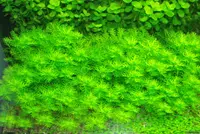
Creeping primrose-willow (Ludwigia repens) is a low-growing aquatic or semi-aquatic plant often used in ponds, water gardens, and aquariums. It naturally occurs in shallow freshwater habitats across parts of the Americas.

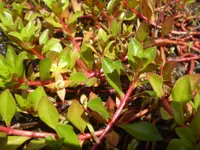
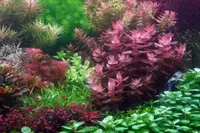
The plant forms spreading mats or trailing stems with small, opposite leaves that can range from green to reddish, especially under stronger light. Its creeping habit makes it useful for groundcover in wet areas and for softening pond edges.

Ludwigia repens is generally considered easy to grow when given consistent moisture, good light, and nutrient-rich, muddy or sandy substrates. Understanding how to care for Creeping Primrose-willow helps prevent it from becoming invasive in warm, low-flow water bodies.

Main Plant Requirements

Care Difficulty

Moderate Care

Light Preference

Partial Sun

Water Requirements

Aquatic

Temperature Preference

Tropical / Frost Sensitive

Hardiness Zone

9–11

Soil Texture

Loamy, Silty, Organic-rich

Soil pH

Acidic (5.5–6.5), Slightly acidic (6.5–7.0)

Soil Drainage

Waterlogged tolerant

Fertilization

Moderate (every 2–4 weeks)

Get Personalized Care Plan

Scan your plant to receive care tips personalized for your specific plant

Personalized Care in the App

Available on iOS and Android

How to Care for the Creeping Primrose-willow

This aquatic and marginal plant prefers bright light to maintain compact growth and rich red coloration.

  • Provide 6–10 hours of light daily; full morning sun with light afternoon shade suits most outdoor ponds and slow-moving streams.
  • Creeping Primrose-willow tolerates partial shade, but stems may elongate and leaf color turns greener when light drops below about 4–5 hours of direct sun.
  • In summer, protect from intense all-day sun in very shallow water to reduce leaf scorch and overheating, especially during heatwaves.

This species naturally grows in shallow water and along shorelines, so constant moisture is essential.

  • In ponds or aquariums, roots should stay submerged or in saturated substrate; avoid exposing roots to drying air or rapidly fluctuating water levels.
  • In very wet soil at the water’s edge, let only the top 1–2 cm feel slightly less soggy before re-flooding or thorough soaking.
  • Watch for yellowing, mushy stems as a sign of poor drainage or stagnant water, and crisping, wilting tips as a sign stems have been left too dry.

This warm-temperate aquatic plant grows best in mild to warm conditions without frost.

  • Optimal growth occurs around 72–82°F (22–28°C), where stems elongate steadily and foliage colors develop well in ponds or aquariums.
  • The plant can survive short drops to about 50°F (10°C) but growth slows sharply; prolonged exposure below this weakens stems and can cause dieback.
  • Avoid frost, as tissue is easily damaged near 32°F (0°C), and protect from extreme heat above 90°F (32°C) by providing shade and adequate water depth.

This aquatic species tolerates a wide humidity range, so air humidity is rarely a limiting factor for Ludwigia repens.

For rooted emersed culture, provide nutrient-rich, slightly acidic to neutral, well-drained yet moisture-retentive substrate.

  • Use a fine loam or clay-based mix with 30–50% organic matter such as composted bark or leaf mold.
  • Maintain pH around 6.0–7.2 to support nutrient uptake and reduce micronutrient lockout.
  • Add coarse sand or fine gravel (10–20%) to improve structure, prevent compaction, and stabilize stems in shallow water.
  • Avoid compacted, peat-only, or highly alkaline substrates, which restrict roots and encourage rot or nutrient deficiency.

This species adapts well to container culture, especially in ponds, tubs, or large aquatic planters.

  • Choose a wide, shallow container so creeping stems can spread horizontally while roots remain fully submerged or consistently saturated.
  • Use a heavy substrate layer topped with fine gravel to anchor stems and prevent soil from clouding the water when disturbed.
  • Place the container where water movement is gentle so stems stay stable and are not uprooted by strong currents when you grow Ludwigia repens.

Ludwigia repens benefits from moderate, consistent nutrition during active growth in warm months.

  • Use a balanced NPK aquatic or general-purpose liquid fertilizer at 1/4–1/2 strength for rooted or floating stems.
  • Feed every 2–4 weeks during the growing season, adjusting based on growth rate and leaf color when caring for Creeping Primrose-willow.
  • Skip or greatly reduce feeding in winter or dormancy when growth slows and nutrient demand drops.
  • Avoid heavy, fast-release products; in outdoor plantings, rely mainly on organic matter or compost in the soil.

Thoughtful pruning keeps Ludwigia repens dense, healthy, and within bounds in aquariums or ponds.

  • Trim during active growth in spring to early fall, avoiding large cuts in cold or dormant periods.
  • Use clean, sharp scissors or aquascaping shears to remove dead, damaged, or pale stems near the base.
  • Cut back tall, leggy shoots to encourage bushier side growth and a more compact, attractive stand.
  • Thin crowded patches to improve light penetration and water flow, reducing algae buildup and rot risk.

This species is usually grown rooted in substrate or natural soil rather than as a long-term potted specimen.

  • Transplant when stems form dense, tangled mats, growth slows, or roots heavily fill the planting zone.
  • Best timing is spring to early summer, when water temperatures rise and recovery is fastest.
  • Every 6–12 months, lift crowded clumps, trim long roots lightly, and replant healthy stems in fresh substrate or soil.
  • Handle roots gently, keep them moist during the move, and avoid sudden light or water-parameter changes to limit stress.

Ludwigia repens is commonly propagated by stem cuttings in aquariums and shallow water gardens.

  • Take 7–10 cm stem cuttings from strong, disease-free shoots in spring to early fall.
  • Remove lower leaves, then plant cuttings into fine aquarium substrate or soft mud, or let them float to root.
  • Provide bright light, stable water conditions, and moderate nutrients to encourage quick rooting and new shoots.
  • Seed propagation is possible but slower; maintain warm, shallow water and fine, silty soil for germination.

In mild climates and indoor tanks, Ludwigia repens needs minimal winter care, but it is sensitive to hard frost.

  • In outdoor ponds, it may die back in freezing conditions; allow natural dieback of tender stems.
  • Mulch shallow, soil-grown margins with 5–8 cm organic mulch in cooler zones to buffer root-zone temperature.
  • Move container or aquarium setups indoors where water stays above 60°F, with adequate light and stable conditions.

Care Tips

Regular stem topping

Pinch or cut back the tallest stems just above a leaf node every 1–2 weeks to keep the stand compact and encourage dense lateral branching rather than tall, sparse growth.

Replant vigorous cuttings

Select the healthiest, freshly cut stem tips and replant them into the substrate immediately to thicken the group and maintain a uniform, bushy appearance over time.

Staggered height layout

Arrange stems in a gentle slope from back to front in the aquarium, placing the longest stems at the rear and shorter cuttings toward the front to maximize light capture for each layer and reduce lower leaf drop.

Gradual environment changes

When adjusting COâ‚‚, light intensity, or nutrient dosing, make changes in small weekly steps rather than sudden shifts to avoid stress-related melting or leaf loss in established stands.

Routine debris removal

Use aquascaping tweezers or a small siphon during water changes to remove shed leaves lodged between stems, which improves flow and reduces biofilm buildup while caring for Creeping Primrose-willow.

Common Pests and Diseases

Aphids

These insects suck sap from young stems and leaves, causing twisted growth and reduced vigor, especially on emergent or marginal shoots. Symptoms include sticky honeydew on foliage and sometimes sooty mold growth on the residue.

Solution

Rinse affected stems and leaves under a gentle stream of water, repeating over several days to dislodge insects. For persistent infestations, use a dilute, aquarium-safe insecticidal soap on emersed growth only, and prune heavily infested shoots to reduce population pressure.

Spider mites

These pests thrive on emersed or high-heat setups, stippling leaves and causing a dull, dusty appearance followed by yellowing and leaf drop. Very fine webbing may appear between leaves and stems above the waterline.

Solution

Increase ambient humidity around emergent growth and gently spray or rinse foliage to knock mites off. Remove badly damaged stems and, if needed, treat emersed parts with a mild miticide or insecticidal soap that will not contaminate tank water, keeping treatments away from fish and invertebrates.

Nutrient deficiency chlorosis

Symptoms include yellowing leaves, often with green veins or pale new growth, reduced red coloration, and slow, stunted stems, typically due to inadequate iron or macronutrients in the water column. This condition is common in fast-growing stems kept under strong light without balanced fertilization.

Solution

Test aquarium water and adjust fertilization using a complete liquid fertilizer and, if needed, an iron supplement designed for aquatic plants. Maintain stable CO2 levels if used, avoid sudden light increases without matching nutrients, and trim weak, pale tops to encourage healthy, well-fed regrowth.

Algal overgrowth on leaves

This problem appears as green, brown, or hair-like coatings on leaves and stems, shading the plant and slowing growth. Symptoms include smothered lower leaves, poor color, and eventual leaf loss as the algae block light and gas exchange.

Solution

Manually remove affected leaves and gently wipe or pinch algae from stems, taking care not to crush tissue. Improve balance in the aquarium by stabilizing CO2, reducing excess light duration or intensity, and maintaining consistent macro and micronutrient dosing; adding appropriate algae-eating fish or shrimp can provide additional control.

Interesting Facts

Freshwater amphibious habit

This species naturally occurs along the margins of slow-moving streams and ponds in the southern United States and Mexico, where it can grow rooted and submerged under water or emersed with foliage above the surface. Its ability to switch between submerged and emersed forms helps it survive seasonal water-level changes in floodplain habitats.

Color shift with light

The leaves often remain green to bronze in shaded, nutrient-rich waters but can develop strong red to burgundy tones when exposed to higher light and adequate iron. This color change is due to increased production of protective pigments called anthocyanins, which help shield tissues from intense light.

Role in aquatic ecosystems

Dense stands provide shelter and foraging sites for small fish and aquatic invertebrates in natural waterways and in aquaria. The plant also contributes to nutrient uptake from the water column, which can slightly help limit the growth of nuisance algae when part of a balanced system.

Botan icon

Did you know?

Genetic and morphological studies indicate that this species has been introduced and naturalized in several regions outside its native range, including parts of Europe and Asia, where it can sometimes behave as a mild aquatic weed in canals and slow-flowing waters.

FAQs about Creeping Primrose-willow

This species spreads quickly by creeping stems and self-seeding, especially in shallow, moist soils or water margins. In suitable climates it can form dense mats and may need regular pruning or physical barriers to stay contained.

Grow Healthy Plants with Botan Care

Keep your plants happy and healthy with plant identification, disease detection, and easy care guidance.

Botan plant care app — identify plants on mobile

Explore More Plants