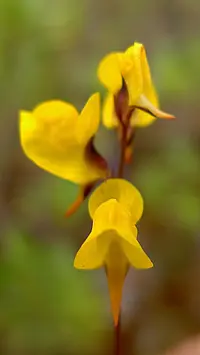
Dwarf rotala Care (Rotala rotundifolia)

Also known as: dwarf rotala

About Dwarf rotala

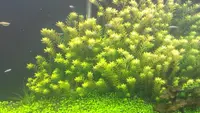
Dwarf rotala (Rotala rotundifolia) is a small, fast-growing aquatic stem plant widely used in freshwater aquariums. It forms dense, bushy groups with many fine leaves.

In good light, the foliage often turns pink to reddish, while in lower light it stays more green. Stems grow upright and then arch, creating soft, natural-looking shapes.

This species is native to Asia, where it grows in marshes, rice paddies, and shallow waterways that regularly flood. It adapts well to many aquarium setups, which makes it popular for aquascaping.

It prefers stable water conditions, moderate to strong light, and a nutrient-rich substrate. Consistent trimming and balanced nutrients are the main points to understand when learning how to care for Dwarf rotala.

Main Plant Requirements

Care Difficulty

Moderate Care

Light Preference

Partial Shade

Water Requirements

Aquatic

Temperature Preference

Tropical / Frost Sensitive

Hardiness Zone

Unknown

Soil Texture

Loamy, Silty, Organic-rich

Soil pH

Acidic (5.5–6.5), Slightly acidic (6.5–7.0)

Soil Drainage

Waterlogged tolerant

Fertilization

Moderate (every 2–4 weeks)

Get Personalized Care Plan

Scan your plant to receive care tips personalized for your specific plant

Personalized Care in the App

Available on iOS and Android

How to Care for the Dwarf rotala

This aquatic stem plant needs stable, bright light to maintain compact growth and strong color.

  • Provide 8–10 hours of moderate to high aquarium lighting daily; aim for even coverage across the planting area to avoid shaded, weak stems.
  • Allow only brief, indirect natural daylight; strong direct window sun can overheat the tank and cause algae rather than helping Rotala rotundifolia care instructions.
  • If stems grow pale, thin, or elongated, increase light intensity or duration; if leaves brown or algae coats them, slightly reduce intensity or photoperiod.

Rotala rotundifolia needs consistently clean, well-oxygenated aquarium water to thrive.

  • Maintain stable water levels so stems remain fully submerged; avoid letting tops repeatedly break the surface, which can cause dieback in transition zones.
  • Target moderate flow to keep nutrients and CO2 evenly distributed while preventing debris from settling around the stem bases and roots.
  • Watch for yellowing lower leaves and slow growth as signs of low CO2 or nutrient imbalance rather than simple underwatering, and adjust fertilization and gas supply as needed.

This species prefers stable, mild warmth and reacts poorly to sudden temperature swings.

  • Aim for 72–80°F (22–27°C) for steady growth; this range supports good color, steady metabolism, and reliable pearling under adequate light and nutrients.
  • Keep it above 64°F (18°C); prolonged exposure below this can slow growth sharply and cause leaf drop, especially in newly planted stems.
  • Avoid extremes above 84°F (29°C), which reduce dissolved oxygen and can stress stems; use a reliable heater and, in warm climates, consider a fan or chiller to limit spikes.

This aquatic stem plant prefers high humidity to keep emergent leaves healthy.

  • Aim for 70–90% humidity around emergent stems, especially in open-top or paludarium setups.
  • Tolerates brief dips to 50–60%, but prolonged dry air causes leaf edge browning, curling, and slower growth.
  • Increase humidity with a tight-fitting lid, shallow warm water below the plants, and minimal but regular gentle misting away from lights.

Rotala rotundifolia thrives rooted in fine, nutrient-rich substrates rather than coarse, inert media.

  • Use a fine-textured aquatic substrate or a mix of clay-based aquatic soil with 20–30% sand to anchor roots securely.
  • Ensure water-saturated yet well-structured soil so roots receive oxygen; avoid compacted, muddy bottoms that turn anaerobic.
  • Keep pH slightly acidic to neutral, around 6.0–7.0, to support nutrient uptake and stable growth.
  • Enrich with root tabs or organic-rich aquatic soil while preventing thick, undisturbed detritus layers that can smother lower stems.

This species is well suited to containers such as aquariums or paludarium planting zones.

  • Use a wide, shallow container section so stems can form dense groups without shading each other excessively.
  • Create a slight front-to-back substrate slope in the container to improve light penetration to lower leaves and ease trimming access.
  • Select a stable, heavier base or stand for tall tanks, as dense upright stems can make narrow, light aquariums prone to tipping.

Rotala rotundifolia responds well to consistent, moderate nutrition in aquariums and wet setups.

  • Use a balanced liquid NPK aquarium fertilizer with added micronutrients, plus root tabs if grown in substrate.
  • Dose small amounts 1–3 times per week during active growth, guided by plant response and water-test results.
  • Reduce feeding in winter or when growth slows, but avoid stopping completely in stable heated tanks.
  • Apply at 25–50% of the manufacturer’s recommended strength to limit algae and nutrient shock when caring for Dwarf rotala.

Rotala rotundifolia benefits from structured pruning to maintain dense, healthy stands.

  • Trim during peak growth, typically spring through fall, when plants recover fastest after cutting.
  • Remove dead, shaded, or damaged stems, plus very crowded tops that block light to lower leaves.
  • Cut stems with sharp aquascaping scissors just above a node to encourage bushier side shoots.
  • Shape groups by trimming higher stems more heavily, creating a graded slope that improves light penetration.

Transplanting or thinning is mainly needed when Rotala rotundifolia becomes crowded or shading other plants.

  • Look for dense mats, weak lower leaves, or roots filling the substrate as signs it needs thinning and replanting.
  • Plan major moves during strong growth, usually spring to early fall, for faster recovery and root re-establishment.
  • Every 6–12 months, lift crowded stems, trim long roots lightly, and replant healthy tops with good spacing.
  • Handle stems gently, keep roots and foliage submerged, and disturb the substrate as little as possible to reduce stress.

Rotala rotundifolia is commonly propagated from stem cuttings in aquariums and wet culture.

  • Take 5–10 cm tip cuttings from healthy, well-lit stems during active growth for best rooting.
  • Remove lower leaves, then plant cuttings into fine substrate or let them float until new roots appear.
  • Provide bright light, stable CO2 if used, and steady nutrients to support fast root and shoot development.
  • Use dense replanting of multiple cuttings to form compact, bushy groups with even height.

In heated indoor aquariums, Rotala rotundifolia needs minimal winter-specific care.

  • Maintain stable water temperature around 72–80°F, avoiding sudden drops that can cause leaf loss.
  • Keep light duration and intensity consistent so growth slows gently rather than collapsing in winter.
  • For unheated or outdoor setups, move containers indoors before water temperatures approach 60°F.

Care Tips

Regular Stem Replanting

Trim the healthiest top portions of leggy stems and replant them in groups to keep the stand dense, prevent bare bottoms, and refresh older growth that has lost vigor.

Staggered Harvest Trimming

Instead of cutting the entire group at once, trim and replant sections on a 1–2 week rotation so the aquascape always has foliage present and the plant experiences less stress.

Flow-Aware Placement

Position stems where there is moderate water movement so leaves sway gently but are not bent over, which helps prevent algae buildup on leaves and ensures better nutrient access.

Background Layering

Plant taller, older stems behind newer cuttings in shallow terraces or rows to create a visual gradient, improve light penetration to lower leaves, and make maintenance trimming more precise.

Check Nutrient Imbalances

Use a simple aquarium test kit to monitor nitrate, phosphate, and iron levels, adjusting dosing if tips become pale or lower leaves shed early, which are common early signs of imbalance when growing Dwarf rotala.

Common Pests and Diseases

Algae overgrowth

This issue appears as green, brown, or black films and threads that smother stems and leaves, often under strong light with excess nutrients or unstable CO2. Symptoms include slowed growth, pale lower leaves, and distorted new tips as the plant is outcompeted.

Solution

Reduce light intensity or photoperiod to 6–8 hours, stabilize CO2 levels, and keep nitrate and phosphate within recommended aquarium ranges through regular water changes. Manually remove visible algae, increase fast-growing stem plant biomass, and use algae-eating fish or shrimp as biological control while avoiding sudden drastic parameter changes that stress the plant.

Nutrient deficiency

Symptoms include pale or yellow new growth, weak stems, and fading red or pink coloration, usually caused by low iron, nitrogen, or micronutrients in the water column. This condition is very common in fast-growing stems kept under strong light without balanced fertilization.

Solution

Increase complete liquid fertilization based on measured nitrate, phosphate, potassium, and trace element levels, and maintain consistent dosing rather than large, infrequent additions. Monitor changes over 1–2 weeks, trim damaged tops to encourage new shoots, and adjust light so color improves without driving new deficiency, which is a core part of Rotala rotundifolia care.

Melt and stem rot

This disease presents as sudden softening and browning of lower stems, with leaves dropping and entire sections disintegrating, often after planting, major parameter swings, or poor water circulation. This condition allows opportunistic aquatic fungi and bacteria to attack weakened tissue.

Solution

Cut away and discard all soft or brown sections, replant only firm healthy tops, and improve flow so no area around the stems is stagnant. Keep temperature and hardness stable, avoid burying stems too deep in the substrate, and reduce organic buildup through regular gravel vacuuming and moderate stocking levels.

Snail grazing

These animals may rasp soft leaves, new tips, and damaged tissue, leading to ragged edges and pinholes on fine foliage, especially when populations surge. This problem often follows overfeeding fish or high organic debris that supports rapid snail reproduction.

Solution

Manually remove visible snails, reduce excess fish food, and siphon detritus to limit food sources. If damage continues, use snail traps, introduce natural snail predators suited to the aquarium, or apply an invertebrate-safe control product while monitoring sensitive tank mates closely.

Aquarium planthoppers

These insects or similar tiny sap-feeding invertebrates may cluster on stems at or just below the water surface, causing distorted new shoots and slowed growth. This pest is more common in emersed-grown bunches transitioning to submerged growth in open-top tanks or high-humidity setups.

Solution

Physically remove affected tops and discard them, then improve surface agitation and circulation so insects cannot settle easily. For emersed or open-top culture, rinse stems gently under clean water during maintenance and, if needed, use a targeted, aquarium-safe insect treatment applied outside the main tank and thoroughly rinsed before replanting.

Interesting Facts

Color shift with light

This species produces mostly green leaves in low light, but under strong light the same stems develop pink to red hues because of increased production of protective pigments called anthocyanins.

Flexible growth form

In shallow, still waters it often grows emersed with smaller, rounder leaves, while in deeper or submerged conditions it develops longer, narrower leaves and more trailing stems adapted to underwater life.

Self-propagating stems

The plant readily roots from stem cuttings and from nodes that contact the substrate, which allows it to spread quickly in suitable wetland habitats and makes it easy to multiply in aquariums.

Botan icon

Did you know?

In parts of its native range in South and Southeast Asia, this species is a common component of seasonally flooded rice paddies and roadside ditches, surviving dry periods as seeds or residual stem fragments and reestablishing rapidly when monsoon rains return.

FAQs about Dwarf rotala

Brown leaves usually result from poor water quality, unstable CO2, or strong light without enough nutrients. Check ammonia, nitrite, and nitrate, increase gentle water flow, stabilize CO2, and keep a consistent fertilization schedule with trace elements and potassium.

Grow Healthy Plants with Botan Care

Keep your plants happy and healthy with plant identification, disease detection, and easy care guidance.

Botan plant care app — identify plants on mobile

Explore More Plants