Small Mud-mat Care (Glossostigma elatinoides)

About Small Mud-mat

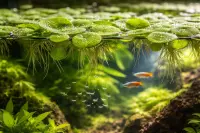
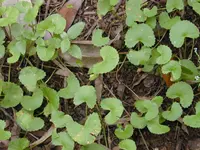
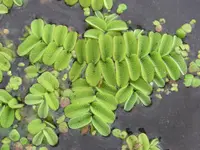
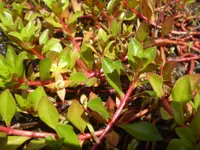
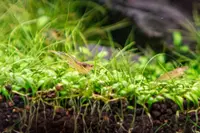
Small mud-mat (Glossostigma elatinoides) is a tiny creeping aquatic plant widely used as a foreground carpet in freshwater aquariums. It forms dense, bright green mats of rounded leaves that hug the substrate and create a low, lawn-like appearance.

In nature, it occurs in shallow, slow-moving waters and muddy margins in Australasia, where it experiences strong light and continuous moisture. The plant grows quickly but needs stable conditions, good light, and adequate dissolved nutrients, which can make it moderately demanding for beginners.

Those factors influence how to care for Small Mud-mat, especially in small or newly set-up tanks where water parameters change easily.

Main Plant Requirements

Care Difficulty

Hard Care

Light Preference

Full Sun

Water Requirements

Aquatic

Temperature Preference

Tropical / Frost Sensitive

Hardiness Zone

Unknown

Soil Texture

Sandy, Loamy, Organic-rich

Soil pH

Acidic (5.5–6.5), Slightly acidic (6.5–7.0)

Soil Drainage

Waterlogged tolerant

Fertilization

Heavy (weekly, diluted)

Get Personalized Care Plan

Scan your plant to receive care tips personalized for your specific plant

Personalized Care in the App

Available on iOS and Android

How to Care for the Small Mud-mat

This low-growing aquatic foreground plant needs bright light to form a dense, low carpet.

  • Provide 8–10 hours of strong light daily; in outdoor ponds, aim for full morning sun with light shade after midday to limit overheating.
  • Small Mud-mat tolerates very light partial shade, but stems elongate and leaves widen if light is below about 30–40 µmol/m²/s at the substrate.
  • Under very intense sun, encourage floating plants or shading grids to prevent algae and leaf bleaching, especially in shallow water during summer.

This species prefers consistently moist to submerged conditions with stable water levels.

  • In aquariums, ensure the substrate stays fully saturated; do not allow exposed patches to dry or the fine roots will die back quickly.
  • Glossostigma elatinoides shows underwatering stress as pale, shrinking leaves and lifting mats; overwatering in emersed setups appears as mushy stems and rotting runners.
  • Use fine-grained, well-anchoring substrate with gentle water flow; excessive current can uproot runners, while stagnant water encourages algae and detritus buildup.

This plant grows fastest in mild, stable temperatures typical of temperate aquariums and ponds.

  • Aim for 70–78°F (21–26°C) for steady growth; in this range, carpeting is dense and new runners appear quickly.
  • Growth slows below 64°F (18°C), and prolonged exposure under about 55°F (13°C) can cause dieback, especially of emersed leaves.
  • It tolerates short spikes up to 82–86°F (28–30°C) if light and nutrients are balanced, but sustained heat with strong light increases algae and stresses the carpet.

This species prefers consistently high humidity to form a dense aquatic carpet.

  • Maintain 60–80% humidity above the tank surface; very dry room air slows spreading and can cause melting of exposed shoots.
  • Watch for curled, pale, or thinning leaves at the waterline as signs of low humidity stress.
  • Use a tank lid, reduce strong surface agitation, and group tanks or use a room humidifier to keep air above the aquarium humid for Small Mud-mat.

This plant needs nutrient-rich, fine-grained substrate with stable structure rather than typical potting soil.

  • Use a 3–5 cm layer of fine aquarium plant substrate or mineral-rich sand mixed with aquatic plant soil for Glossostigma elatinoides.
  • Aim for slightly acidic to neutral conditions, around pH 6.0–7.2, to support nutrient uptake and compact growth.
  • Ensure the substrate is firm but not packed hard, so roots can anchor while water still moves through for aeration.
  • Avoid coarse gravel, sharp sand, or fluffy organic mixes that trap debris, create anaerobic pockets, or let runners float up.

This species is well suited to container growing when kept submerged or emersed in shallow aquariums or trays.

  • Choose low, wide containers to allow horizontal runner spread while keeping a shallow water column for strong light penetration.
  • Provide a stable base or stand so the container cannot shift, which would disturb the delicate rooting carpet.
  • Use inert, non-reactive materials like glass or acrylic that do not leach minerals, helping maintain stable water chemistry for fine roots.

This fast-growing aquatic carpet plant benefits from consistent, moderate nutrition for dense growth.

  • Use a balanced NPK aquatic fertilizer, combining root tabs in the substrate with a complete liquid fertilizer in the water column.
  • Dose lightly but frequently during active growth, about 1–2 times per week, adjusting to plant response and algae levels.
  • Reduce feeding in winter or when growth slows, but avoid stopping completely to prevent thinning of the Small Mud-mat carpet.
  • Keep liquid fertilizers at half the label strength initially, increasing only if leaves pale and algae remains controlled.

Glossostigma elatinoides responds well to frequent trimming, which keeps the carpet low and healthy.

  • Trim during active growth, usually spring through fall, when plants spread fastest and recover quickly.
  • Remove yellow, decaying, or shaded lower leaves to improve circulation and reduce algae buildup.
  • Shear the top 0.5–1 cm of growth with sharp aquascaping scissors to keep the carpet compact and prevent lifting.
  • Siphon out clippings after cutting to maintain water quality and prevent loose fragments from shading healthy plants.

This species is usually planted into aquarium substrate rather than repotted into traditional containers.

  • Transplant when the existing carpet lifts, thins, or shows bare patches, indicating it needs replanting or a refreshed substrate.
  • Plan major replanting during stable tank conditions, ideally in spring or early in the aquarium’s light cycle to reduce stress.
  • Lift small plugs with attached roots, gently tease apart dense mats, and replant individual or paired shoots 1–2 cm apart.
  • Avoid exposing roots to air for long periods; keep them submerged and minimize disturbance to reduce melt and shock.

This plant is commonly multiplied by vegetative division rather than by seed in home aquariums.

  • Use creeping stems with healthy leaves; cut sections bearing several nodes and intact roots.
  • Best results occur in stable, warm water during the main growing season, when light and CO2 are sufficient.
  • Plant small pieces shallowly in fine-grained substrate, with just the roots buried and leaves exposed.
  • Maintain gentle water flow, stable nutrients, and moderate to high light to support fast rooting and lateral spread.

Aquarium-grown Glossostigma elatinoides needs minimal seasonal adjustment but is sensitive to cold conditions.

  • Keep water temperature stable, typically above 68°F, since chilling slows growth and may cause dieback.
  • For outdoor tubs, move containers indoors before frost or into a frost-free greenhouse or garage.
  • Avoid sudden temperature drops; acclimate plants gradually when shifting between indoor and outdoor setups.

Care Tips

Controlled Carpet Height

Regularly trim the carpet with sharp aquascaping scissors to 0.5–1 cm to prevent shading of lower leaves and encourage dense, horizontal runners instead of vertical, leggy growth.

COâ‚‚ And Flow Distribution

Place the plant in areas of gentle but constant water flow and direct COâ‚‚ diffuser output toward the foreground so dissolved gas reaches the tiny leaves and roots before it dissipates upward.

Substrate Slope Planning

Create a slight slope in the foreground substrate (thicker at the back, thinner at the front) so light penetrates evenly across the mat and detritus rolls forward for easier removal during maintenance.

Dry Start Establishment

Use a covered tank and misted, saturated (but not flooded) substrate for 4–8 weeks to let roots anchor firmly before flooding, which greatly reduces uprooting and melting during the first months of growing Small Mud-mat.

Targeted Detritus Removal

During water changes, use a thin siphon tube or turkey baster to gently lift debris from between the leaves without disturbing runners, which helps prevent algae films from forming on the low, compact foliage.

Common Pests and Diseases

Hair algae

This pest often colonizes the fine leaves and spreads across the carpet, smothering growth and blocking light. Symptoms include stringy, filamentous green strands tangled in the plant mat.

Solution

Reduce excess nutrients and stabilize CO2, then shorten the photoperiod to 6–8 hours and perform frequent partial water changes. Manually remove strands with tweezers or a toothbrush and introduce suitable algae grazers such as Amano shrimp, while avoiding overfeeding fish.

Blue-green algae

This disease-like cyanobacteria forms slimy, dark green to bluish sheets over the carpet, causing sections to lift and die. Symptoms include a strong earthy or musty odor and rapid spreading along the substrate surface.

Solution

Improve circulation and nitrates, remove as much of the slime as possible by siphoning, and increase water changes. In stubborn cases, apply a targeted blackout for 3–4 days or use an aquarium-safe antibacterial treatment while monitoring livestock closely.

Green spot algae

This pest appears as hard, round, dark green dots on leaves and nearby glass, especially in high light tanks with unstable nutrients. Symptoms include older Glossostigma leaves becoming speckled and eventually shaded out.

Solution

Increase and stabilize phosphate levels within safe aquarium ranges and verify adequate CO2. Gently trim heavily affected leaves and maintain consistent fertilization and moderate light intensity to prevent recurrence, which improves overall Glossostigma elatinoides care.

Melt from CO2 shock

This disease-like physiological problem occurs when plants are moved between tanks with very different CO2 or hardness levels. Symptoms include sudden yellowing, translucency, and rapid disintegration of leaves, often within a few days of planting.

Solution

Acclimate plants gradually to new water parameters, maintain stable CO2 around the clock, and avoid large, sudden changes in KH and pH. Trim completely melted portions and allow new underwater growth to replace the damaged tissue under stable conditions.

Substrate anaerobic spots

This disease condition develops when compact, fine substrates become oxygen-poor under the dense carpet, leading to black, foul-smelling zones that damage roots and cause patchy die-off. Symptoms include yellowing or lifting patches of the carpet and gas bubbles escaping from the substrate when disturbed.

Solution

Gently aerate the substrate with a thin stick or root tabs to break up compacted zones, and avoid overpacking the carpet during initial planting. Increase water circulation near the bottom, occasionally thin overly dense areas, and perform regular gravel vacuuming around but not directly through delicate roots.

Interesting Facts

Tiny amphibious creeper

This species naturally forms very low, dense mats along the margins of streams and ponds in Australia and New Zealand, rooting at the nodes as its creeping stems spread over wet soil and shallow water.

Extreme light adaptation

In bright, shallow water it grows as a tight, flat carpet only a few millimeters tall, but in deeper or shaded conditions its stems elongate rapidly and grow upright, showing strong plasticity in response to light intensity and water depth.

Pioneer in disturbed habitats

In its native range it often colonizes freshly exposed mud or sand after water levels drop, acting as an early successional species that stabilizes substrates and creates microhabitats for small invertebrates.

Botan icon

Did you know?

This species was largely unknown in the aquarium trade until the 1990s, when its use in high-light, CO2-enriched aquascapes popularized ultra-low foreground carpets and helped define the modern nature aquarium style.

FAQs about Small Mud-mat

Growth is relatively fast under high light, stable CO2, and adequate nutrients, forming a carpet in 4–8 weeks. In low‑tech tanks it grows slowly, may elongate upward, and forms thinner, patchy coverage.

Grow Healthy Plants with Botan Care

Keep your plants happy and healthy with plant identification, disease detection, and easy care guidance.

Botan plant care app — identify plants on mobile

Explore More Plants