Brazilian waterweed Care (Elodea densa)

Also known as: Brazilian waterweed

About Brazilian waterweed

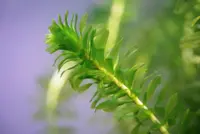
Brazilian waterweed (Elodea densa) is a fast-growing submerged aquatic plant commonly used in freshwater aquariums and ponds. It forms dense, bright green stems with whorls of narrow leaves. Native to South America, it has naturalized in many mild-climate regions and can spread quickly in suitable water bodies. The plant is popular for beginners because it adapts to a wide range of water conditions and helps oxygenate the water. To care for Brazilian waterweed, provide clean, still or gently moving freshwater and moderate light, avoiding extreme temperatures or strong currents.

Main Plant Requirements

Care Difficulty

Easy Care

Light Preference

Partial Sun

Water Requirements

Aquatic

Temperature Preference

Cool Climate

Hardiness Zone

5–11

Soil Texture

Silty, Peaty, Organic-rich

Soil pH

Slightly acidic (6.5–7.0), Neutral (7.0)

Soil Drainage

Waterlogged tolerant

Fertilization

Minimal (feed rarely)

Get Personalized Care Plan

Scan your plant to receive care tips personalized for your specific plant

Personalized Care in the App

Available on iOS and Android

How to Care for the Brazilian waterweed

Elodea densa grows best with bright, indirect light over most of the day.

  • Provide 6–10 hours of light daily; in outdoor ponds, full sun in the morning and light shade in the afternoon prevent overheating and algae blooms.
  • Tolerates partial shade, but stems may elongate and lower leaves shed if light stays low for many days.
  • In summer, protect Brazilian waterweed in shallow water from harsh midday sun; in winter, supplement with artificial light if days are very short.

This aquatic plant depends on stable, clean, well-oxygenated water rather than traditional soil moisture.

  • Maintain constant submersion in ponds or aquariums, with gentle water movement and low to moderate nutrients to avoid algae overgrowth around Elodea densa.
  • Change 20–30% of aquarium water weekly; cloudy water, foul odor, or slimy leaves signal poor water quality rather than underwatering.
  • Keep pH around 6.5–8.0 and avoid sudden shifts; chlorinated tap water should be treated or aged before use to prevent leaf melt.

This species prefers cool to mild water and slows down when conditions become too warm or too cold.

  • Aim for 60–75°F (16–24°C) for steady growth; many aquarists keep it near 68–72°F (20–22°C) for stable performance.
  • Tolerates short drops to about 41°F (5°C) in outdoor ponds but is damaged by prolonged frost, ice cover, or sudden cold snaps.
  • Above 80°F (27°C) growth weakens and leaves may yellow; in hot summers, provide shade or deeper water, and in winter, move containers to a frost-free spot if needed.

Elodea densa lives fully submerged, so air humidity is irrelevant as long as the water column stays stable and clean.

Elodea densa is a rooted aquatic plant that prefers nutrient-rich, fine mineral sediment rather than typical potting soil.

  • Use a 3–6 cm layer of fine sand or fine gravel with some clay or laterite underneath to anchor roots and supply minerals.
  • Keep the substrate compact enough to hold roots but not so dense that it compacts into an anaerobic layer lacking oxygen.
  • Aim for slightly acidic to neutral water conditions around the sediment, roughly pH 6.5–7.5, to support nutrient availability.
  • Avoid peat-heavy, fluffy potting mixes that float or break apart in water, as these foul the tank and smother roots.

This species grows well in aquatic containers such as ponds, tubs, and large aquariums when anchored correctly.

  • Place weights or plant in perforated baskets within the container so stems stay submerged and do not clog filters or pumps.
  • Use a wide, stable container to reduce tipping, since dense submerged growth can create drag when water is moved or stirred.
  • Select darker container walls when possible to limit side light that encourages algae growth competing with Brazilian waterweed.

Elodea densa is a fast-growing aquatic plant that benefits from light, consistent nutrition in planted aquariums and ponds.

  • Use a balanced liquid aquatic fertilizer (for example NPK 10-10-10) at 1/4–1/2 label strength to avoid algae blooms.
  • Feed during the main growing season every 2–4 weeks, adjusting to plant density and water-change schedule.
  • Reduce or stop dosing in winter or when growth slows, especially in unheated outdoor ponds.
  • For caring for Brazilian waterweed in low-tech tanks, rely mainly on fish waste and occasional diluted trace supplements.

Pruning Elodea densa maintains manageable growth, supports water flow, and improves light penetration in tanks and ponds.

  • Trim long, crowded stems every few weeks during active growth, cutting just above a leaf whorl with sharp aquascaping scissors.
  • Remove pale, decaying, or algae-covered sections to reduce organic waste and improve water quality.
  • Thin dense clumps to prevent self-shading and encourage bushier side shoots instead of long, leggy stems.
  • Collect and discard unwanted fragments so they do not root elsewhere or clog filters and pumps.

This species is usually anchored in substrate or left free-floating, so management focuses on thinning and occasional transplanting rather than traditional repotting.

  • Transplant when growth becomes overly dense, stems shade each other, or water flow is restricted around Elodea densa stands.
  • Best timing is during the main growing season, when water temperatures are stable and plants recover quickly from disturbance.
  • Every 6–12 months, lift crowded stems, trim excess roots, and replant only the healthiest upper sections.
  • Reduce root stress by handling stems gently, keeping them submerged, and replanting into fine gravel or sand without compacting the substrate.

Elodea densa is commonly propagated from stem cuttings taken from healthy, vigorous plants.

  • Take 10–15 cm tip cuttings during the warm growing season when stems are firm and actively elongating.
  • Remove lower leaves on the cutting section that will be inserted into the substrate to reduce decay.
  • Plant cuttings upright in fine gravel or sand, or allow them to free-float under moderate light for rooting.
  • Maintain stable water parameters, gentle circulation, and 6–8 hours of light to support rapid root and side-shoot formation.

In many mild regions Elodea densa survives winter outdoors in ponds with minimal intervention.

  • Hardy in cool water but sensitive to complete freezing; ensure at least part of the pond remains ice-free and unfrozen at depth.
  • In colder climates, move container-grown plants indoors to an unheated aquarium or trough before hard frosts.
  • Maintain cooler water (46–59°F) and low to moderate light indoors, allowing growth to slow naturally without heavy feeding.

Care Tips

Anchor Without Soil

Use small plant weights or trap stems gently under aquarium decor or rocks so the bases stay in place while still allowing leaves full access to flowing water and light.

Create Gentle Water Flow

Position the plant near but not directly in front of filters or pumps to provide steady, moderate current that keeps leaves clean and reduces algae settling without shredding delicate stems.

Thin, Do Not Shear

Regularly remove entire older stems from the base instead of cutting all tips, which maintains good water circulation, prevents self-shading, and encourages stronger new shoots when caring for Brazilian waterweed.

Use As Nutrient Sponge

Add extra bunches temporarily after heavy feeding of fish or during mild algae issues, then remove or compost surplus stems to export absorbed nutrients from the aquarium system.

Quarantine New Bunches

Keep new plant bundles in a separate container for 7–10 days and inspect for snails, hitchhiker plants, or algae before introducing them, to prevent long-term contamination of the main tank when you grow Elodea densa.

Common Pests and Diseases

Hydra overgrowth

This pest attaches to stems and leaves as tiny translucent polyps that can sting small fish and invertebrates while stressing the plant surface. Symptoms include reduced plant vigor and visible clusters of small, tentacled blobs on the foliage and hardscape near the plant.

Solution

Manually siphon or wipe hydra from Elodea stems and aquarium glass, then reduce excess feeding to limit their food source. Short-term use of hydra-specific treatments or a controlled blackout period (2–3 days without light) can help, but monitor plant response and maintain stable water parameters to support recovery when caring for Brazilian waterweed.

Planaria infestation

These flatworms appear as small, white or brown, arrow-headed worms on plant surfaces, glass, and substrate, often increasing in overfed or dirty tanks. This pest can irritate plant tissue and signals high organic waste that indirectly weakens Elodea.

Solution

Vacuum the substrate thoroughly, reduce feeding, and increase water changes to lower organic load. If numbers stay high, use a planaria-specific aquarium treatment at label dosage and remove dead flatworms promptly to prevent water quality spikes that could harm the plant.

Algal smothering

This disease-like condition occurs when filamentous or hair algae overgrow stems and leaves, blocking light and trapping debris. Symptoms include pale, thinning stems and leaves wrapped or coated in green or brown strands.

Solution

Gently remove algae by hand or with a soft brush while performing frequent partial water changes to reduce nutrients. Improve balance by adjusting lighting duration, adding fast-growing competitors or appropriate algae-eating livestock, and keeping nitrate and phosphate at moderate levels so Elodea can outcompete algae.

Snail grazing damage

These insects are not involved; rather, certain aquarium snails rasp at soft, new shoots, leaving ragged tips and missing leaf sections. Symptoms include stunted new growth and thinning bunches, especially in heavily stocked snail tanks.

Solution

Limit overpopulation by physically removing excess snails and cutting back on uneaten food. Protect new growth by providing extra plant mass, using snail traps, or choosing less herbivorous snail species, while keeping water hardness and calcium adequate so snails rely less on live plant tissue.

Nutrient deficiency chlorosis

This disease-like stress occurs when rapid growth outpaces essential nutrients, particularly iron and nitrogen, causing yellowing leaves and weak, brittle stems. Symptoms include pale or transparent leaves starting on newer growth and slowed overall expansion of the clump.

Solution

Test water for nitrate and key minerals, then adjust fertilization with a balanced aquarium plant fertilizer that includes micronutrients like iron. Maintain consistent CO2 levels if used, keep nitrate in a moderate range (typically 5–20 ppm for planted tanks), and regularly thin and replant tops so the stand stays dense and healthy.

Interesting Facts

South American origin

This submerged aquatic species is native to slow-moving rivers and streams in southeastern South America, particularly in Brazil, Uruguay, and Argentina, and most wild populations elsewhere are the result of aquarium escapes or introductions.

Dioecious but one-sided

The species is dioecious, meaning male and female flowers occur on separate plants, but most introduced populations outside its native range contain only male plants, so it rarely produces viable seed there and spreads almost entirely by stem fragmentation.

Photosynthesis model organism

This plant has become a classic model organism for teaching and studying photosynthesis and plant cell structure, because its thin leaves have a single layer of large cells where chloroplast movement and oxygen bubble production are easy to observe under a basic light microscope.

Botan icon

Did you know?

In several regions, including parts of Europe, North America, and New Zealand, this species grows so densely in canals, reservoirs, and slow rivers that it can clog water intakes, hinder boat traffic, and outcompete native aquatic plants, leading authorities to list it as an invasive species and restrict its sale or transport.

FAQs about Brazilian waterweed

Yellowing usually comes from low nutrients, especially nitrogen or iron, or from very low light. Check fertilizer levels, replace a portion of tank water regularly, and ensure adequate lighting without strong algae growth shading the stems.

Grow Healthy Plants with Botan Care

Keep your plants happy and healthy with plant identification, disease detection, and easy care guidance.

Botan plant care app — identify plants on mobile

Explore More Plants