Temple Plant Care (Hygrophila corymbosa)

Also known as: Giant Hygro, Temple Plant

About Temple Plant

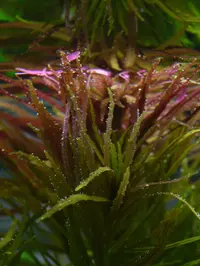
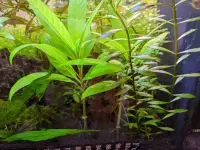
Temple plant, Hygrophila corymbosa, is a fast-growing aquatic stem plant commonly used in freshwater aquariums. It forms upright, leafy stems that can create a tall, dense background. Leaves are typically lance-shaped and green to reddish-brown, depending on light and nutrients.

This species is native to Southeast Asia, where it grows in marshy, slow-moving waters and seasonally flooded areas. Its quick growth and tolerance of a wide range of water conditions make it suitable for many beginner aquarists.

Stable light, consistent moisture, and nutrient-rich substrate help maintain compact, healthy growth. Understanding how to care for Temple Plant focuses mainly on providing steady water parameters and adequate lighting rather than complex maintenance routines.

Main Plant Requirements

Care Difficulty

Easy Care

Light Preference

Partial Shade

Water Requirements

Aquatic

Temperature Preference

Tropical / Frost Sensitive

Hardiness Zone

10–11

Soil Texture

Loamy, Silty, Organic-rich

Soil pH

Acidic (5.5–6.5), Slightly acidic (6.5–7.0)

Soil Drainage

Waterlogged tolerant

Fertilization

Heavy (weekly, diluted)

Get Personalized Care Plan

Scan your plant to receive care tips personalized for your specific plant

Personalized Care in the App

Available on iOS and Android

How to Care for the Temple Plant

This aquatic and marginal plant needs bright, stable light to form dense, healthy foliage.

  • Provide 8–10 hours of bright light daily; in outdoor ponds or water gardens, favor morning sun with light afternoon shade to limit leaf scorch.
  • In aquariums, use a medium to high-intensity light source; stems grown in deep shade elongate, lose lower leaves, and become pale green or yellow.
  • In summer, protect Temple Plant from harsh, direct afternoon sun; in winter, extend artificial lighting to compensate for shorter days and lower natural intensity.

This species prefers consistently moist to submerged conditions, depending on whether it is grown emersed or fully aquatic.

  • For potted, emersed plants, keep the substrate evenly moist, letting only the top 1–2 cm of soil start to dry before watering again to avoid root stress.
  • Use a well-draining but water-retentive mix; signs of overwatering include a sour smell and black, mushy stems, while underwatering causes limp, drooping leaves.
  • In aquariums, maintain stable water levels and avoid sudden changes; poor growth, pinholes, and leaf drop often indicate unstable moisture or water parameters rather than lack of watering events.

Stable warmth supports vigorous growth and reduces stress in this tropical species.

  • Aim for 72–82°F (22–28°C) for best growth; in aquariums and warm water gardens this range supports dense foliage and strong stems.
  • Avoid temperatures below 64°F (18°C); prolonged exposure under this level slows growth, while light frost or near-freezing water can kill aerial parts or the whole plant.
  • The plant tolerates short spikes up to about 86°F (30°C), but sustained higher temperatures with low oxygen or poor water movement can cause leaf melt and stem rot.

This aquatic and marginal plant prefers moderately high air humidity but adapts to typical indoor levels.

  • Aim for 50–70% humidity around Temple Plant when grown emersed, especially in warm rooms.
  • Dry air can cause pale, crisping leaf edges and slower growth; underwater leaves are not affected.
  • Increase humidity with a nearby open-top water tray, grouped plants, or a shallow aquarium cover that still allows air exchange.

For emersed growth, this species prefers a nutrient-rich, well-aerated substrate that stays moist without becoming stagnant.

  • Use a loose mix such as 50% fine aquatic soil or loam, 30% compost, and 20% coarse sand or fine gravel for structure.
  • Ensure slow but steady drainage; soil should feel damp, not waterlogged, to prevent root rot and anaerobic (airless) pockets.
  • A slightly acidic to neutral pH around 6.0–7.0 suits Hygrophila corymbosa and keeps nutrients available to the roots.
  • Improve aeration in dense mixes by blending in coarse sand or fine grit and avoid heavy, compacted clay-only substrates.

This species grows very well in containers, both as an aquarium plant and in pots for emersed culture.

  • Choose a stable, relatively heavy pot to prevent tipping as stems grow tall and leafy.
  • Select a container deep enough to anchor long stems and allow horizontal root spread without crowding.
  • In aquarium setups, use a planting basket or pot to confine roots and keep substrate from scattering during maintenance.

Hygrophila corymbosa responds well to consistent, moderate nutrition for steady vegetative growth.

  • Use a balanced liquid NPK aquarium fertilizer or all-purpose houseplant feed at 1/4–1/2 strength for Temple Plant in active growth.
  • Apply fertilizer 1–2 times per week in high-light, fast-growing setups; every 2 weeks is enough in lower light.
  • Reduce feeding in winter or low-growth periods, maintaining minimal dosing to prevent nutrient deficiencies without fueling algae.
  • Avoid overfeeding; monitor leaf color and new growth, adjusting dosage rather than switching products abruptly.

Pruning supports compact, bushy growth and maintains good light penetration through Hygrophila corymbosa stems.

  • Trim stems during active growth, typically spring through early autumn, when recovery is fastest.
  • Remove dead, melting, or algae-covered leaves and any weak, leggy shoots using clean aquascaping scissors.
  • Cut strong stems just above a node to encourage branching and a fuller mid-level plant structure.
  • Thin crowded groups by removing entire stems from the base to maintain water flow and reduce shading of lower leaves.

Repotting or transplanting keeps this fast-growing stem plant healthy and prevents dense, root-bound clumps.

  • Look for roots circling pots, compacted substrate, or slowed shoot growth as cues that a move is needed.
  • Plan to reset or transplant clumps every 6–12 months, ideally in spring or during peak growth for quick recovery.
  • Gently loosen roots and trim damaged portions, then replant stems upright with adequate spacing for circulation and light.
  • Work quickly, keep roots and stems moist or submerged during handling, and avoid drastic root removal in a single session.

New plants are most commonly produced from stem cuttings taken from healthy Hygrophila corymbosa shoots.

  • Take 8–10 cm tip or mid-stem cuttings in spring or any strong growth phase, using sharp, clean scissors.
  • Remove lower leaves and insert cuttings into fine substrate, or float them until roots appear from the nodes.
  • Provide bright light, stable CO2 (if used), and consistent nutrients to speed rooting and new shoot formation.
  • Space new plants to avoid shading, allowing side shoots to develop and form dense groups over several weeks.

This tropical species is not frost hardy and needs warm, stable conditions during winter.

  • Keep water or room temperature near 72–82°F, avoiding exposure to cold drafts or unheated areas.
  • For container or emersed setups, move plants indoors before temperatures drop below 60°F.
  • Use stable lighting and consistent photoperiods in winter to limit stress and prevent sudden leaf drop.
  • Avoid major trimming or root disturbance in the coldest months, as regrowth is slower under low light.

Care Tips

Substrate Depth Management

Maintain at least 5–7 cm of fine aquarium substrate so roots can anchor firmly; in deep tanks slope the substrate higher at the back to support tall stems and reduce uprooting by fish or water flow.

Regular Stem Replanting

Every 4–6 weeks, trim the tallest stems, discard the old woody bases, and replant only the top 8–12 cm cuttings to keep growth compact, vigorous, and less prone to shedding lower leaves.

Flow and Oxygen Tuning

Position stems in moderate water flow so leaves sway gently, which improves nutrient delivery and gas exchange without damaging delicate new shoots.

Nutrient Zoning Strategy

Group this species in a dedicated area and place root tabs only under that cluster, which provides strong growth while avoiding unnecessary nutrient spikes in the rest of the tank.

Transition Acclimation

When moving emersed-grown plants into a fully submerged aquarium, remove only the most damaged emersed leaves and allow 2–4 weeks for new underwater foliage to form instead of stripping the plant bare at once, which reduces stress during growing Temple Plant in a new setup.

Common Pests and Diseases

Algae overgrowth

Symptoms include green, brown, or black slimy coatings on leaves and stems, often appearing when light and nutrients are imbalanced. This problem competes with the plant for light and dissolved nutrients and can slow growth of Hygrophila corymbosa.

Solution

Reduce light intensity or duration to about 8–10 hours, lower excess nutrients by moderating feeding and improving filtration, and increase fast-growing stem plants to outcompete algae. Manually remove algae from leaves and hardscape, perform regular 25–40% water changes, and maintain stable CO2 and fertilization levels to prevent reoccurrence.

Nutrient deficiency

Symptoms include yellowing older leaves, pale new growth, small leaves, and pinholes or transparent patches when key nutrients are lacking. This issue is common in fast-growing aquatic stems that quickly deplete nitrogen, potassium, and micronutrients from the water column.

Solution

Use a complete aquarium fertilizer that supplies N, P, K, and trace elements, and dose according to plant biomass and light level. Monitor leaf color and growth, adjust dosing gradually, and maintain consistent water changes so nutrients remain available but not excessively high when growing Temple Plant in a community tank.

Snail herbivory

These animals may rasp at soft or damaged leaf areas, leaving irregular holes, transparent patches, or shredded edges, especially on older or decaying leaves. Damage is usually cosmetic but can become noticeable in tanks with high snail populations.

Solution

Manually remove excess snails, reduce overfeeding of fish, and siphon decaying plant matter so snails rely less on live foliage. If damage persists, use plant-safe snail traps or, where compatible, introduce natural predators such as certain loaches, while monitoring that fish choices match tank size and community needs.

Leaf melt from shock

Symptoms include rapid softening, transparency, and disintegration of leaves after changes in water chemistry, light, or after transitioning from emersed to submerged growth. This physiological stress can make stems look severely damaged even though the root system may remain viable.

Solution

Keep water parameters stable (temperature, pH, hardness) when introducing new plants and avoid sudden changes in light intensity or CO2. Trim completely melted leaves, leave healthy stems and roots in place, and allow time for new submerged-adapted growth to emerge under stable conditions.

Staghorn algae

This pest appears as gray to dark green, coarse, hair-like tufts on leaf edges and slow-flow zones, often thriving in unstable CO2 and high organic waste conditions. It can smother leaf margins and reduce photosynthesis if left unchecked.

Solution

Improve flow and CO2 stability, remove affected leaves or carefully pull off algae tufts, and reduce organic buildup by cleaning the filter and substrate lightly. Short-term spot treatment with dilute liquid carbon products using a syringe directly on the algae, combined with regular water changes, is often effective when done carefully around sensitive livestock.

Interesting Facts

Amphibious growth strategy

This species can grow both fully submerged and emersed, changing leaf shape, thickness, and cuticle between underwater and above-water forms, which helps it colonize fluctuating river margins and flooded areas in Southeast Asia.

Rapid nutrient uptake

The plant is known in aquaria for quickly absorbing dissolved nitrate and phosphate, so dense stands are often used to improve water quality and limit nuisance algae growth.

Highly variable appearance

Under strong light and adequate nutrients, cultivated forms can develop bronze to reddish tones and more compact growth, while the same species in low light becomes taller, paler, and more sparsely leafed, which often leads hobbyists to mistake it for different species.

Botan icon

Did you know?

In several regions outside its native range, this species has naturalized in warm ditches, canals, and slow-moving waterways, and in places like Florida it is monitored as a potentially invasive aquatic plant because its fast growth can form dense stands that displace local vegetation.

FAQs about Temple Plant

Yellowing leaves usually come from nutrient deficiency, low light, or natural aging of older foliage. In aquariums, iron or nitrogen shortages are common. Check fertilization, light levels, and root health before assuming disease or rot.

Grow Healthy Plants with Botan Care

Keep your plants happy and healthy with plant identification, disease detection, and easy care guidance.

Botan plant care app — identify plants on mobile

Explore More Plants