Paper Reed Care (Cyperus papyrus)

Also known as: Papyrus sedge, Indian matting plant, Nile grass, Paper reed, Paper Plant

About Paper Reed

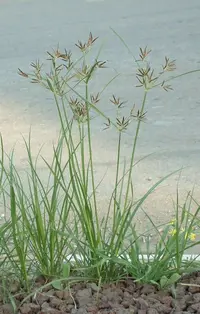
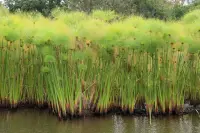
Paper reed, Cyperus papyrus, is a fast-growing aquatic sedge best known as the historic source of papyrus writing material. It forms tall, upright stems topped with large, umbrella-like sprays of fine green bracts, giving it a bold, architectural look.

In nature it occurs along warm, shallow, slow-moving waters, especially in parts of Africa and the Middle East. It thrives in constantly wet conditions and does not tolerate drying out, which strongly shapes how to care for Paper Reed.

The plant is vigorous and fairly easy to grow if its need for abundant water, warmth, and bright light is met. It suits ponds, water containers, and very wet garden spots more than typical indoor pots.

Main Plant Requirements

Care Difficulty

Moderate Care

Light Preference

Full Sun

Water Requirements

Aquatic

Temperature Preference

Tropical / Frost Sensitive

Hardiness Zone

9–11

Soil Texture

Loamy, Silty, Organic-rich

Soil pH

Slightly acidic (6.5–7.0), Neutral (7.0)

Soil Drainage

Waterlogged tolerant

Fertilization

Light (every 4–6 weeks)

Get Personalized Care Plan

Scan your plant to receive care tips personalized for your specific plant

Personalized Care in the App

Available on iOS and Android

How to Care for the Paper Reed

Cyperus papyrus needs abundant light to fuel fast growth and dense umbels.

  • Provide full sun for 6–8 hours daily; morning and midday sun are ideal, with light afternoon shade in very hot regions.
  • Tolerates bright partial shade, but stems may grow thinner and taller, and Paper Reed can lose some density if light stays below 4–5 hours.
  • In summer, protect from harsh reflected heat from walls; in winter, remove overhead shade and prune nearby plants so more low-angle sun reaches the clump.

This species is adapted to wetlands and prefers constantly saturated conditions.

  • Keep soil or planting area very moist to waterlogged; do not allow the top 2–3 cm to dry out, especially in active growth.
  • Increase watering in hot, windy weather so the root zone never dries; reduce frequency slightly in cool seasons while still keeping the soil damp.
  • Signs of underwatering include drooping, browning leaf tips, and crisp stems, while foul smell, mushy stems, or algae-crusted soil suggest chronic excess and poor drainage.

Cyperus papyrus prefers warm, frost-free conditions for sustained growth.

  • Optimal growth occurs around 70–86°F (21–30°C); plants stay active and produce new stems fastest in this range.
  • The plant is damaged near 32°F (0°C) and often killed by hard frost; in regions with winter below 40°F (4°C), treat it as a warm-season or protected plant.
  • Tolerates short heat spikes up to about 95°F (35°C) if water is abundant; in extreme heat, deeper water and mild afternoon shade help prevent stress.

This species needs constant high humidity to thrive and should never be kept in dry air.

  • Aim for 60–80% humidity, similar to a steamy bathroom or pond edge environment.
  • Brown, crisp leaf tips and thinning umbels indicate humidity stress or insufficient moisture at the roots.
  • Stand the pot in a wide saucer of water, group plants, or use a humidifier to keep Paper Reed in consistently moist air.

Cyperus papyrus prefers permanently wet, organic-rich soil that mimics a shallow pond margin.

  • Use a heavy loam-based mix with 50–70% garden loam or topsoil plus compost to hold water and nutrients.
  • Aim for slow-draining conditions; place the pot in a saucer or cachepot that can stay topped up with water.
  • Slightly acidic to neutral pH (6.0–7.0) suits this species and helps root function and nutrient uptake.
  • Avoid sandy, fast-draining, or peat-only mixes that dry quickly, as these lead to root stress and weak stems.

This species is well suited to large, stable containers when constant moisture can be maintained.

  • Select a deep, wide, heavy pot to counter the top-heavy stems and prevent the container from tipping in wind.
  • Use a container without side drainage slots near the base so water can pool slightly and keep the root zone saturated.
  • Place the pot inside a larger, water-tight outer container or tray to create a mini-bog and stabilize moisture levels.

Cyperus papyrus responds well to consistent nutrition during its active growing season.

  • Use a balanced liquid fertilizer (around 10-10-10 or 20-20-20) diluted to 1/2 strength for container plants.
  • Feed every 2–4 weeks from spring through early fall while growth is vigorous.
  • Reduce or stop fertilizing in late fall and winter when growth slows.
  • In ponds or large tubs, supplement with slow-release aquatic fertilizer tablets pressed into the substrate.

Pruning helps keep Cyperus papyrus tidy and encourages fresh, vigorous stems.

  • Best time for heavier pruning is late winter or early spring before strong new growth.
  • Cut dead, yellowing, or damaged stems at the base with clean, sharp shears.
  • Thin crowded stems to improve air movement and maintain an open, attractive form.
  • Remove spent flowering heads if desired to reduce self-seeding and focus energy on foliage.

Container-grown Cyperus papyrus or Paper Reed often needs periodic repotting or division to stay healthy.

  • Look for roots circling the container, crowded stems, or reduced vigor as signals to repot or divide.
  • Plan major repotting or transplanting for spring, once night temperatures are consistently mild.
  • Repot every 1–2 years into a larger, heavy container with rich, water-retentive soil or aquatic mix.
  • Keep roots consistently wet after moving, shade for several days, and avoid fertilizing until new growth resumes.

Cyperus papyrus is commonly propagated by division and by using stem heads as cuttings.

  • Divide mature clumps in spring, separating sections with several stems and healthy roots.
  • For umbrel cuttings, place cut flower heads upside down so the leaf whorls just touch warm, shallow water.
  • Maintain high humidity, bright indirect light, and constant moisture to encourage rooting.
  • Sow fresh seeds on the surface of wet, fine substrate at 70–80°F and do not allow them to dry out.

Cyperus papyrus is frost-sensitive and needs protection in regions with cold winters.

  • In zones colder than USDA 9, move container plants indoors to a bright, cool room before frost.
  • Keep indoor water levels high, but slightly reduce feeding and allow somewhat slower growth.
  • For in-ground plants in mild climates, mulch the root zone with 5–10 cm of organic material.
  • Cut back dead, frost-damaged stems in late winter, once the chance of hard freezes has passed.

Care Tips

Submerged Container Method

Place the pot inside a larger waterproof cachepot or tub and keep the outer vessel filled with 5–10 cm of water to maintain consistently wet roots without daily top-watering.

Wind And Lean Support

Use discreet bamboo stakes or a simple ring support to brace tall stems in windy or exposed spots, tying loosely with soft plant ties so heavy umbels do not snap at the base.

Warm-Season Repotting

Shift to a wider, heavier container in late spring when new shoots emerge, as a broad, stable pot helps anchor tall growth and reduces the risk of the plant toppling over.

Aggressive Clump Renewal

Every 1–2 years, divide and discard the oldest, woody central portions of the root mass while replanting younger outer sections to keep growth vigorous and prevent congestion.

Winter Protection Strategy

In regions with cold winters, move container plants indoors to a bright, cool space and trim back the tallest stems slightly to reduce water demand and stress while caring for Paper Reed under lower light conditions.

Common Pests and Diseases

Spider mites

This pest thrives on papyrus grown indoors or in dry air, causing tiny yellow speckling and fine webbing on stems and foliage. Symptoms include dull, stippled leaves that may dry and brown from the tips.

Solution

Rinse the stems and foliage thoroughly with a strong but controlled stream of water, repeating every few days, and increase ambient humidity around the plant. For persistent infestations, use insecticidal soap or a ready-to-use horticultural oil, coating all green surfaces and repeating as directed until new growth appears clean.

Aphids

These insects cluster on tender new shoots and flower stems, sucking sap and excreting sticky honeydew that can lead to sooty mold. Symptoms include distorted young growth and a shiny, sticky coating on stems or nearby surfaces.

Solution

Wash the plant with a firm stream of water to dislodge colonies, paying special attention to new shoots and flower stalks. If numbers remain high, apply insecticidal soap or neem oil thoroughly, including the undersides of stems, and remove heavily infested or deformed shoots to reduce population sources.

Rust

This disease appears as orange to brown powdery pustules on stems and sometimes leaf-like bracts, often on plants kept crowded and constantly wet with poor air movement. Symptoms include yellowing tissue around the spots and gradual weakening of affected shoots.

Solution

Remove and discard infected stems at the base to limit spread and avoid overhead splashing between plants. Improve spacing and airflow while still keeping the root zone wet, and in severe cases use a labeled fungicide for rust on ornamentals, treating surrounding healthy stems as a preventive barrier.

Leaf blight

This disease causes irregular brown or tan lesions starting on older stems and leaf-like bracts, especially in warm, stagnant water conditions. Symptoms include water-soaked spots that expand and join, leading to collapse of entire umbels and a ragged appearance.

Solution

Cut out and discard all affected stems, including those with early spotting, and avoid heavy overhead watering that keeps foliage constantly wet. Refresh or circulate standing water in containers, and if the problem persists, use a broad-spectrum ornamental fungicide and focus on maintaining vigorous growth through adequate light and nutrients to support recovery.

Interesting Facts

Ancient writing material

The pith of this sedge was sliced into thin strips, pressed, and dried to create the earliest known paper-like sheets used extensively in ancient Egypt for documents and scrolls.

Buoyant stem structure

Its tall, triangular stems have air-filled tissues called aerenchyma, which improve oxygen movement and buoyancy, allowing the plant to thrive in deep, still or slow-moving water.

Specialized wetland root zone

The dense, fibrous root and rhizome system binds soft, muddy substrates and helps stabilize shorelines while trapping suspended sediments and nutrients in freshwater wetlands.

Botan icon

Did you know?

This species forms towering umbels of fine, radiating rays that can exceed 3 m in height in optimal tropical conditions, creating a structurally complex canopy that offers shelter and perching sites for many wetland birds and invertebrates.

FAQs about Paper Reed

Yellowing usually comes from nutrient deficiency, low light, or roots standing in stagnant, poorly aerated water. Old stems naturally yellow with age. Remove aging culms, refresh water or soil, and provide balanced fertilizer during active growth.

Grow Healthy Plants with Botan Care

Keep your plants happy and healthy with plant identification, disease detection, and easy care guidance.

Botan plant care app — identify plants on mobile

Explore More Plants