Monkey grass Care (Liriope muscari)

Also known as: Liriope, monkey grass

About Monkey grass

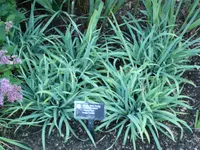
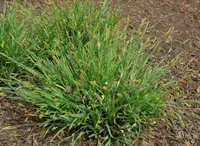
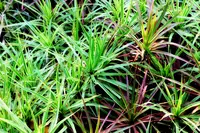
Monkey grass, or Liriope muscari, is a low-growing, grass-like perennial often used as a border, groundcover, or edging plant. It forms dense clumps of arching, strap-shaped leaves that stay attractive for much of the year.

In late summer to early fall, it produces short spikes of purple or lavender flowers, followed by small dark berries. It is native to East Asia but is now widely used in landscapes across many regions.

This species tolerates a range of light from partial shade to sun and adapts to various soils if drainage is reasonable. Its toughness and low maintenance needs make it simple to care for Monkey grass in home gardens.

Main Plant Requirements

Care Difficulty

Easy Care

Light Preference

Partial Shade

Water Requirements

Moderate Water

Temperature Preference

Cold Hardy

Hardiness Zone

5–10

Soil Texture

Sandy, Loamy, Clay

Soil pH

Acidic (5.5–6.5), Slightly acidic (6.5–7.0)

Soil Drainage

Moist but well-drained

Fertilization

Minimal (feed rarely)

Get Personalized Care Plan

Scan your plant to receive care tips personalized for your specific plant

Personalized Care in the App

Available on iOS and Android

How to Care for the Monkey grass

Liriope muscari grows best in bright outdoor conditions with some protection from intense afternoon sun.

  • Provide 3–6 hours of sun daily, ideally morning sun with light or dappled shade in the afternoon to prevent leaf scorch.
  • Plants tolerate partial to full shade, but very deep shade can reduce flowering and cause thin, floppy foliage, especially in Monkey grass borders.
  • In hotter summers, favor east-facing or filtered-light sites; in cooler climates, more direct sun improves flowering and fall foliage color.

This plant prefers consistently moist but not saturated soil, especially during its establishment phase.

  • Allow the top 3–5 cm of soil to dry before watering; soil should feel slightly dry at the surface but still cool and moist below.
  • Increase watering during hot, dry periods and the first growing season; reduce frequency in cool, rainy weather and during winter dormancy.
  • Watch for yellowing, soft leaves as a sign of overwatering or root rot, and browning, crisp leaf tips as an indicator of underwatering or drought stress.

This hardy perennial tolerates a wide temperature range but performs best within moderate seasonal conditions.

  • Optimal active growth occurs around 60–80°F (16–27°C), with strong foliage and flowering when soil temperatures stay mild.
  • Established plants typically survive down to about 0°F (-18°C) with mulch; foliage may burn, but crowns often resprout in spring.
  • Heat tolerance is good up to about 90–95°F (32–35°C) if soil moisture is maintained; prolonged extreme heat with drought can stunt growth and weaken clumps.

This species manages well in typical home or outdoor humidity and rarely needs special humidity control.

  • Target 40–60% humidity, which most homes and shaded outdoor spots naturally provide.
  • It tolerates dry air but prolonged very dry conditions combined with heat can crisp leaf tips.
  • Brown, curling edges and slow recovery after watering can indicate humidity plus heat stress rather than drought alone.
  • In very dry, hot positions, group plants or place near other vegetation to slightly raise local humidity around foliage.

Liriope muscari prefers loose, moisture-retentive but free-draining soil that does not stay waterlogged.

  • Use a loamy mix with 30–50% organic matter such as compost or leaf mold to support dense root and clump growth.
  • Aim for pH 6.0–7.0; mildly acidic conditions help nutrient availability and reduce micronutrient lockout.
  • Improve drainage and aeration by blending in pine bark fines, coarse sand, or perlite, especially in heavy garden soil.
  • Avoid compacted clay, spots where water sits after rain, or very shallow stony soil that dries out extremely fast.

This species is well suited to container growing for borders, patios, and small spaces.

  • Choose a wide, shallow to medium-depth pot to accommodate its spreading, fibrous root system without excessive unused depth.
  • Use a heavier container material or add weight at the base so the clumps stay stable and do not tip when foliage is full.
  • Select a container mix that drains freely yet holds moisture, and raise the pot slightly on feet to keep drainage holes clear.

Liriope muscari responds well to modest, consistent nutrition rather than heavy feeding.

  • Apply a balanced slow-release fertilizer (around 10-10-10) once in early spring as new growth begins.
  • Supplement with a light top-dressing of compost in spring to improve soil structure and microbial activity.
  • During late spring and summer, a half-strength balanced liquid feed every 6–8 weeks is sufficient for Monkey grass in containers.
  • Stop feeding in fall and winter, as growth slows and excess nutrients can cause weak, tender foliage.

Pruning Liriope muscari is mainly used to refresh foliage and maintain a tidy clump.

  • Cut back old, winter-damaged leaves in late winter or very early spring before new shoots emerge.
  • Remove dead, yellowing, or disease-spotted blades at the base using clean, sharp shears or a hedge trimmer.
  • Thin out congested clumps every few years by removing older, weak fans to improve air flow and vigor.
  • Deadhead spent flower spikes at the base if a neater appearance is desired, though this is optional.

Monkey grass is usually grown in the ground, so care focuses on dividing and transplanting mature clumps.

  • Look for crowded, thinning centers, or slow growth as signs that clumps need lifting and dividing.
  • Plan transplanting or division for early spring or early fall, about every 3–5 years, when temperatures are mild.
  • Lift the clump, gently shake off soil, and separate sections with several shoots and healthy roots using a knife if needed.
  • Replant divisions at the same depth, water thoroughly, and keep soil evenly moist for 2–3 weeks to limit root stress.

Liriope muscari is most reliably propagated by division of established clumps.

  • Divide mature plants in early spring or early fall when temperatures are cool but the soil is workable.
  • Lift the entire clump, then pull or cut it into sections, each with strong roots and 3–5 shoots.
  • Plant divisions into moist, well-drained soil, spacing 20–30 cm apart for good air flow and even coverage.
  • Seed propagation is possible but slow and less uniform; provide warm conditions and consistent moisture for germination.

Liriope muscari is generally cold hardy and needs minimal winter care in most temperate gardens.

  • In regions with freezing winters, apply a 5–7 cm mulch layer around the root zone to moderate soil temperature.
  • Allow foliage to stay over winter in cooler climates, then cut back in late winter before new growth starts.
  • In containers, move pots to a sheltered, unheated area and avoid waterlogged soil during cold, wet periods.

Care Tips

Edge Containment

Install a shallow physical barrier 10–15 cm deep along beds to keep rhizomes from creeping into lawn areas and to make future clump division faster and cleaner.

Divide For Rejuvenation

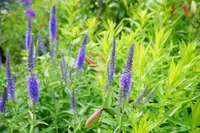
Every 3–5 years, lift and divide crowded clumps in early spring, trimming long roots and replanting divisions at the same depth to maintain flowering and dense foliage.

Winter Crown Protection

In colder regions, apply a light mulch layer over the crowns after the ground cools to reduce freeze–thaw damage and prevent heaving of newly planted clumps.

Targeted Weed Suppression

Spread a thin, even mulch layer between clumps and hand-weed early in the season so the expanding foliage can close gaps and outcompete new weeds with minimal herbicide use.

Root Zone Pest Checks

When a patch thins unexpectedly, gently dig up a small section to inspect roots for rot or chewing damage, then adjust irrigation or treat pests before replanting healthy divisions to restore the planting.

Common Pests and Diseases

Anthracnose

This disease causes irregular tan to brown leaf spots that often have dark, sunken centers and can lead to dieback of leaf tips or entire fans. Symptoms include more damage in warm, wet weather and on crowded clumps.

Solution

Remove and discard heavily spotted or blighted leaves to reduce spore spread, then thin crowded plantings to improve air movement. Avoid overhead watering, irrigate early in the day so foliage dries quickly, and use a labeled fungicide if the problem recurs or is severe, following all product directions as part of broader Liriope muscari care instructions.

Leaf and crown blight

This disease causes sudden browning and collapse of entire fans, often starting at the crown and moving outward, with foliage that looks scorched rather than spotty. Symptoms include rapid spread through dense plantings and increased damage in hot, humid conditions.

Solution

Cut out and dispose of affected clumps down to the soil line, cleaning tools between cuts, and improve drainage if water tends to sit around the crowns. Reduce irrigation frequency, avoid wetting foliage, and consider applying a labeled fungicide as a protective measure to nearby healthy clumps when conditions favor disease spread.

Slugs and snails

These pests chew irregular holes and ragged edges into leaves, often leaving slimy trails along foliage and soil. Damage is usually worse on young growth and in shaded, moist beds.

Solution

Hand-pick slugs and snails during the evening, use iron phosphate bait according to label directions, and reduce hiding spots such as thick mulch layers or debris around plants. Water in the morning rather than evening so the soil surface dries before night, making the area less favorable for these pests.

Scale insects

These insects appear as small, immobile bumps along leaves and stems, often causing yellowing, weakened growth, and sticky honeydew that can lead to sooty mold. Infestations can be patchy, affecting certain clumps more than others.

Solution

Prune out heavily infested leaves and dispose of them, then wipe remaining foliage with a soft cloth dipped in diluted insecticidal soap or horticultural oil. Repeat treatments as needed according to product instructions and monitor new growth regularly to catch scale early.

Southern blight

This disease causes sudden wilt and collapse of plants at the soil line, often with white fungal threads and small tan to brown round structures (sclerotia) on the soil surface or crown. Symptoms include rapid loss of individual clumps, especially in hot, wet conditions and poorly drained sites.

Solution

Promptly remove and discard infected plants along with surrounding soil, and avoid moving contaminated soil to new areas. Improve drainage, avoid overwatering, and, in high-value beds with a history of southern blight, consider using a soil-targeted fungicide labeled for this disease under professional guidance.

Interesting Facts

Evergreen woodland edge

In much of its native range in East Asia, this species grows along woodland edges and open forest floors, where it forms low, grass-like clumps that stay green through mild winters.

Berry-like seed display

After the summer flower spikes fade, it develops shiny, bead-like dark purple to almost black fruits that persist into winter and disperse the seeds slowly over time.

Tolerant of air pollution

Studies on urban planting have shown that this species copes relatively well with traffic-related air pollution and compacted soils, which is one reason it is widely used as a city groundcover.

Botan icon

Did you know?

Genetic studies indicate that what gardeners know as Liriope muscari actually includes several closely related lineages that may represent distinct taxa, which helps explain the wide variation in flower color, leaf width, and growth habit seen among different cultivated forms.

FAQs about Monkey grass

Yellowing foliage often results from poor drainage, compacted soil, excessive fertilizer, or prolonged drought. Check that the soil drains freely, reduce high-nitrogen feeding, water during extended dry spells, and trim heavily damaged clumps to stimulate new growth.

Grow Healthy Plants with Botan Care

Keep your plants happy and healthy with plant identification, disease detection, and easy care guidance.

Botan plant care app — identify plants on mobile

Explore More Plants