


Regular top trimming
Trim the top 5–10 cm of stems weekly and replant the healthiest tips to keep growth dense, prevent shading lower leaves, and quickly fill in sparse areas.

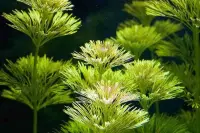
Asian marshweed (Limnophila sessiliflora) is a fast-growing aquatic plant commonly used in freshwater aquariums and ponds. It forms dense, feathery green stems that create a soft, bushy look underwater.
In the wild, it occurs in slow-moving or still waters across South and Southeast Asia, often forming submerged thickets. Its rapid growth and ability to adapt to a range of water conditions make it popular with both beginners and more experienced aquarists.
Understanding how to care for Asian marshweed mainly involves providing stable water conditions, adequate light, and a nutrient-rich substrate or water column.

Care Difficulty
Easy Care

Light Preference
Partial Sun

Water Requirements
Aquatic

Temperature Preference
Tropical / Frost Sensitive

Hardiness Zone
10–11

Soil Texture
Sandy, Loamy, Organic-rich

Soil pH
Acidic (5.5–6.5), Slightly acidic (6.5–7.0)

Soil Drainage
Waterlogged tolerant

Fertilization
Moderate (every 2–4 weeks)
Scan your plant to receive care tips personalized for your specific plant
Available on iOS and Android
This aquatic stem plant needs strong, stable light to form dense, healthy underwater foliage.
This submerged species depends on consistently clean, well-oxygenated water rather than soil moisture management.
This aquatic plant grows best in stable, tropical aquarium temperatures without sudden swings.
This submerged aquatic species relies on consistently high humidity around emergent or marginal growth.
This plant grows rooted in fine, waterlogged substrate rather than conventional potting soil.
This species is very suitable for container culture in aquariums and small water gardens.
Limnophila sessiliflora responds well to steady, moderate nutrition in aquatic setups.
Pruning Limnophila sessiliflora keeps stems dense, prevents shading, and maintains tank balance.
This species is usually grown planted in substrate or as a stem bunch rather than in traditional pots.
Limnophila sessiliflora is commonly propagated from stem cuttings in aquariums.
In indoor heated aquariums, Limnophila sessiliflora needs little specific winter care.

Plant Health Check
Not sure what's wrong with your plant? Check your plant's health inside the app.
This species forms finely divided, feathery submerged leaves but can develop broader, less divided leaves when growing emersed, showing clear leaf dimorphism in response to water level and light conditions.
It occurs naturally in slow-moving or still freshwater habitats across parts of India, Sri Lanka, Thailand, Vietnam, and neighboring regions, where it grows in ditches, rice paddies, and calm streams.
In parts of the United States and Europe, escaped plants from aquaria have established in natural waterways, where dense growth can outcompete native aquatic vegetation and alter habitat structure.

In several rice-growing regions of Asia, this species commonly colonizes flooded rice fields, where its dense underwater foliage provides cover for juvenile fish and aquatic invertebrates that use the paddies as seasonal habitat.
Brown, melting foliage usually results from poor water quality, sudden temperature swings, or inadequate dissolved CO2. Check for high ammonia or nitrite, stabilize temperature, improve circulation, and trim damaged stems so healthy shoots can regrow.
Keep your plants happy and healthy with plant identification, disease detection, and easy care guidance.

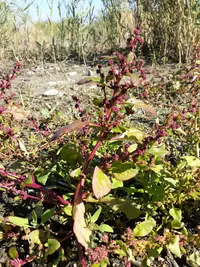
Low Goosefoot
Oxybasis chenopodioides
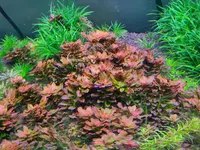
globefruit primrose-willow
Ludwigia sphaerocarpa
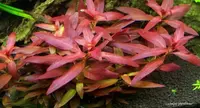
Cylindricfruit Primrose-willow
Ludwigia glandulosa
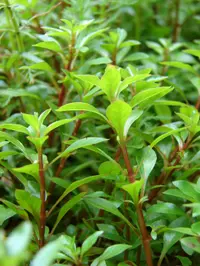
Water Purslane
Ludwigia palustris
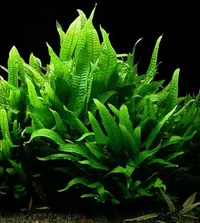
Java fern
Leptochilus pteropus
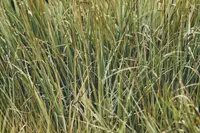
brownfruit rush
Juncus pelocarpus

Roundleaf Lindernia
Lindernia rotundifolia
 POPULAR
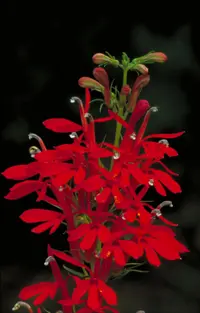
Cardinal flower
Lobelia cardinalis