Regular Stem Replanting
Trim the healthiest top portions of older stems and replant them in the substrate every 4–6 weeks to keep growth compact, bushy, and richly colored while removing shaded, weaker bases.

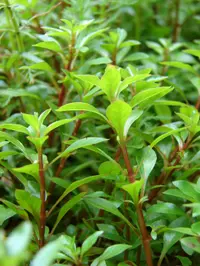
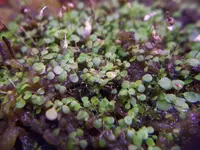
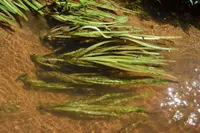
Water purslane, Ludwigia palustris, is a low-growing aquatic or semi-aquatic plant often used in aquariums, terrariums, and pond edges. It forms dense mats of small, opposite leaves that can turn reddish under strong light.
This species is native to wetlands, ditches, and slow-moving waters across Europe, Asia, and the Americas. It spreads by creeping stems that root easily at the nodes.
Water purslane is generally considered easy to grow if it receives stable moisture and at least moderate light. Understanding how to care for Water Purslane is mainly about keeping water quality, light, and nutrients reasonably balanced.

Care Difficulty
Moderate Care

Light Preference
Full Sun

Water Requirements
Aquatic

Temperature Preference
Cool Climate

Hardiness Zone
3–10

Soil Texture
Sandy, Loamy, Silty

Soil pH
Acidic (5.5–6.5), Slightly acidic (6.5–7.0)

Soil Drainage
Waterlogged tolerant

Fertilization
Light (every 4–6 weeks)
Scan your plant to receive care tips personalized for your specific plant
Available on iOS and Android
This aquatic species needs strong, consistent light to develop compact, colorful growth.
This semi-aquatic plant is adapted to saturated conditions rather than fluctuating wet-dry cycles.
This species prefers mild to warm temperatures and declines with prolonged cold or extreme heat.
This species prefers consistently high humidity similar to its marsh habitat.
Ludwigia palustris naturally grows in saturated, fine-textured, organic-rich substrates.
This species is well suited to container culture in ponds, tubs, or aquaria.
Ludwigia palustris grows well with light, consistent nutrition rather than heavy feeding.
Pruning helps Ludwigia palustris stay dense, healthy, and well-shaped in aquariums and wet setups.
This species is usually transplanted rather than traditionally repotted, as it is often grown in aquariums or wet margins.
Ludwigia palustris is commonly propagated to maintain dense plantings and refresh older stems.
In most aquatic or consistently wet setups, this plant needs only minimal winter care in mild climates.

Plant Health Check
Not sure what's wrong with your plant? Check your plant's health inside the app.
This species can grow both fully submerged and in very shallow, muddy margins, altering its leaf shape and size depending on whether it is underwater or emersed in air.
Under strong light and adequate nutrients, its small opposite leaves develop a pronounced red to reddish-brown coloration, while in shaded, nutrient-poor water they stay more olive-green.
It is native to much of Europe, North Africa, and parts of western Asia, typically occurring in slow-moving ditches, ponds, and marshes with soft, often nutrient-rich substrates.

Ludwigia palustris is sometimes used by aquatic ecologists as an indicator of long-persisting shallow water or wet soil conditions, because its populations tend to establish and spread in sites that remain saturated for extended periods rather than in areas that flood only briefly.
Growth is generally fast under stable, nutrient-rich, wet conditions. Stems can extend several centimeters per week in aquariums or shallow water. Low light, poor nutrients, or fluctuating CO2 will slow elongation and reduce branching significantly.
Keep your plants happy and healthy with plant identification, disease detection, and easy care guidance.