Carolina fanwort Care (Cabomba caroliniana)

Also known as: Fanwort, Carolina water-shield, Cabomba

About Carolina fanwort

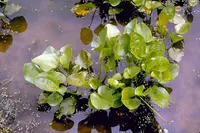
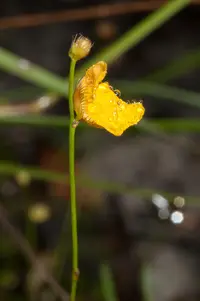
Carolina fanwort (Cabomba caroliniana) is a submerged aquatic plant commonly used in freshwater aquariums and ponds. It forms dense, feathery green foliage that creates a soft, flowing look underwater. In the wild it occurs in slow-moving or still waters in parts of North and South America and has become invasive in some regions due to its rapid growth. Its fine, delicate leaves are attractive but can be fragile, so handling and planting require some care. It prefers clean, nutrient-rich water, good light, and stable conditions, so learning how to care for Carolina fanwort helps keep it healthy and prevents dieback.

Main Plant Requirements

Care Difficulty

Moderate Care

Light Preference

Partial Sun

Water Requirements

Aquatic

Temperature Preference

Tropical / Frost Sensitive

Hardiness Zone

8–11

Soil Texture

Sandy, Loamy, Organic-rich

Soil pH

Acidic (5.5–6.5), Slightly acidic (6.5–7.0)

Soil Drainage

Waterlogged tolerant

Fertilization

Light (every 4–6 weeks)

Get Personalized Care Plan

Scan your plant to receive care tips personalized for your specific plant

Personalized Care in the App

Available on iOS and Android

How to Care for the Carolina fanwort

This submerged aquatic plant needs strong light for dense growth and stable form.

  • Provide 8–10 hours of bright light daily; in outdoor ponds, choose a spot with full sun to very bright partial sun.
  • Carolina fanwort tolerates light shade, but stems become leggy and lower leaves shed when light falls below about 6 hours per day.
  • In clear, shallow water strong summer sun is ideal, but in very hot climates use floating plants or shade cloth to diffuse intense midday light.

As an aquatic species, this plant relies on stable water conditions rather than intermittent watering.

  • Grow Cabomba caroliniana fully submerged in clean, still or slow-moving water at a consistent level, avoiding frequent draining or large water level swings.
  • Leaf tips thinning, paling, or shedding often indicate poor water quality or low dissolved nutrients rather than simple lack of water.
  • Cloudy water, foul odor, or slimy algae growth signal excess nutrients; improve filtration, reduce fish load, and perform partial water changes instead of adding more water.

This species prefers warm, stable water and declines quickly in cold or strongly fluctuating temperatures.

  • Aim for 72–82°F (22–28°C) for best growth; moderate growth usually continues between about 68–86°F (20–30°C).
  • Avoid water dropping below 59–60°F (15–16°C), as chilling causes stem collapse, leaf loss, and potential death, especially with sudden changes.
  • Protect from frost and rapid temperature swings in shallow ponds; in very hot weather above 86°F (30°C), provide shade and good water circulation to limit heat stress.

This submerged aquatic species relies on very high water humidity around foliage rather than air humidity.

  • Keep the aquarium covered so air above the water stays near 100% humidity and leaf tips do not dry out.
  • Avoid strong airflow over the water surface, which lowers boundary-layer humidity and dries emergent shoots.
  • Crisping, grey-green tips or collapsing stems at the surface indicate humidity stress; raise water level or submerge growth fully.

Cabomba caroliniana grows best rooted in fine, nutrient-rich aquarium substrate rather than typical terrestrial soil.

  • Use a 3–5 cm layer of fine sand or aquatic plant substrate enriched with clay or laterite to anchor roots and supply nutrients.
  • Ensure gentle water flow so detritus does not compact the substrate and reduce oxygen around the roots.
  • Aim for slightly acidic to neutral conditions, roughly pH 6.0–7.2, which support nutrient uptake and stable growth.
  • Avoid coarse gravel, sharp rock, or deep, anaerobic sludge layers that trap gases and cause root and stem rot.

This species is well suited to container culture in aquariums and ponds where water depth and stability can be controlled.

  • Choose a tall, stable tank so long, feathery stems have vertical space and do not shade the entire surface quickly.
  • Place plant weights or small planting baskets near the back or corners to keep stems anchored and maintain open swimming space.
  • Use a dark background and substrate to reduce light reflection, which helps limit algae while allowing strong growth.

Submerged in nutrient-poor setups, Cabomba caroliniana benefits from modest, water-safe fertilization to sustain dense growth.

  • Use a balanced aquatic fertilizer (for example 5-5-5 or similar NPK) or aquarium plant tabs, not land-plant products.
  • Dose lightly every 2–4 weeks during active growth, following aquatic label directions at 1/2–3/4 strength.
  • Reduce or stop feeding in winter or when growth slows, to avoid algae blooms and nutrient buildup.
  • Monitor leaf color and growth; pale, stunted shoots often indicate the need for slightly increased dosing.

Pruning helps keep Cabomba caroliniana dense, healthy, and contained in aquariums or ponds.

  • Trim actively growing stem tips during peak growth, usually spring through early fall, to control height.
  • Remove dead, decaying, or shaded lower stems to improve light penetration and water quality.
  • Thin crowded sections to maintain water flow and prevent lower foliage from rotting.
  • Use clean scissors or aquascaping shears, making cuts just above a node to encourage bushier side shoots.

This aquatic stem plant is usually anchored rather than potted, so management focuses on repositioning and thinning rather than frequent repotting.

  • Replant or thin stems when growth slows, bases deteriorate, or the stand becomes overly dense and shades itself.
  • Best timing is during the main growing season, spring to early fall, when plants recover quickly from handling.
  • In containers or baskets, refresh the aquatic substrate every 1–2 years if roots and stems are tightly packed or substrate is exhausted.
  • Trim damaged roots and keep stems moist and shaded during work, then replant gently to avoid crushing tissue and causing shock.

Cabomba caroliniana is commonly propagated from stem cuttings rather than seeds in home aquaria and ponds.

  • Take 8–15 cm healthy stem tips in spring or summer when growth is strong and water is warm.
  • Remove lower leaves from the cutting base so no foliage is buried in substrate or pinned under weights.
  • Anchor cuttings gently in fine gravel or aquatic soil; ensure moderate light and stable, clean water for rooting.
  • Allow several nodes below the surface; new roots and side shoots will form from these submerged nodes.

In mild climates and temperature-controlled aquaria, this aquatic species usually needs little dedicated winter care.

  • In outdoor ponds in cooler regions, growth may slow or foliage die back when water drops below about 50–55°F.
  • If ponds risk freezing solid, move a portion of the plant to an indoor tank for overwintering.
  • Maintain stable water temperature, moderate light, and good circulation indoors to prevent decline through winter.

Care Tips

Gradual Submersion

When introducing new stems, start them floating for 2–3 days, then gently anchor them in stages so the plant adjusts to water chemistry and light without melting back.

Strategic Trimming

Trim the top 10–15 cm of the healthiest stems and replant those tips, removing older, shaded lower sections to maintain dense, bright green growth and avoid clogging filters.

Flow Management

Position stems away from direct filter outflow so they sway gently rather than bend or tear, using hardscape or equipment to deflect strong currents.

Sediment Control

Use a fine pre-filter sponge and avoid stirring substrate near the stand of plants, as suspended debris can smother the delicate leaf whorls and reduce photosynthesis.

COâ‚‚ And Nutrient Testing

Regularly test and log COâ‚‚ levels, nitrate, and phosphate so any decline in growth or leaf density can be corrected quickly, which is essential when growing Carolina fanwort in high-light aquariums.

Common Pests and Diseases

Filamentous algae

This pest competes strongly for light and nutrients, quickly entangling the fine leaves and shading them. Symptoms include stringy green growth wrapped around stems and fronds, leading to yellowing and dieback of the plant tips.

Solution

Manually remove as much algae as possible, reduce excess light and dissolved nutrients, and increase partial water changes. Limit overfeeding of fish, maintain good filtration, and consider adding fast-growing floating plants or an appropriate algae-eating species to outcompete the algae while monitoring that it does not damage the Cabomba caroliniana plant care goals.

Leaf blight

This disease causes localized brown or translucent patches on leaves that then disintegrate, leaving bare stems. Symptoms include rapid loss of fine leaf segments while stems remain intact for some time.

Solution

Remove and discard affected stems promptly, then improve water quality with regular partial water changes and careful control of organic waste. Maintain stable temperature and pH, avoid sudden parameter swings, and ensure good circulation so that decaying debris does not accumulate around the plant canopy.

Snail herbivory

These insects are not involved; instead, plant-eating aquarium snails rasp away the delicate leaf tissue, leaving skeletonized or missing fan-like segments. Symptoms include irregular holes, ragged leaf tips, and rapid thinning of bushy groups.

Solution

Manually remove problem snails, reduce overfeeding that supports large snail populations, and inspect any new plants or décor for snail eggs before introduction. Where needed, use snail traps or introduce only carefully selected, plant-safe snail or fish species, and provide alternative food sources so that remaining snails are less likely to graze on Cabomba stems.

Nutrient deficiency

Symptoms include pale, yellowing, or transparent leaves, often starting at the tips, along with weak growth and thinning, brittle stems. This condition usually develops in low-nutrient aquariums where the plant cannot access enough nitrogen, potassium, or micronutrients.

Solution

Increase balanced aquatic fertilization using a complete liquid fertilizer and, if needed, root tabs near dense plantings, while monitoring nitrate and phosphate levels to avoid algae blooms. Maintain stable CO2 levels, adequate but not excessive light, and trim weak stems to encourage new, stronger growth from healthy sections.

Interesting Facts

Highly invasive oxygenator

This submerged aquatic species is used in aquaria as an oxygenating plant but has become a serious invasive weed in slow-moving waters in North America, Europe, and Australia, where it forms dense submerged mats that outcompete native vegetation and alter water flow.

Vegetative spread dominance

Although it can produce small flowers and seeds, this plant spreads in the wild mainly by vegetative fragments; even small stem pieces with a few nodes can root and establish new populations, which makes physical control in lakes and canals difficult.

Photosynthesis saturation behavior

Studies show that its photosynthesis rate increases with light intensity up to a relatively low saturation point compared with some other aquatic macrophytes, which helps explain its success in slightly turbid, nutrient-rich waters where light is limited.

Botan icon

Did you know?

This species is listed on the European Union list of invasive alien species of Union concern, which means it cannot be imported, bred, transported, commercialized, or intentionally released into the environment in any EU member state.

FAQs about Carolina fanwort

Yellowing foliage usually indicates nutrient deficiency, low CO2, or inadequate light. Check nitrate, iron, and potassium levels, improve water circulation, and ensure stable parameters. Remove decaying stems to prevent rot and algae issues in the aquarium.

Grow Healthy Plants with Botan Care

Keep your plants happy and healthy with plant identification, disease detection, and easy care guidance.

Botan plant care app — identify plants on mobile

Explore More Plants