Giant allium Care (Allium giganteum)

Also known as: Giant Onion, Ornamental Onion

About Giant allium

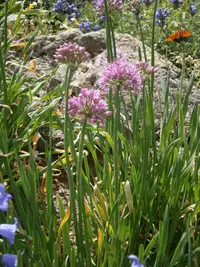
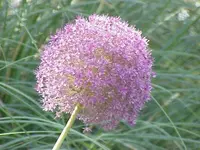
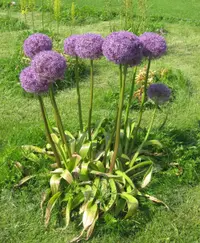
Giant allium (Allium giganteum) is a bulbous perennial known for its tall, straight stems topped with large, spherical clusters of tiny purple flowers. The blooms resemble ornamental fireworks and rise above a base of strap-like foliage.

This species comes from Central and Southwestern Asia, where it grows in open, sunny, and relatively dry habitats. It is generally easy to grow in temperate gardens when provided with well-drained soil and good sun exposure.

Once established, it is long-lived and needs little attention, which makes it appealing for gardeners who want to care for Giant allium with minimal effort.

Main Plant Requirements

Care Difficulty

Easy Care

Light Preference

Full Sun

Water Requirements

Moderate Water

Temperature Preference

Cold Hardy

Hardiness Zone

5–8

Soil Texture

Sandy, Loamy, Organic-rich

Soil pH

Slightly acidic (6.5–7.0), Neutral (7.0)

Soil Drainage

Well-drained

Fertilization

Minimal (feed rarely)

Get Personalized Care Plan

Scan your plant to receive care tips personalized for your specific plant

Personalized Care in the App

Available on iOS and Android

How to Care for the Giant allium

This sun-loving bulb forms strongest stems and largest flower heads with consistent, direct light.

  • Provide 6–8 hours of direct sun daily; morning and midday sun are ideal for tall, sturdy Giant allium flower stalks.
  • Tolerates light afternoon shade in hotter regions, but dense shade leads to weak, floppy growth and fewer blooms.
  • Avoid planting where taller plants or structures cast heavy shadow in spring; full exposure while foliage is active is important for next year’s bulbs.

This bulb prefers infrequent, deep watering in free-draining soil to avoid rot.

  • Water only when the top 3–5 cm of soil are dry; in most garden beds this means deeper but less frequent watering rather than shallow sprinkles.
  • Ensure very sharp drainage with sandy or gritty soil so Allium giganteum bulbs do not sit in waterlogged conditions, especially in cool weather.
  • Reduce watering after flowering and allow soil to become quite dry as foliage dies back, but avoid extreme drought that causes premature leaf yellowing.

This hardy bulb handles cold winters but grows best in cool to mild spring conditions.

  • Active growth and flowering are strongest around 55–70°F (13–21°C), typical of late spring in many temperate climates.
  • Bulbs tolerate winter lows near 0°F (−18°C) in the ground with good drainage; deeper planting and mulch improve cold resilience.
  • Once established, plants cope with brief heat up to about 85–90°F (29–32°C), but prolonged extreme heat and dry winds can scorch leaves and shorten bloom life.

Humidity is not a key factor for Allium giganteum, which prefers dry, airy conditions.

Allium giganteum needs freely draining, lean soil to keep bulbs dry and prevent rot.

  • Use a sandy or sandy-loam structure with noticeable grit, not a dense or peat-heavy mix.
  • Aim for slightly alkaline to neutral pH around 7.0–7.5, adding garden lime if soil tests acidic.
  • Blend sharp sand or fine gravel into existing soil to improve drainage and bulb aeration.
  • Avoid sites where water lingers after rain, heavy clay, or compacted beds that stay wet in winter.

This species can grow in containers if the pot is deep, stable, and drains very quickly.

  • Choose a tall, heavy container so the weight counterbalances the tall flower stems in wind.
  • Fill the pot with a gritty mix, such as 2 parts loam-based compost to 1 part sharp sand or fine gravel, to keep bulbs dry.
  • Raise the container on pot feet so water clears the drainage holes and the bulb zone never sits in runoff.

Allium giganteum benefits from modest, targeted feeding during its active growing season.

  • Apply a balanced granular or slow-release fertilizer (around 10-10-10) once in early spring as shoots emerge.
  • In richer soils, use a thin layer of compost instead of repeated synthetic feeding.
  • If using liquid feed, apply at half strength every 4–6 weeks until flowering finishes.
  • Stop feeding after blooms fade to allow the bulb to enter dormancy without forcing soft, weak growth.

Pruning needs for Allium giganteum are minimal and focus on tidiness and bulb strength.

  • Cut spent flower stalks at the base once seed heads fade, unless seed collection is desired.
  • Leave green leaves in place until they yellow naturally, then remove them to support bulb energy storage.
  • Remove any damaged, diseased, or collapsed foliage with clean, sharp snips to limit fungal problems.
  • Avoid cutting healthy foliage early, as this reduces photosynthesis and weakens next year’s flowering.

Giant allium is usually grown in garden beds, with infrequent lifting or transplanting of bulbs.

  • Plan to lift and divide crowded clumps every 3–5 years, ideally in late summer to early fall after foliage dies back.
  • Signs that bulbs need moving include reduced flower size, many crowded stems, or poor drainage in the planting area.
  • Dig around and under the bulbs carefully, keeping roots and basal plate intact to limit stress.
  • Replant bulbs promptly at 10–15 cm depth in well-drained soil, water lightly, and avoid disturbing again until established.

Allium giganteum is commonly propagated by bulb division and sometimes by seed for larger plantings.

  • Divide offsets in late summer to early fall once foliage is fully dormant and soil is workable.
  • Lift clumps, gently separate firm, healthy daughter bulbs from the main bulb, and discard any soft or damaged ones.
  • Replant offsets at 10–15 cm depth in well-drained soil, spacing 15–20 cm apart for good air movement.
  • Seeds can be sown fresh in pots outdoors, exposed to natural winter cold, as this cold period improves germination.

Established Allium giganteum bulbs are generally cold hardy in much of the US and need limited winter attention.

  • In colder zones, apply a 5–7 cm layer of mulch after the ground cools to moderate soil temperature and moisture.
  • Use well-drained soil or raised beds so bulbs do not sit in winter-wet conditions that encourage rot.
  • Move container-grown plants to a sheltered, unheated area where the soil stays cold but not waterlogged.

Care Tips

Mark Bulb Locations

After foliage dies back, place discreet markers where bulbs are buried so you avoid damaging them when digging or replanting nearby perennials the rest of the year.

Staggered Bulb Planting

Plant bulbs at slightly different depths within the recommended range to create a natural-looking variation in bloom height and extend the overall flowering display.

Wind Protection Setup

In exposed sites, place sturdy perennial neighbors or low, unobtrusive stakes on the windward side so tall stems are buffered and less likely to snap in strong gusts.

Foliage Companion Planting

Combine with clump-forming perennials that leaf out early, such as hardy geraniums or daylilies, to hide the yellowing leaves after flowering while still allowing them full sun to recharge bulbs.

Targeted Pest Deterrence

In areas with vole or squirrel pressure, line planting holes or trenches with a mesh bulb cage or hardware cloth, then backfill with soil so rodents cannot reach the bulbs while still allowing roots to grow freely when caring for Giant allium.

Common Pests and Diseases

Onion thrips

This pest feeds by rasping leaf surfaces and sucking sap, causing silver streaks, tiny white patches, and general leaf discoloration on allium foliage.

Solution

Monitor leaves regularly, especially in warm, dry weather, and remove heavily infested foliage. Use a strong stream of water to dislodge thrips, then apply an insecticidal soap or neem oil, repeating at 5–7 day intervals until new growth appears clean and healthy for stable Allium giganteum plant care.

Narcissus bulb fly

This pest lays eggs at the base of allium stems, and the larvae tunnel into bulbs, causing yellowing foliage, stunted growth, and eventual bulb collapse.

Solution

Discard any bulbs that feel soft, hollow, or show tunneling when cut open. In future seasons, cover emerging shoots with fine mesh or fleece in spring to prevent egg-laying and plant only firm, healthy bulbs from reliable sources.

Allium white rot

This disease is a soil-borne fungal infection that causes yellowing and wilting leaves, with bulbs developing white, fluffy fungal growth and small black sclerotia (resting bodies).

Solution

Immediately remove and destroy all affected plants and bulbs, including as much surrounding soil as possible, and do not compost them. Avoid replanting any alliums in the affected area for several years, and use only clean tools and new bulbs in fresh, well-drained soil away from contaminated beds.

Downy mildew

This disease causes pale, yellowish patches on leaves that later develop a grayish-purple, fuzzy growth on the undersides, leading to distorted, collapsing foliage.

Solution

Remove and discard infected leaves promptly to reduce spore spread, and water at soil level rather than overhead to keep foliage dry. Improve spacing and airflow around plants, and rotate planting areas so alliums are not grown in the same bed in consecutive years.

Stem and bulb nematodes

These microscopic roundworms invade bulbs and stems, causing swollen, twisted growth, soft or spongy bulbs, and eventual plant decline or death.

Solution

Eliminate and discard any suspicious, swollen, or misshapen bulbs and avoid reusing soil or tools from infested areas without thorough cleaning. Purchase certified nematode-free bulbs, maintain good rotation by not planting alliums in the same spot for several years, and ensure soil drains well to reduce stress on plants and limit nematode buildup.

Interesting Facts

Tallest ornamental onion

This species is among the tallest ornamental alliums, often reaching 120–150 cm with its flower stalks towering well above most border perennials.

Dense star-shaped florets

Each globe-shaped inflorescence is made up of hundreds of small, purple, star-shaped flowers arranged in a nearly perfect sphere about 10–15 cm across.

Pollinator magnet

Its late-spring to early-summer blooms are rich in nectar and attract many bees, butterflies, and other pollinating insects in temperate gardens.

Botan icon

Did you know?

Allium giganteum is believed to have originated in Central and Southwestern Asia, particularly regions of Iran, Turkmenistan, and surrounding areas, where it grows in rocky, open habitats that shaped its adaptation to dry, sunny garden conditions used in modern ornamental plantings.

FAQs about Giant allium

Lack of flowers usually comes from bulbs planted too shallow, insufficient winter chilling, or depleted bulbs after previous blooms. Crowded clumps also reduce flowering. Lifting, dividing, and replanting healthy bulbs at correct depth often restores performance when growing Giant allium.

Grow Healthy Plants with Botan Care

Keep your plants happy and healthy with plant identification, disease detection, and easy care guidance.

Botan plant care app — identify plants on mobile

Explore More Plants