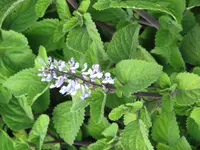
Shingle plant Care (Rhaphidophora hayi)

About Shingle plant

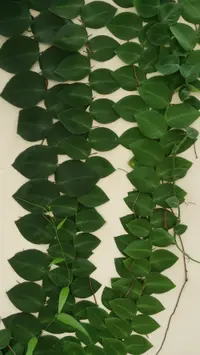
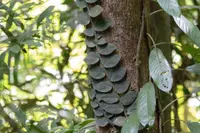
Rhaphidophora hayi, commonly called shingle plant, is a tropical climbing aroid with small, flat leaves that press tightly against a surface as it grows. It naturally occurs in rainforests of New Guinea and northeastern Australia, where it creeps up tree trunks and rocks.

Indoors it is usually grown on a board, pole, or wall to show its neat, overlapping foliage. It is considered moderately easy if you provide steady warmth, good humidity, and a support to climb.

Those learning how to care for Shingle plant should know it prefers bright, indirect light, evenly moist but not waterlogged soil, and a well-draining potting mix suited to aroids.

Main Plant Requirements

Care Difficulty

Moderate Care

Light Preference

Bright Indirect Light

Water Requirements

Keep Soil Moist

Temperature Preference

Tropical / Frost Sensitive

Hardiness Zone

11–12

Soil Texture

Loamy, Peaty, Organic-rich

Soil pH

Acidic (5.5–6.5), Slightly acidic (6.5–7.0)

Soil Drainage

Moist but well-drained

Fertilization

Light (every 4–6 weeks)

Get Personalized Care Plan

Scan your plant to receive care tips personalized for your specific plant

Personalized Care in the App

Available on iOS and Android

How to Care for the Shingle plant

This species prefers bright, indirect light that mimics dappled forest conditions for steady growth.

  • Provide 6–8 hours of bright, filtered light each day, such as near an east or north window or under a sheer curtain for Shingle plant indoor care.
  • Tolerates partial shade, but in very low light the leaves may space out and growth will slow; consider a weak grow light in darker seasons.
  • Avoid strong midday or afternoon sun, especially behind glass, which can cause leaf scorch; morning sun for 1–3 hours is usually safe if filtered.

Rhaphidophora hayi prefers consistently lightly moist soil, not soggy or bone dry.

  • Water when the top 2–4 cm of soil feels dry, using your finger to check rather than following a fixed schedule.
  • Use a sharply draining mix and a pot with drainage holes so excess water runs out, reducing risk of root rot and yellowing, mushy leaves.
  • In spring–summer, you will usually water more often; in fall–winter, allow the soil to dry a bit deeper, watching for slight leaf curl as a sign to water.

This plant grows best in stable, warm conditions with no exposure to frost.

  • Aim for 65–80°F (18–27°C) for active growth; short dips to 60°F (16°C) are usually tolerated but may slow development.
  • Avoid temperatures below 55°F (13°C); prolonged cold can damage roots and foliage, especially if the soil is wet.
  • Protect from hot drafts and heat above 90°F (32°C), which can cause wilting and leaf scorch; increase airflow and humidity during heat waves.

This species prefers consistently moderate to high humidity for compact, healthy shingling growth.

  • Aim for 60–80% humidity; it survives around 40–50% but growth slows and leaves may stay smaller.
  • In dry air, leaf edges may brown, tips may crisp, and new leaves can emerge deformed or fail to flatten against the support.
  • Increase humidity with a nearby humidifier, grouped plants, or a pebble tray under the Shingle plant, rather than misting alone.

Rhaphidophora hayi needs a loose, airy, fast-draining mix that still holds some moisture around the roots.

  • Use a mix of roughly 40% peat or coco coir, 30% fine orchid bark, 20% perlite, and 10% compost for structure and nutrients.
  • Aim for slightly acidic to neutral pH, around 6.0–7.0, which supports nutrient uptake and root health.
  • Ensure the mix drains within a few seconds when watered; soggy, heavy, or compacted substrates greatly increase the risk of root rot.
  • Improve aeration by adding extra perlite or bark if the pot feels heavy for its size or the surface stays wet for several days.

This climbing aroid is well suited to container growing when the pot supports vertical attachment.

  • Select a pot heavy or wide enough to counterbalance the mounted board or pole so the container does not tip as vines extend.
  • Choose slightly snug pot diameter to keep roots dense, which helps moisture use stay consistent in a tall support setup.
  • Use a container material that matches your watering style, such as porous terracotta for wetter homes or plastic for drier environments.

Rhaphidophora hayi responds well to light, consistent feeding during the active growing season.

  • Use a balanced liquid fertilizer (such as 10-10-10 or 20-20-20) diluted to 1/4–1/2 strength for Shingle plant indoor care.
  • Apply every 4–6 weeks in spring and summer on moist soil to limit root burn risk.
  • Pause or reduce feeding to once in 8–10 weeks during fall and winter when growth slows.
  • Organic options like mild compost extract or worm castings can be added sparingly to support soil health.

Pruning Rhaphidophora hayi helps control spread on its support and keeps the foliage tidy.

  • Best time is late winter to early spring before vigorous growth begins.
  • Remove dead, yellowing, or damaged leaves and any stems that detach from the climbing surface.
  • Trim overly long or crowded runners to maintain a flat, shingling growth pattern.
  • Use clean, sharp scissors or pruners, making cuts just above a node to encourage branching.

Container-grown Rhaphidophora hayi benefits from occasional repotting to refresh soil and manage root growth.

  • Repot every 2–3 years or when roots circle the pot, push through drainage holes, or growth slows despite good care.
  • Aim for early spring, choosing a pot only 2–5 cm wider with fresh, well-draining aroid mix.
  • Gently loosen circling roots and keep the root ball slightly intact to limit transplant shock.
  • Water thoroughly after repotting, then keep in bright, indirect light and avoid heavy feeding for 2–3 weeks.

New Rhaphidophora hayi plants are most often produced from stem cuttings taken from healthy vines.

  • Take cuttings in late spring or early summer, each with 1–2 nodes and at least one leaf.
  • Place the node in water or a moist, airy mix, keeping humidity high and temperature around 70–80°F.
  • Ensure the node, not just the leaf, is in contact with the rooting medium for root formation.
  • Once roots reach 3–5 cm, pot into a small container with well-draining mix and provide gentle, indirect light.

This tropical species is frost-tender and must be kept above cool outdoor winter conditions in most climates.

  • Move outdoor containers indoors before temperatures drop below 55°F and keep away from drafts.
  • Maintain indoor temperatures around 65–80°F with bright, indirect light for stable growth.
  • Reduce watering so the top 2–3 cm of soil dry between waterings, and avoid heavy feeding.
  • If air is dry from heating, increase humidity using trays with water and pebbles or a humidifier.

Care Tips

Use flat support

Provide a flat, vertical board or slab covered with sphagnum moss or coco fiber so the plant can shingle tightly instead of wandering in loose vines.

Secure new nodes

As each new node appears, pin or tape it gently against the support with soft garden tape so aerial roots make firm contact and anchor quickly.

Encourage root contact

Lightly mist the support surface rather than the foliage, especially around young nodes, to keep it just damp enough for aerial roots to attach without staying wet for long periods.

Rotate the mount

Rotate the pot or board by 90° every 2–3 weeks so leaves develop evenly and the plant does not lean or twist away from the light source while growing Shingle plant in one direction.

Plan for height

Choose a support that is at least 60–90 cm tall from the start, or use an extendable plank or moss pole, to avoid disturbing established roots and stems later when the plant reaches the top.

Common Pests and Diseases

Spider mites

This pest often appears when Rhaphidophora hayi is grown in warm, dry indoor air, causing fine speckling on leaves and faint webbing along the shingled stems or mounting board. Symptoms include dull, stippled foliage and slow decline if the infestation is heavy.

Solution

Rinse both sides of the leaves and the mounting surface under a gentle shower, then wipe to remove mites and webs; repeat weekly until clear. Increase humidity to 50–60%, improve air movement, and treat remaining mites with insecticidal soap or neem oil, ensuring full coverage of leaf undersides and crevices along the shingle line.

Scale insects

These insects attach along stems and the edges where leaves press against a totem or board, appearing as small tan or brown bumps. Symptoms include sticky honeydew, sooty mold on surfaces below the plant, and weakened, yellowing leaves.

Solution

Manually scrape or wipe off visible scales with a cotton swab dipped in isopropyl alcohol, then clean the foliage and support board with a damp cloth. Follow up with 2–3 treatments of horticultural oil or neem oil at 7–10 day intervals, taking care to reach the tight spaces between the shingled leaves and their support.

Thrips

This pest favors the thin, closely overlapping leaves, leaving silvery streaks, distorted new growth, and black specks of frass along the veins. Symptoms include ragged, pale young leaves, especially near the plant’s growing tip on a moss pole or board.

Solution

Isolate the plant, then rinse foliage thoroughly and prune the most damaged leaves. Use sticky traps to monitor adults and apply insecticidal soap or a systemic insecticide labeled for indoor ornamentals, repeating treatments through at least one full life cycle while regularly checking the new growth along the climbing surface.

Bacterial leaf spot

This disease can develop when water sits on tightly shingled leaves in warm, stagnant air, creating small water-soaked lesions that turn brown with yellow halos. Symptoms include irregular spots that may follow the leaf veins and can merge into larger dead patches.

Solution

Remove and discard affected leaves, sterilizing scissors between cuts, and avoid overhead watering or misting that leaves water trapped between overlapping leaves. Improve airflow around the mounting surface, let the top layer of the substrate dry slightly between waterings, and, if spread continues, use a copper-based bactericide according to label directions.

Edema

Symptoms include small corky, blister-like bumps or patches on the lower leaves that have grown where the plant stays very moist while humidity is high and light is moderate. This physiological disorder is tied to roots taking up water faster than the leaves can release it, which is more likely on a vertical mount or in a tight pot with low transpiration.

Solution

Allow the substrate to dry a bit more between waterings, ensuring that excess water drains freely and the plant is never left standing in a saucer of water. Increase light to the bright-indirect range and maintain steady humidity rather than frequent misting, as existing spots will remain but new growth should emerge normal once watering is adjusted.

Interesting Facts

Natural tree shingler

In its native habitats of New Guinea and northern Queensland, this species grows flat against tree trunks, with each leaf tightly overlapping the next like roof shingles, a growth form called appression that helps it compete for limited light on rainforest trees.

Dimorphic leaf strategy

The plant produces only small, oval, shingling juvenile leaves when it climbs surfaces, and it rarely develops larger, adult foliage unless it reaches brighter, more exposed positions higher in the canopy.

Tribe-level relationships

This species belongs to the aroid tribe Monstereae, making it a close relative of Monstera and Epipremnum, and it shares their climbing habit but is unusual in the group for keeping its leaves flat and unfused to the substrate instead of forming free-hanging vines.

FAQs about Shingle plant

Yellow leaves usually result from overwatering, poor drainage, or extended low light. Check the root zone for sogginess, improve aeration, remove affected leaves, and adjust watering frequency so the potting mix partially dries between waterings.

Grow Healthy Plants with Botan Care

Keep your plants happy and healthy with plant identification, disease detection, and easy care guidance.


Botan plant care app — identify plants on mobile

Explore More Plants