English Ivy Care (Hedera helix)

Also known as: English Ivy, ivy

About English Ivy

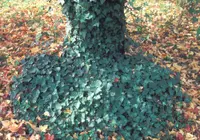
English ivy, Hedera helix, is a woody evergreen vine grown for its dense, glossy foliage and its ability to climb or trail. It is often used in hanging baskets, topiaries, or as groundcover.

In nature it occurs across much of Europe and western Asia, where it climbs trees, walls, and rocks using small aerial rootlets. Indoors, it stays more compact but still tends to form long, flexible stems.

This plant is relatively adaptable but reacts poorly to extremes, especially very dry air, waterlogged soil, or deep shade. Basic knowledge of how to care for English Ivy helps prevent common problems such as leaf drop and pest issues.

Main Plant Requirements

Care Difficulty

Easy Care

Light Preference

Partial Shade

Water Requirements

Moderate Water

Temperature Preference

Cold Hardy

Hardiness Zone

4–9

Soil Texture

Loamy, Clay, Organic-rich

Soil pH

Acidic (5.5–6.5), Slightly acidic (6.5–7.0)

Soil Drainage

Moist but well-drained

Fertilization

Light (every 4–6 weeks)

Get Personalized Care Plan

Scan your plant to receive care tips personalized for your specific plant

Personalized Care in the App

Available on iOS and Android

How to Care for the English Ivy

This species favors bright, indirect light but adapts to a range of outdoor exposures.

  • Provide 3–6 hours of bright, filtered light daily; morning sun with afternoon shade suits English Ivy outdoors.
  • Tolerates partial to full shade, but very deep shade leads to sparse growth and larger, pale leaves over time.
  • Protect from intense midday and late-afternoon sun, which can scorch foliage, especially in heatwaves or against reflective walls.

Hedera helix prefers evenly moist but not saturated soil once established.

  • Water when the top 2–4 cm of soil feels dry, allowing deeper roots to stay slightly moist while avoiding soggy conditions.
  • Increase watering during hot, dry spells and reduce it in cool or dormant seasons, watching leaf firmness and color as guides.
  • Yellowing, soft leaves and a musty smell indicate overwatering and poor drainage; crisp, browning leaf edges signal underwatering.

This ivy tolerates a wide temperature range but grows best in mild conditions.

  • Active growth occurs around 55–75°F (13–24°C), with the strongest vigor in cool to moderate climates.
  • Established plants can survive brief drops to about 10–15°F (-12–-9°C), though foliage may burn or die back in harsh winters.
  • Prolonged heat above 85°F (29°C), especially with dry air and strong sun, can stress plants, so provide shade and consistent soil moisture in summer.

This species grows well in typical home humidity but benefits from slightly moist air.

  • Aim for 40–60% humidity to balance foliage health and disease risk.
  • It tolerates short dry spells, but very dry heated rooms can cause crispy leaf edges and brown tips.
  • Increase humidity with grouped plants, a pebble tray under the pot, or brief, fine misting directed away from the leaf surface late in the day when caring for English Ivy.

Hedera helix prefers slightly moist, airy soil that drains freely yet holds some organic matter.

  • Use a peat- or coco-based mix with added compost and perlite or fine bark to create a loose, loamy structure.
  • Ensure rapid drainage; water should flow out within seconds, not sit on the surface or pool in the pot tray.
  • Keep pH slightly acidic to neutral, around 6.0–7.0, which supports nutrient uptake and root activity.
  • Avoid compacted, heavy clay or mixes with large amounts of fine sand that cause waterlogging or suffocation of roots.

This species is well suited to container growing for both hanging and trailing displays.

  • Choose a wide, shallow pot to accommodate its fibrous, surface-skimming roots and spreading habit without wasting depth.
  • Use a slightly heavier pot or add weight at the base to prevent tipping as vines trail or climb supports.
  • Select materials that moderate moisture, such as unglazed clay, to reduce the risk of chronically wet roots in cool conditions.

Hedera helix benefits from light, consistent feeding rather than heavy fertilization.

  • Use a balanced liquid fertilizer (for example 10-10-10) at 1/2 strength every 4–6 weeks in spring and summer.
  • For English Ivy in containers, choose a product formulated for foliage houseplants or apply a thin layer of mature compost on top of the soil.
  • Skip feeding in late fall and winter when growth slows, unless the plant is under strong indoor light and still actively growing.
  • Always water lightly before applying fertilizer to reduce root burn risk.

Pruning helps Hedera helix stay dense, controlled, and healthy in both indoor and outdoor settings.

  • Plan main pruning for late winter or early spring, with light trimming possible through the growing season.
  • Remove dead, damaged, or diseased stems first, then cut back overly long or crowded shoots to a leaf node.
  • Use clean, sharp scissors or hand pruners to make precise cuts and reduce the chance of infection.
  • Shaping vines by shortening vigorous stems encourages bushier side growth and maintains the desired outline on walls, trellises, or pots.

Container-grown Hedera helix tolerates being slightly root-bound but benefits from occasional repotting or transplanting.

  • Check for roots circling the pot, emerging from drainage holes, or noticeably slowed growth as signs it needs more space.
  • Plan repotting or outdoor transplanting in early spring, every 2–3 years for houseplants or when roots clearly fill the container.
  • Choose a pot only 2–5 cm wider, use a well-draining mix, and gently loosen circling roots without tearing them heavily.
  • Water thoroughly after repotting, then keep the plant in bright, indirect light and slightly drier soil for 1–2 weeks to limit stress.

Hedera helix is commonly propagated from stem cuttings and simple layering.

  • Take 8–12 cm stem cuttings in spring or early summer, each with several leaves and at least 2–3 nodes.
  • Remove lower leaves, then place cuttings in moist, well-draining mix or water, keeping 1–2 nodes buried for rooting.
  • Maintain bright, indirect light, high humidity, and around 65–75°F until new roots and shoots develop.
  • For layering, pin a still-attached stem to soil so its nodes contact the surface; once rooted, cut and pot separately.

Hedera helix is generally cold hardy outdoors but container plants and young specimens benefit from simple winter care.

  • Most established plants tolerate light to moderate frost, but extreme cold or drying winds can damage foliage.
  • Mulch the root zone with 5–8 cm of leaf mold or bark to buffer temperature swings and conserve moisture.
  • Move containers to a sheltered, unheated but frost-free spot, such as a cold porch or bright garage, in very cold climates.
  • Brush heavy snow gently off vines on walls or trellises to reduce breakage of stems.

Care Tips

Strategic Vine Training

Use soft plant ties to loosely secure new vines to a trellis or support in the direction you want them to grow, checking every 4–6 weeks to redirect or remove stems that start to crowd or tangle.

Regular Mite Monitoring

Inspect the undersides of leaves and stem joints every 1–2 weeks with a hand lens, and at the first sign of webbing or stippling, isolate the plant and wash foliage thoroughly with a strong but gentle tepid water spray before using any targeted miticide if needed.

Quarantine New Plants

Keep any newly purchased or gifted plants at least 1–2 m away from established ivy for 2–3 weeks, monitoring for pests or leaf spots before placing them near existing specimens.

Manage Aerial Roots

If vines are attaching to walls or furniture with aerial roots, slide dental floss or fishing line behind the stems to gently detach them, then wipe the surface with a damp cloth to remove remaining root fragments.

Seasonal Growth Control

During peak growth in spring and early summer, pinch or trim overly long runners every 3–4 weeks to keep the plant compact and to encourage denser branching, which simplifies caring for English Ivy indoors over time.

Common Pests and Diseases

Spider mites

This pest causes fine webbing, tiny yellow stippling on leaves, and general leaf dullness, especially in dry indoor air. Symptoms include slow decline and leaf drop if colonies become dense.

Solution

Rinse foliage thoroughly with a strong but gentle stream of lukewarm water, including leaf undersides, then repeat every few days for several cycles. Increase humidity around the plant, improve air movement, and use an insecticidal soap or neem oil spray labeled for mites, applied carefully to all leaf surfaces according to English Ivy care instructions.

Scale insects

These insects appear as small, dome-shaped brown or gray bumps on stems and leaf veins, often with sticky honeydew on surfaces below. Symptoms include yellowing, stunted growth, and weakened vines over time.

Solution

Physically remove visible scale with a cotton swab dipped in rubbing alcohol, focusing on stems and leaf midribs. Follow up with repeated applications of horticultural oil or insecticidal soap, and prune heavily infested stems to reduce population size and improve plant recovery.

Leaf spot (Xanthomonas)

This disease causes small, water-soaked spots that turn dark brown to black, often with yellow halos, on older and younger leaves. Symptoms include progressive spotting, leaf yellowing, and premature leaf drop, especially in plants kept too wet or crowded.

Solution

Remove and discard affected leaves, then avoid overhead watering and splashing to keep foliage dry. Improve air circulation, reduce leaf crowding by light pruning, and if needed use a copper-based fungicide/bactericide labeled for bacterial leaf spot on ornamentals, following label directions carefully.

Leaf spot (Colletotrichum)

This disease produces tan to brown irregular lesions with darker edges, sometimes merging to kill large leaf areas. Symptoms include thinning foliage and dieback on stressed or overwatered vines.

Solution

Cut off and discard infected leaves and any severely affected stems, cleaning tools between cuts. Keep the plant in moderate, not excessive, moisture, water at the soil line, and apply a suitable ornamental fungicide if spotting continues despite improved cultural conditions.

Aphids

These insects cluster on tender shoot tips and the undersides of young leaves, sucking sap and excreting sticky honeydew. Symptoms include distorted new growth, curling leaves, and increased risk of sooty mold on honeydew-covered surfaces.

Solution

Wash the plant thoroughly with a gentle water spray to dislodge colonies, repeating as needed. For persistent infestations, apply insecticidal soap or neem oil to all growing tips and leaf undersides, and prune back heavily infested shoot tips to remove most of the population at once.

Interesting Facts

Juvenile vs. adult forms

This species shows clear heterophylly, meaning the juvenile climbing stage has lobed leaves and no flowers, while the adult, non-climbing stage develops unlobed, diamond-shaped leaves and produces flowers and fruits.

Adhesive climbing strategy

It climbs surfaces using adventitious roots that secrete a glue-like substance and form tiny root hairs, allowing the plant to anchor onto rough bark, stone, or brick without twining or tendrils.

Late-season nectar source

In its flowering adult form, it blooms very late in the season, often in fall, providing an important nectar and pollen source for bees, hoverflies, and other insects when few other plants are in bloom.

Botan icon

Did you know?

Genetic studies show that many naturalized and invasive English ivy populations outside its native range are dominated by only a few closely related cultivars, indicating that a small number of introduced lineages have been especially successful at colonizing new environments.

FAQs about English Ivy

Yellow leaves usually come from overwatering, poor drainage, or low light. Check the potting mix, empty saucers, and improve airflow. Older leaves yellowing near the base is normal aging, especially on dense or older vines.

Grow Healthy Plants with Botan Care

Keep your plants happy and healthy with plant identification, disease detection, and easy care guidance.

Botan plant care app — identify plants on mobile

Explore More Plants