Encourage Compact Growth
Pinch back the soft tips of stems every 4–6 weeks to keep growth dense and low, which prevents the plant from becoming leggy and helps maintain its decorative foliage texture when growing Pilea spruceana.

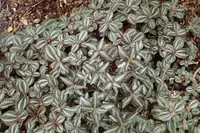
Pilea spruceana, often called the copper plant or silver tree pilea, is a compact tropical perennial grown mainly for its textured foliage. It forms low, spreading clumps that suit small pots, terrariums, and indoor displays. Leaves are usually dark bronze or coppery with silver markings, giving a metallic look. The plant occurs naturally in humid, shaded forests of Central and South America. Its preference for stable warmth and moisture makes it moderately easy indoors if conditions are consistent. Light, loose soil and gentle, indirect light are usually enough to care for Pilea spruceana without many problems.

Care Difficulty
Moderate Care

Light Preference
Bright Indirect Light

Water Requirements
Moderate Water

Temperature Preference
Tropical / Frost Sensitive

Hardiness Zone
11–12

Soil Texture
Loamy, Peaty, Organic-rich

Soil pH
Acidic (5.5–6.5), Slightly acidic (6.5–7.0)

Soil Drainage
Moist but well-drained

Fertilization
Light (every 4–6 weeks)
Scan your plant to receive care tips personalized for your specific plant
Available on iOS and Android
This compact species prefers soft, filtered light that mimics an understory forest position.
This plant prefers evenly moist, well-aerated substrate rather than cycles of full drying or saturation.
This species prefers stable, mild warmth without abrupt temperature swings.
This species prefers moderately humid air and reacts quickly to very dry rooms.
This plant needs a light, airy mix that holds moisture briefly but drains fast.
This species grows very well in containers when moisture and root space are controlled carefully.
This compact foliage plant benefits from light, consistent feeding during the active growing season.
Targeted pruning keeps this small pilea dense, tidy, and healthy.
This species prefers slightly snug pots but benefits from periodic repotting to refresh the root zone.
This plant is commonly multiplied from stem cuttings, which root reliably in warm, humid conditions.
This tropical houseplant is not frost hardy and needs indoor conditions in winter.

Plant Health Check
Not sure what's wrong with your plant? Check your plant's health inside the app.
Pilea spruceana stays naturally small and low-growing in its native range, forming creeping clumps rather than tall stems, which is why it is often used as a foreground or terrarium plant rather than a centerpiece specimen.
The leaves have a slightly blistered texture with a metallic sheen caused by the way light reflects off the upper leaf cells, giving some clones a coppery or silvery appearance depending on light angle.
Wild-collected material and cultivated lines show noticeable variation in leaf color, pattern, and texture, so plants sold under the same name can range from dark, almost black foliage to more bronzed or silvery forms.
Brown, crispy edges usually result from low humidity, underwatering, or fertilizer buildup in the potting mix. Increase ambient humidity, water evenly, and flush the soil periodically to remove salts. Direct heater or AC airflow can worsen browning.
Keep your plants happy and healthy with plant identification, disease detection, and easy care guidance.