Purple Passion Plant Care (Gynura aurantiaca)

Also known as: purple passion plant

About Purple Passion Plant

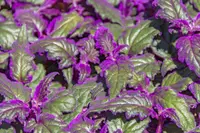
Purple passion plant, Gynura aurantiaca, is a tropical evergreen perennial grown mainly as a compact houseplant. It is valued for its soft, purple, velvety foliage that appears to glow in bright light. In nature, it occurs in parts of Southeast Asia, where it grows in warm, humid, partially shaded environments. Indoors it usually stays small and bushy but can develop trailing stems if not pruned. This species grows relatively fast and is considered moderate in difficulty, mainly because it dislikes overwatering and cold drafts. It prefers bright indirect light, lightly moist but well-drained soil, and good air circulation, which guides how to care for Purple Passion Plant in most homes.

Main Plant Requirements

Care Difficulty

Moderate Care

Light Preference

Bright Indirect Light

Water Requirements

Moderate Water

Temperature Preference

Tropical / Frost Sensitive

Hardiness Zone

11–12

Soil Texture

Loamy, Sandy, Organic-rich

Soil pH

Acidic (5.5–6.5), Slightly acidic (6.5–7.0)

Soil Drainage

Moist but well-drained

Fertilization

Light (every 4–6 weeks)

Get Personalized Care Plan

Scan your plant to receive care tips personalized for your specific plant

Personalized Care in the App

Available on iOS and Android

How to Care for the Purple Passion Plant

This species prefers bright, indirect light to maintain its purple leaf color without scorching.

  • Provide 6–8 hours of bright, filtered light daily, such as near an east- or north-facing window or under light shade outdoors.
  • Morning sun with afternoon shade is ideal; protect Purple Passion Plant from harsh midday sun that can fade foliage and cause leaf burn.
  • In low light, stems stretch and color dulls; move closer to a light source or add grow lights, especially in short winter days.

Watering should keep the root zone lightly moist but never saturated.

  • Allow the top 2–3 cm of soil to dry before watering; check by feeling the surface rather than following a fixed schedule.
  • Use a free-draining mix and ensure excess water can escape; yellowing, limp leaves and a sour smell suggest overwatering and possible root rot.
  • Crisp, drooping leaves and dry soil pulling from the pot edges indicate underwatering; in winter, when growth slows, let the soil dry slightly deeper.

Consistent warmth supports compact, colorful growth for this species.

  • Aim for 65–80°F (18–27°C) for active growth; below 60°F (16°C) growth slows and color quality may decline.
  • Protect from cold; brief drops to 50–55°F (10–13°C) are usually survivable, but frost below 32°F (0°C) can kill stems and roots.
  • In hot spells above 85°F (29°C), give shade, good air movement, and slightly higher humidity to reduce stress and leaf scorch.

This species prefers moderately humid air but usually copes with typical indoor levels.

  • Aim for 40–60% humidity to keep foliage color and texture at their best.
  • It tolerates short periods of drier air, but very low humidity can crisp leaf edges and dull the purple hairs.
  • Increase humidity with a nearby humidifier or pebble tray, rather than misting, to avoid wet foliage and fungal issues.

This plant prefers a loose, organic-rich, fast-draining substrate that stays lightly moist but never waterlogged.

  • Use a base of peat or coco coir with added perlite or pumice and a small amount of compost to provide both structure and nutrients.
  • Aim for a slightly acidic to neutral pH around 6.0–7.0, which supports nutrient availability for Gynura aurantiaca.
  • Ensure the mix drains freely by avoiding heavy garden soil or high clay content that compacts and suffocates roots.
  • Improve aeration further by including coarse material like fine bark chips so water moves through while roots receive enough oxygen.

This species is well suited to container culture due to its manageable root system and trailing growth.

  • Choose a wide, shallow pot to support spreading stems and prevent the container from tipping as foliage lengthens.
  • Select a relatively lightweight pot material if the plant will be moved often, since dense, moist soil can make larger containers cumbersome.
  • Ensure drainage holes are unobstructed so excess water exits quickly, preventing roots from sitting in stagnant moisture that encourages rot.

This plant responds well to light, consistent feeding during its active growth period.

  • Use a balanced liquid fertilizer (for example 10-10-10) at 1/4–1/2 strength for Purple Passion Plant in spring and summer.
  • Apply every 2–4 weeks when growth is strong, always on moist soil to avoid root burn.
  • Pause or reduce feeding to once every 6–8 weeks in fall and winter, using very dilute solution.
  • Organic options like fine compost or worm castings can be mixed sparingly into the potting mix each spring.

Thoughtful pruning keeps Gynura aurantiaca compact, bushy, and visually dense.

  • Prune in late winter to early spring, just before strong new growth begins.
  • Pinch or trim soft stem tips to encourage branching and a fuller, trailing or mounded shape.
  • Remove dead, damaged, or crowded stems with clean, sharp scissors or pruners to reduce disease risk.
  • Cut back overly long, leggy shoots by 1/3–1/2 to renew foliage color and manage plant size.

Container-grown plants benefit from periodic repotting to maintain root health and vigor.

  • Repot when roots circle the pot, emerge from drainage holes, or growth slows despite correct care.
  • Best timing is early spring, allowing the plant to recover quickly during the main growing season.
  • Move Gynura aurantiaca into a pot only 2–5 cm wider with fresh, airy potting mix to prevent waterlogging.
  • Handle roots gently, keep the original root ball mostly intact, water thoroughly, then keep in bright, indirect light for 3–7 days.

Stem cuttings are the most reliable way to create new plants from this species.

  • Take 7–10 cm non-flowering tip cuttings in spring or early summer with a clean, sharp blade.
  • Remove lower leaves, leaving 2–3 at the top, and optionally dip the cut end in rooting hormone.
  • Place cuttings in moist, well-drained mix or water, keeping temperatures around 68–75°F and humidity moderate.
  • Provide bright, indirect light and keep the medium just moist until roots form, then pot individually.

This tropical species is frost tender and needs mild, stable conditions through winter.

  • Keep plants above 55°F; growth slows and tissue may be damaged at lower temperatures.
  • Move outdoor containers indoors before first frost, placing them in bright, indirect light.
  • Avoid cold drafts, heater blasts, and sudden temperature swings that stress foliage.
  • Water less often but do not allow the root ball to dry out completely during the cooler months.

Care Tips

Refresh Leggy Stems

Every 1–2 years, take 8–10 cm tip cuttings from the healthiest, most purple stems, root them in fresh mix, and replant a new, denser plant instead of trying to rescue an overly woody, stretched specimen.

Encourage Bushy Growth

Pinch out the soft stem tips every 3–4 weeks during active growth and use the pinched pieces as cuttings, which keeps the plant compact while providing free propagation material.

Control Flowering Strategically

As soon as you see bud clusters forming, remove them with clean scissors to reduce the plant’s energy use and keep foliage fuller, unless you specifically want to observe the flowers.

Rotate For Even Color

Rotate the pot by 90° every 1–2 weeks so all sides receive similar light, which helps maintain even purple coloration and reduces one-sided, weak growth.

Seasonal Pest Checks

Inspect the undersides of leaves and along fuzzy stems with a hand lens every 2–3 weeks in spring and summer, and at the first sign of mites or aphids, rinse the plant under lukewarm water and follow with a targeted insecticidal soap treatment, an important step in caring for Purple Passion Plant long term.

Common Pests and Diseases

Spider mites

This pest thrives in dry indoor air and feeds on the soft, hairy foliage, causing dull, stippled leaves and fine webbing between stems and leaf undersides.

Solution

Rinse foliage thoroughly with a gentle but strong stream of lukewarm water, then repeat every few days; increase humidity around the plant and isolate it from others. If needed, apply an insecticidal soap or neem oil spray, focusing on the leaf undersides, and repeat treatments according to label directions until no new damage appears.

Aphids

These insects cluster on tender shoot tips and new leaves, sucking sap and causing distorted, curling growth and sticky honeydew deposits on the vivid purple foliage.

Solution

Prune off heavily infested shoot tips and wash the remaining stems and leaves with a mild soapy water solution, then rinse well. For ongoing issues, use insecticidal soap or neem oil and check nearby plants, as aphids often spread between close-growing houseplants when caring for Purple Passion Plant.

Mealybugs

This pest appears as white, cottony clusters in leaf axils and along stems, weakening the plant and dulling the leaf color over time.

Solution

Dab visible insects with cotton swabs dipped in 70% isopropyl alcohol, then wipe down stems and leaf bases to remove hidden pests. Follow up with a light application of neem oil or insecticidal soap every 7–10 days and avoid overfertilizing, which can encourage soft, susceptible growth.

Powdery mildew

This disease shows up as a white, powdery coating on the velvety leaves, which can lead to faded color, leaf distortion, and premature leaf drop in stagnant, humid air.

Solution

Remove and discard the most affected leaves, then improve airflow by thinning dense growth and avoiding overcrowding with other plants. Keep foliage dry, water the root zone directly, and, if needed, apply a sulfur or potassium bicarbonate-based fungicide suitable for indoor ornamentals, following label directions carefully.

Botrytis blight

This disease causes soft, brown lesions on leaves and stems that may develop fuzzy gray mold, often starting on old or damaged foliage in cool, humid, low-light conditions.

Solution

Promptly cut off and discard all affected plant parts, then reduce humidity around the plant and ensure good air circulation by spacing plants and avoiding cold drafts. Allow the top of the potting mix to dry slightly between waterings, keep foliage dry, and use a labeled indoor fungicide only if cultural corrections do not stop new lesions from forming.

Interesting Facts

Velvet caused by tiny hairs

The intense purple color and velvety feel of the leaves come from dense, light-scattering hairs called trichomes, which are actually orange but appear purple because of pigments in the leaf tissue beneath them.

Color changes with light

Leaf color can shift from duller greenish-purple in low light to a more vivid, almost neon purple when the plant receives bright indirect light, because pigment production responds to light intensity.

Native to Java uplands

This species originates from the upland regions of Java in Indonesia, where it typically grows in warm, humid, partially shaded environments rather than in full tropical sun.

Botan icon

Did you know?

In older botanical literature this species was often confused with and mislabeled as related Gynura species, so historic references to Purple Passion Plant in cultivation records may not always refer to the exact same taxon grown today.

FAQs about Purple Passion Plant

This species often delays flowering until stems are older and slightly root-bound. Flowers are naturally sparse and seasonal. Stress from repotting, heavy pruning, or frequent moving can also pause bud formation for several months.

Grow Healthy Plants with Botan Care

Keep your plants happy and healthy with plant identification, disease detection, and easy care guidance.


Botan plant care app — identify plants on mobile

Explore More Plants