Arabica coffee Care (Coffea arabica)

Also known as: Coffee, Arabica Coffee, Kona Coffee

About Arabica coffee

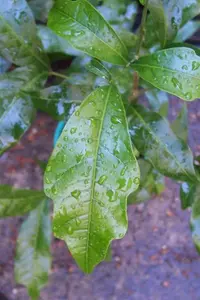
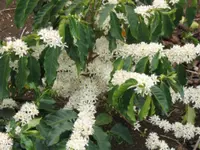
Arabica coffee, Coffea arabica, is an evergreen shrub or small tree grown for its glossy foliage and fragrant white flowers, followed by red coffee cherries. In homes it is usually kept as a compact potted plant with dense, bushy growth and attractive dark green leaves.

This species is native to the highlands of Ethiopia and surrounding regions, where it grows in warm, humid, partially shaded forests. It can be moderately challenging for beginners, as it dislikes dry air, irregular watering, and poor drainage. Those who learn how to care for Arabica coffee find it manageable indoors if light, moisture, and temperature stay reasonably stable.

Main Plant Requirements

Care Difficulty

Moderate Care

Light Preference

Bright Indirect Light

Water Requirements

Keep Soil Moist

Temperature Preference

Tropical / Frost Sensitive

Hardiness Zone

10–11

Soil Texture

Loamy, Peaty, Organic-rich

Soil pH

Strongly acidic (4.5–5.5), Acidic (5.5–6.5)

Soil Drainage

Moist but well-drained

Fertilization

Moderate (every 2–4 weeks)

Get Personalized Care Plan

Scan your plant to receive care tips personalized for your specific plant

Personalized Care in the App

Available on iOS and Android

How to Care for the Arabica coffee

This plant prefers bright, gentle light that mimics a high-elevation tropical understory.

  • Provide 4–6 hours of bright, indirect light daily; morning sun with light afternoon shade or dappled light under taller plants suits Arabica coffee well.
  • Avoid harsh midday and late-afternoon sun, which can scorch leaves, cause brown leaf edges, and leave a dull, yellowish cast on exposed foliage.
  • In winter, move plants slightly closer to windows or into brighter positions, but maintain filtered light using sheer curtains or light shade cloth if needed.

This species favors evenly moist but not waterlogged soil throughout the growing season.

  • Water thoroughly when the top 2–4 cm of soil feels dry, allowing excess to drain so roots sit in moist, not saturated, conditions.
  • Reduce watering frequency slightly in cooler months, but do not allow the root zone to dry out completely for extended periods.
  • Watch for pale, crisp leaf edges and drooping shoots as signs of underwatering, and for yellowing lower leaves, soft stems, and sour-smelling soil as signs of overwatering.

Stable, mild warmth supports steady growth and reduces stress in this coffee species.

  • Aim for 65–80Β°F (18–27Β°C) for active growth, as this range supports photosynthesis and root activity without heat stress.
  • Protect plants from temperatures below 50Β°F (10Β°C); brief drops near this level may slow growth, while freezing conditions can kill foliage and young stems.
  • In hot spells above 86Β°F (30Β°C), provide extra shade and airflow, and avoid placing plants near heat sources or cold drafts that cause rapid temperature swings.

This species prefers fairly humid air and reacts quickly to dry indoor conditions.

  • Target 50–70% humidity; plants tolerate brief dips to 40% but growth slows and leaf edges may crisp.
  • Watch for brown, curling leaf tips or increased spider mites as signs humidity is too low.
  • Increase humidity with grouped plants, a pebble tray kept wet below the pot base, or a room humidifier, which is especially helpful when caring for Arabica coffee.

This species prefers loose, moist, slightly acidic, organic-rich soil.

  • Use a loamy mix of 50–60% peat or coco coir with compost, plus 30–40% perlite or pumice for drainage and aeration.
  • Aim for pH 5.5–6.5, which supports nutrient uptake and reduces the risk of chlorosis, a yellowing of leaves from nutrient issues.
  • Blend in fine orchid bark or shredded pine bark to mimic Coffea arabica’s naturally airy, humus-rich forest soils.
  • Avoid heavy clay, unamended garden soil, or mixes that stay waterlogged, which favor root rot and stunted growth.

This species adapts well to container growing when the pot supports its deep, fibrous root system.

  • Choose a tall, slightly heavier pot to stabilize the upright, top-heavy canopy and reduce tipping in wind or accidental bumps.
  • Select materials like glazed ceramic or plastic if extra moisture retention is needed, since unglazed terracotta speeds surface drying.
  • Ensure a drainage layer is not used so roots occupy the full pot depth, but rely instead on large drainage holes and coarse, airy mix to clear water quickly.

Coffea arabica grown in containers responds well to moderate, balanced feeding during active growth.

  • Use a balanced liquid fertilizer (for example 10-10-10 or 20-20-20) at 1/2 strength every 4 weeks in spring and summer.
  • Alternatively, apply a slow-release balanced granular fertilizer at label rate at the start of spring.
  • Pause feeding in late fall and winter when growth slows in indoor conditions.
  • Flush the pot with plain water every 2–3 months to reduce salt buildup from fertilizers.

Pruning supports manageable size and healthy branching in Coffea arabica, especially indoors or in small spaces.

  • Best time for structural pruning is late winter to early spring before strong new growth starts.
  • Remove dead, diseased, crossing, or inward-facing branches to open the canopy and improve air flow.
  • Shorten overly tall or leggy stems to an outward-facing node to encourage bushier growth and more flowering shoots.
  • Use clean, sharp bypass pruners and make smooth cuts just above a node, avoiding heavy cuts into old wood.

Container-grown Arabica coffee benefits from occasional repotting to maintain root health and steady growth.

  • Repot every 2–3 years or when roots circle the pot, emerge from drainage holes, or growth slows despite good care.
  • Choose late winter to early spring so the plant can recover as days lengthen and new roots form quickly.
  • Move up only 2–5 cm in pot diameter, using fresh, well-drained, slightly acidic mix and gently loosening circling roots.
  • Water thoroughly after repotting, keep in bright indirect light, and avoid heavy fertilizing for 3–4 weeks to reduce root stress.

Arabica coffee is commonly propagated from fresh seed and semi-ripe stem cuttings under warm, humid conditions.

  • Sow fresh, cleaned seeds in spring in a sterile, slightly acidic mix at 70–80Β°F, barely covered and evenly moist.
  • Provide bright, indirect light and high humidity; germination may take 4–8 weeks, so maintain stable conditions.
  • For cuttings, take 8–12 cm semi-ripe tips with 2–3 nodes, remove lower leaves, and dip the base in rooting hormone.
  • Insert cuttings into a moist, free-draining mix, cover with a clear dome or bag for humidity, and ventilate to prevent rot.

Coffea arabica is frost-sensitive and needs mild, protected conditions during winter in most climates.

  • Move container plants indoors before temperatures drop below 50Β°F, placing them in bright, indirect light.
  • Keep indoor temperatures around 60–75Β°F and avoid cold drafts from windows or doors.
  • Reduce watering so the top 2–3 cm of soil dries between waterings, but do not let the root ball fully dry.
  • In mild climates, mulch the root zone 5–8 cm deep to buffer short cool spells and soil temperature swings.

Care Tips

Root zone monitoring

Use a simple moisture meter or a bamboo skewer pushed 5–7 cm into the root zone to check that the mid-root layer dries slightly between waterings, which helps prevent chronic root stress in Arabica plants grown indoors.

Gradual light adaptation

When moving the plant outdoors for summer or closer to a bright window, increase light exposure over 7–10 days using distance or sheer curtains, which reduces leaf scorch and drop in plants used to lower light.

Structured stem training

Pinch or lightly tip-prune the central stem when the plant is 20–30 cm tall, then select 3–4 evenly spaced side branches as a permanent framework to create a compact, bushy form that supports better flowering later.

Targeted pest scouting

Inspect the undersides of leaves and the midrib junctions every 1–2 weeks with a hand lens, focusing on new growth where scale, spider mites, and mealybugs first appear, so infestations are controlled before leaves yellow or curl.

Cool-season adjustment

In winter, slightly increase light exposure and reduce watering frequency while avoiding cold drafts, since this semi-dormant period is when many problems from overwatering and low light develop during caring for Arabica coffee.

Common Pests and Diseases

Coffee berry borer

This pest is a tiny beetle that bores into coffee cherries, damaging the seeds and reducing yield and quality. Symptoms include small entry holes in berries and premature fruit drop.

Solution

Collect and discard all infested and fallen berries, prune to keep the plant open and less attractive to beetles, and avoid leaving ripe fruit on the plant for long periods. In outdoor or farm settings, targeted biological controls such as Beauveria bassiana can be used; in small home plantings, strict sanitation and timely harvest are usually the most practical measures.

Coffee leaf rust

This disease is a fungal infection that produces yellow spots on the upper leaf surface and orange powdery pustules on the underside. Over time leaves yellow, drop early, and the plant weakens.

Solution

Remove and discard infected leaves, avoid overhead watering, and improve air movement around the plant by pruning crowded branches. In outdoor or plantation conditions, preventive copper-based fungicides are often used; for small-scale growing Arabica coffee, focus on good hygiene, consistent watering, and avoiding prolonged leaf wetness.

Coffee berry disease

This disease is a fungal infection that attacks green and ripening cherries, causing dark sunken lesions that expand and may cover the whole fruit. Affected berries often dry, blacken, and drop before maturity.

Solution

Promptly remove and destroy infected and fallen cherries, prune to open the canopy, and avoid dense, shaded, poorly ventilated conditions. In field situations, growers use protectant fungicide sprays timed to flowering and early fruit development; home growers should rely on sanitation, moderate shade, and avoiding overhead irrigation.

Coffee leaf miner

This pest is a small moth larva that tunnels inside leaves, creating pale, winding mines and blotches between the veins. Damaged leaves may yellow, curl, and drop, reducing plant vigor.

Solution

Hand-remove and discard mined leaves early to reduce the population, and encourage or protect natural predators such as parasitic wasps when outdoors. For larger infestations, use sticky traps to monitor adults and, if necessary, apply a horticultural oil or neem oil spray to young foliage, following label directions to avoid leaf burn.

Mealybugs

These insects are soft-bodied sap feeders that cluster on stems, leaf nodes, and roots, often covered with white cottony wax. Symptoms include sticky honeydew, sooty mold growth, yellowing leaves, and general decline.

Solution

Isolate the plant, then physically remove visible insects with a cotton swab dipped in 70% isopropyl alcohol and rinse the foliage with lukewarm water. For ongoing control, repeat alcohol spot-treatments, improve air circulation, avoid overfertilizing with high nitrogen, and use insecticidal soap or neem oil on aboveground parts, applied thoroughly and repeatedly until populations collapse.

Interesting Facts

Genetic narrowness

Modern cultivated arabica coffee plants come from a very small genetic base, which makes this species especially vulnerable to diseases such as coffee leaf rust caused by the fungus Hemileia vastatrix.

Natural forest understory

In its native highland forests of Ethiopia and neighboring regions, this species evolved as an understory shrub, adapted to bright but filtered light beneath taller trees rather than full, open sun.

Lower caffeine strategy

Compared with robusta coffee (Coffea canephora), this species naturally produces less caffeine, which is one reason its seeds have a milder, often sweeter flavor profile and slightly less inherent pest resistance.

Botan icon

Did you know?

Wild populations of this species in Ethiopia and South Sudan are now considered threatened by habitat loss and climate change, and conservation biologists use wild stands as a critical genetic reservoir for future breeding and Coffea arabica care instructions in changing environments.

FAQs about Arabica coffee

Brown leaf edges usually result from low humidity, underwatering, salt buildup from fertilizer, or hot, dry air. Check soil moisture, flush excess salts occasionally, and keep the plant away from heating vents or strong drafts.

Grow Healthy Plants with Botan Care

Keep your plants happy and healthy with plant identification, disease detection, and easy care guidance.

Botan plant care app β€” identify plants on mobile

Explore More Plants