Lavender Scallops Care (Kalanchoe fedtschenkoi)

About Lavender Scallops

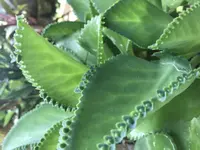
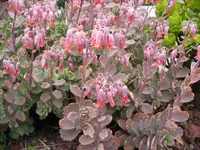
Lavender scallops (Kalanchoe fedtschenkoi) is a compact succulent shrub valued for its bluish gray, scalloped leaves often edged in pink or cream. Stems can trail or gently arch, making it suitable for containers and hanging baskets.

This species comes from dry regions of Madagascar, so it is adapted to strong light, warm temperatures, and periods of drought. Its fleshy leaves store water, which makes it forgiving if watering is occasionally missed.

Because it is drought tolerant and not fussy about humidity, many growers find it easy to care for indoors. Understanding how to care for Lavender Scallops mainly involves providing bright light, fast-draining soil, and avoiding overwatering.

Main Plant Requirements

Care Difficulty

Easy Care

Light Preference

Partial Sun

Water Requirements

Low Water

Temperature Preference

Tropical / Frost Sensitive

Hardiness Zone

10–11

Soil Texture

Sandy, Loamy, Rocky

Soil pH

Slightly acidic (6.5–7.0), Neutral (7.0)

Soil Drainage

Well-drained

Fertilization

Minimal (feed rarely)

Get Personalized Care Plan

Scan your plant to receive care tips personalized for your specific plant

Personalized Care in the App

Available on iOS and Android

How to Care for the Lavender Scallops

This succulent prefers bright conditions with some protection from intense midday sun.

  • Provide 4–6 hours of direct morning sun or late-afternoon sun, plus bright indirect light for the rest of the day for steady growth and good leaf color.
  • Plant Lavender Scallops where it receives partial shade during harsh afternoon sun to reduce leaf scorch and faded variegation, especially in hot climates.
  • If stems stretch or leaves lose color, increase light exposure gradually over 7–10 days; in winter, shift plants closer to a bright south- or west-facing window.

This drought-tolerant succulent stores water in its leaves and prefers infrequent, deep watering.

  • Allow the top 3–5 cm of soil to dry fully before watering again; in many homes or gardens this means watering only after soil feels dry and the pot or root zone feels lighter.
  • Use sharply draining soil and containers or beds that do not hold standing water to prevent root rot, which shows as mushy stems and yellowing, dropping leaves.
  • In cooler or low-light seasons, extend the drying period; slight leaf wrinkling signals it is time to water, while consistently soft, swollen leaves indicate overwatering.

This species prefers warm, frost-free conditions typical of subtropical succulents.

  • Aim for 65–80°F (18–27°C) for active growth; short periods up to 90°F (32°C) are tolerated if soil is allowed to dry and airflow is good.
  • Avoid temperatures below 40°F (4°C); foliage is damaged by light frost, and prolonged exposure near freezing can kill roots and stems.
  • In regions with cool winters, grow outdoors only during frost-free months and move plants to a sheltered spot or indoors before night temperatures drop below 45°F (7°C).

This species prefers dry indoor air and rarely needs extra humidity.

  • Aim for 30–50% humidity, which matches most heated or air-conditioned homes where Lavender Scallops stays comfortable.
  • Tolerates drier air well, but sustained levels below 25% can slow growth and cause leaf edges to crisp.
  • If air is extremely dry, move the plant away from heating vents and group it near other plants rather than misting.

Kalanchoe fedtschenkoi needs a fast-draining, airy mix that dries quickly between waterings.

  • Use a sandy or gritty succulent mix, for example 50–60% cactus soil blended with coarse perlite or pumice.
  • Keep pH slightly acidic to neutral, around 6.0–7.0, which supports nutrient uptake without encouraging rot organisms.
  • Include only a small amount of organic matter, such as composted bark or coconut coir, so the mix stays open and does not compact.
  • Avoid dense, peat-heavy or clay soils that stay wet, as these limit aeration and greatly increase root and stem rot risk.

This succulent is very suitable for container growing both indoors and outdoors.

  • Choose a shallow but wide pot to accommodate its spreading habit and prevent the plant from becoming unstable at the edges.
  • Select unglazed terracotta if extra evaporation is needed, or glazed ceramic in hot, very dry climates to slow moisture loss.
  • Lift the container slightly on pot feet or bricks so drainage holes clear quickly and water does not pool under the base.

This succulent benefits from modest feeding when actively growing, but excessive fertilizer can reduce its compact form.

  • Use a balanced liquid fertilizer (around 10-10-10 or 20-20-20) diluted to 25–50% strength for caring for Lavender Scallops.
  • Feed every 4–6 weeks in spring and summer when growth is strongest.
  • Do not fertilize or feed only once in late winter if the plant is semi-dormant.
  • Avoid rich compost or frequent slow-release pellets that keep soil too fertile and moist.

Pruning Kalanchoe fedtschenkoi keeps the plant compact and encourages bushier new growth.

  • Carry out most pruning in late winter or early spring before strong new growth starts.
  • Remove dead, damaged, or leggy stems with clean, sharp scissors or pruning snips.
  • Tip back overly long shoots above a leaf node to maintain a dense, rounded shape.
  • Pinch off spent flower stems to tidy the plant and direct energy back to foliage growth.

This species prefers slightly snug conditions and only needs repotting when growth or roots show clear signs of crowding.

  • Check for roots circling the pot, pushing through drainage holes, or slow top growth as signals to repot.
  • Plan repotting in spring, every 2–3 years, using a cactus/succulent mix in a pot with good drainage.
  • Gently loosen the root ball, trim broken roots, and disturb healthy roots as little as possible to limit stress.
  • Water lightly after repotting Kalanchoe fedtschenkoi, then allow the mix to dry partially before the next watering.

Kalanchoe fedtschenkoi is commonly multiplied from stem or leaf cuttings under warm, bright conditions.

  • Take 5–8 cm stem tips or single leaves in late spring or early summer.
  • Let cut surfaces dry and callus for 1–2 days to reduce rot risk.
  • Place cuttings on or in slightly moist, gritty succulent mix and keep in bright, indirect light.
  • Maintain warmth around 70–75°F and minimal watering until firm roots develop.

This tender succulent dislikes freezing temperatures and needs simple winter protection in most climates.

  • Move container plants indoors before temperatures drop near 35–40°F.
  • Provide the brightest indoor light available and keep temperatures around 60–70°F.
  • Water sparingly in winter, allowing soil to dry almost completely between waterings.
  • In very mild climates, grow in fast-draining soil and use a light gravel mulch around the base to insulate roots.

Care Tips

Encourage Compact Growth

Pinch back soft stem tips every few months to keep the plant dense and prevent legginess, using clean fingers or sanitized scissors to reduce the risk of disease entry at cut sites.

Use Strategic Propagation

When stems become bare at the base, take 5–8 cm tip cuttings, let them callus for 1–2 days, then root several together in one pot to quickly create a fuller, more attractive clump.

Edge-Spill Positioning

Place pots near the edge of shelves, steps, or low walls so the trailing stems can hang freely without kinking, which helps prevent breakage and keeps the leaf rosettes facing the light more evenly.

Salt Buildup Management

Every 2–3 months, leach the potting mix by slowly running water through the container for several minutes and letting it drain completely, which helps prevent leaf edge burn from accumulated fertilizer salts.

Cool-Season Color Boost

For stronger leaf coloration when growing Lavender Scallops, give the plant a slightly cooler, brighter spot in fall and winter while still avoiding frost, which tends to intensify the purple or pink margins on the foliage.

Common Pests and Diseases

Aphids

This pest feeds on soft new growth, causing leaf curling, distortion, and sticky honeydew that can lead to sooty mold on lavender scallops foliage.

Solution

Rinse stems and the undersides of leaves with a strong but controlled stream of water, then spot-treat remaining colonies with insecticidal soap or a neem oil spray every 5–7 days until no new insects appear; avoid overfertilizing, as very soft growth attracts aphids.

Mealybugs

These insects appear as white, cotton-like clumps in leaf axils and along stems, weakening the plant and causing stunted or misshapen growth.

Solution

Isolate the plant, dab visible mealybugs with cotton swabs dipped in 70% isopropyl alcohol, and follow with repeated treatments of insecticidal soap or neem oil; inspect crevices regularly and prune heavily infested sections if needed.

Soft scale

This pest shows up as small, rounded, tan to brown bumps on stems and leaves, excreting honeydew that encourages black sooty mold and attracts ants.

Solution

Gently scrape or wipe off individual scales with a cotton pad dipped in 70% isopropyl alcohol, then apply horticultural oil or neem oil thoroughly to stems and leaf undersides, repeating every 7–10 days until fresh growth remains clean.

Powdery mildew

This disease produces white, powdery patches on leaves and stems, which can lead to dull, yellowing foliage and reduced vigor, especially in humid or poorly ventilated spots.

Solution

Improve air circulation, avoid overhead watering, and remove the most infected leaves; in persistent cases, use a sulfur-based fungicide or a potassium bicarbonate product labeled for ornamentals, applied according to directions until new growth stays clean.

Oedema

Symptoms include small corky or blister-like spots on leaves caused by the plant taking up water faster than it can transpire, often under cool, damp, or low-light conditions.

Solution

Allow the soil to dry more between waterings, use a fast-draining succulent mix, increase light levels, and maintain moderate room temperatures; damaged spots will not heal, but new leaves should form normally once watering and environment are corrected.

Interesting Facts

Lavender leaf chemistry

The bluish-lavender leaf tone comes from a dense layer of epicuticular wax on the succulent leaves, which reflects part of the light spectrum and helps reduce water loss in strong sun.

Variegation and sun response

Variegated forms such as the commonly grown 'Variegata' develop pink to red margins when exposed to higher light levels, due to increased production of protective pigments called anthocyanins.

Crassulacean acid metabolism

This species uses crassulacean acid metabolism (CAM), opening its leaf pores mainly at night to take in COâ‚‚, which greatly reduces water loss and supports its survival in seasonally dry habitats.

Botan icon

Did you know?

This species is considered naturalized and sometimes mildly invasive in warm coastal regions such as parts of Florida and Hawaii, where it can form spreading mats from stem fragments that root easily in sandy or rocky soil.

FAQs about Lavender Scallops

Leggy, stretched stems usually result from insufficient light and age. The plant directs energy toward the brightest source, elongating internodes. Prune back long shoots, rotate the pot regularly, and consider propagating healthy stem tips to refresh growth.

Grow Healthy Plants with Botan Care

Keep your plants happy and healthy with plant identification, disease detection, and easy care guidance.

Botan plant care app — identify plants on mobile

Explore More Plants