


Pot shape choice
Use a wide, shallow pot rather than a deep one so the creeping stems can spread and the shallow root system dries evenly between waterings.

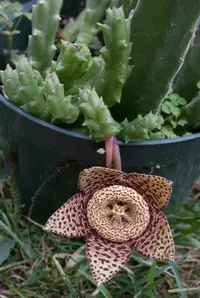
Orbea variegata, commonly called carrion-flower, is a small, clumping succulent from arid coastal areas of South Africa. It grows from low, leafless, four-angled stems that form a dense mat over time.
The star-shaped flowers are cream to yellow with dark mottling and a distinctive carrion-like scent that attracts flies as pollinators. This unusual bloom is the main ornamental feature.
The plant stays compact, suits pots, and prefers bright light, very sharp drainage, and infrequent watering, which makes it relatively easy to manage indoors. Understanding how to care for Carrion-flower mainly involves avoiding overwatering and providing enough sun.

Care Difficulty
Easy Care

Light Preference
Partial Sun

Water Requirements
Low Water

Temperature Preference
Tropical / Frost Sensitive

Hardiness Zone
10–11

Soil Texture
Sandy, Loamy, Rocky

Soil pH
Slightly acidic (6.5–7.0), Neutral (7.0)

Soil Drainage
Well-drained

Fertilization
Minimal (feed rarely)
Scan your plant to receive care tips personalized for your specific plant
Available on iOS and Android
Orbea variegata prefers bright, indirect light similar to that of many compact succulents.
This succulent stores water in its stems and needs infrequent but thorough watering.
This species prefers warm, dry conditions typical of many arid-climate succulents.
This succulent prefers dry air and rarely needs special humidity management indoors.
Orbea variegata performs best in a very fast-draining, mineral-rich succulent mix.
This species is very suitable for container growing.
Orbea variegata is a low-feeding succulent, but light fertilization supports steady growth in containers.
Orbea variegata benefits from light, occasional pruning to maintain a compact, healthy clump.
This succulent prefers to stay slightly root-bound and only needs infrequent repotting in well-drained containers.
Orbea variegata is commonly propagated from stem cuttings, with seed used less often for home plants.
This succulent is frost-sensitive and needs cool, dry, and above-freezing conditions during winter.

Plant Health Check
Not sure what's wrong with your plant? Check your plant's health inside the app.
The star-shaped flowers release a smell similar to rotting organic material, which mimics decaying matter and attracts carrion-loving flies as pollinators.
The mottled yellow and brown pattern on the corolla closely resembles fly-frequented surfaces, and visiting flies often lay eggs on the flowers, aiding pollination even though the larvae will not survive there.
The flowers have a flat, 5-pointed star corolla with a central raised ring and corona structures, a typical stapeliad feature that helps position pollinators so the pollinia can attach effectively.

This species is native to coastal and arid areas of the Western Cape in South Africa, where it often grows in crevices or partial shade among stones and low shrubs, using surrounding vegetation and rocks for camouflage and protection from intense sun and grazing animals.
Lack of flowering often comes from insufficient light, a pot that is too large, or recent repotting. Cool, bright, dry conditions in winter help set buds. Avoid frequent disturbance and heavy feeding right before the growing season.
Keep your plants happy and healthy with plant identification, disease detection, and easy care guidance.

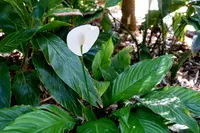
Alpinia formosana
Alpinia formosana
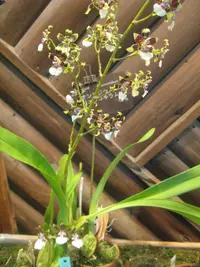
white-lipped oncidium
Oncidium leucochilum
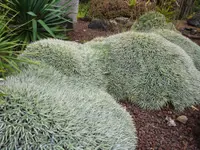
Deuterocohnia brevifolia
Deuterocohnia brevifolia
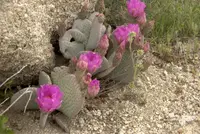
beavertail pricklypear
Opuntia basilaris
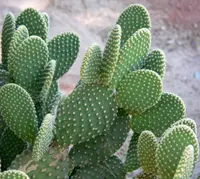
Bunny Ear Cactus
Opuntia microdasys
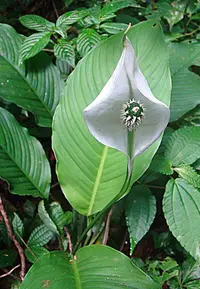
Spathiphyllum wendlandii
Spathiphyllum wendlandii
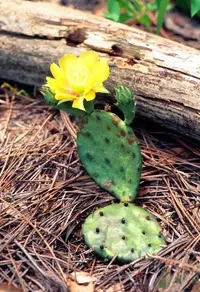
Eastern Prickly Pear
Opuntia humifusa
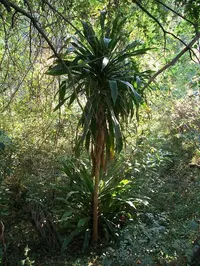
large-leaved dragon tree
Dracaena aletriformis