Topsy Turvy Care (Echeveria runyonii)

About Topsy Turvy

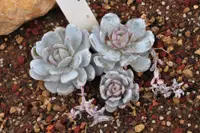
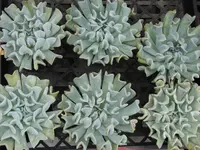
Topsy Turvy, botanically known as Echeveria runyonii, is a compact, rosette-forming succulent from northeastern Mexico. It stores water in its thick, spoon-shaped leaves. The leaves curve backward in a distinctive twisting pattern, giving the plant a sculptural look and a silvery blue to gray-green color. Mature plants may produce tall flower stalks with small orange or yellow blooms. This species stays relatively low and clump-forming, which suits containers, windowsills, and small indoor displays. It is considered easy to grow because it tolerates short dry spells and prefers bright light, well-drained soil, and infrequent watering. Basic understanding of how to care for Topsy Turvy makes it a reliable choice for beginners.

Main Plant Requirements

Care Difficulty

Easy Care

Light Preference

Full Sun

Water Requirements

Low Water

Temperature Preference

Tropical / Frost Sensitive

Hardiness Zone

9–11

Soil Texture

Sandy, Loamy, Rocky

Soil pH

Slightly acidic (6.5–7.0), Neutral (7.0)

Soil Drainage

Well-drained

Fertilization

Minimal (feed rarely)

Get Personalized Care Plan

Scan your plant to receive care tips personalized for your specific plant

Personalized Care in the App

Available on iOS and Android

How to Care for the Topsy Turvy

This succulent prefers bright, strong light to maintain compact rosettes and blue-gray color.

  • Provide 6–8 hours of direct sun outdoors, ideally with gentle morning sun and some protection from harsh mid-afternoon summer sun.
  • Topsy Turvy tolerates light partial shade, but prolonged shade causes stretching, pale leaves, and weaker growth; move gradually to brighter exposure if this occurs.
  • In cooler months, maximize sun by choosing the brightest, south- or west-facing spot, and avoid sudden shifts from low light to intense full sun to prevent leaf scorch.

This drought-tolerant succulent needs infrequent but thorough watering that fully dries between soakings.

  • Water only when the top 2–5 cm of soil are completely dry, using a deep soak, then allow excess to drain away fully.
  • Reduce watering in fall and winter when growth slows; in hot, active growth periods, monitor leaves rather than the calendar for timing.
  • Soft, mushy, yellowing leaves and a rotten base indicate overwatering; wrinkled, thin leaves signal underwatering, especially important in Echeveria runyonii with fleshy foliage.

This plant prefers warm, dry conditions and is sensitive to frost and prolonged cold, especially in wet soil.

  • Aim for 65–80°F (18–27°C) during active growth for best rosette form and steady development.
  • Protect from frost; brief dips to about 30–32°F (-1–0°C) may be survived if dry, but tissue damage is likely, so move containers or cover plants before freezes.
  • In hot spells above 90°F (32°C), give light afternoon shade and ensure airflow; avoid reflected heat from concrete that can overheat roots and scorch leaves.

This succulent prefers dry air and does not need extra humidity.

  • Aim for 30–50% humidity, similar to most heated or air-conditioned homes.
  • Dry air is well tolerated, but very damp, stagnant rooms can promote rot on Topsy Turvy leaves and crown.
  • Persistent soft, translucent leaves or a musty smell indicate excess humidity; increase airflow with a fan and avoid grouping tightly.

Use a very fast-draining, mineral-rich mix that keeps roots dry between waterings.

  • Choose a sandy or gritty substrate with large particles that resist compaction and allow air to reach the roots.
  • Blend roughly 1 part cactus mix with 1–2 parts coarse amendments such as pumice, perlite, or 3–5 mm gravel chips.
  • Keep pH slightly acidic to neutral, around 6.0–7.0, which suits Echeveria runyonii and helps nutrient availability.
  • Avoid peat-heavy, water-retentive mixes or any soil that stays wet longer than 2–3 days after watering.

This species is very suitable for container growing.

  • Select a wide, shallow pot to match its shallow root system and keep the rosette above any standing water layer.
  • Use unglazed terracotta if possible, as it evaporates moisture faster and helps prevent chronic wetness at the roots.
  • Elevate the pot on feet or a stand so drainage holes stay clear and water does not pool under the container.

This succulent needs only light feeding, with more focus on strong light and fast-draining soil than on nutrients.

  • Use a balanced liquid fertilizer (around 10-10-10) or cactus feed at 1/4–1/2 strength for caring for Topsy Turvy.
  • Feed once a month during spring–summer, only on already moist soil to avoid root burn.
  • Skip compost-heavy mixes; choose low-organic, well-drained substrates that resist staying wet.
  • Stop feeding in fall–winter when growth slows, resuming only when new growth appears.

Pruning is minimal for Echeveria runyonii and focuses on hygiene and maintaining a compact rosette.

  • Best time is spring or early summer, when growth is active and recovery is quickest.
  • Remove dead or damaged leaves with clean fingers or fine scissors, pulling downward from the stem base.
  • Trim spent flower stalks at the base to direct energy back into leaf and root growth.
  • Thin crowded offsets only if rosettes are shading each other or air flow is poor.

Repotting is infrequent and mainly needed when the plant outgrows its container or soil breaks down.

  • Repot every 2–3 years or when roots circle the pot, growth slows, or water runs straight through.
  • Choose late spring as the safest time, when temperatures are mild and growth is starting.
  • Use a shallow pot with drainage and a gritty cactus or succulent mix to keep roots aerated.
  • Handle the rosette gently, shake off old soil, trim rotten roots, then keep slightly dry for 5–7 days after repotting.

Propagation is commonly done to expand a collection or rejuvenate older plants.

  • Best seasons are spring and early summer, when warmth and longer days support rooting.
  • Take healthy leaf cuttings or offsets, letting cut ends callus for 1–2 days before placing on dry, gritty mix.
  • Keep in bright, indirect light at 70–80°F, lightly misting soil only when fully dry until roots form.
  • Seed propagation is possible but slow; provide warm conditions and very bright light for tiny seedlings.

This succulent is frost-sensitive and needs protection in regions with cold winters.

  • Avoid exposure below 30°F; in cold zones, grow in containers rather than in-ground beds.
  • Move potted plants indoors or to a bright, frost-free greenhouse before the first hard frost.
  • Provide as much light as possible indoors while watering sparingly to prevent root rot.
  • For mild climates, use a thin gravel mulch to keep lower leaves dry and soil draining well.

Care Tips

Control Rosette Stretch

Rotate the pot 90° every 7–10 days so the rosette develops evenly and does not lean or twist toward a single light source, which keeps the plant compact and symmetrical when growing Topsy Turvy.

Remove Old Lower Leaves

Gently snap off dry, papery lower leaves at the stem base once they detach easily; this improves airflow around the crown and reduces hiding spots for mealybugs and fungus gnats.

Strategic Top-Dressing

Apply a 0.5–1 cm layer of coarse gravel or pumice on the soil surface to keep the leaf base dry, limit algae growth, and stabilize the shallow root system in shallow pots.

Timed Propagation Cuts

Take leaf or stem cuttings in late spring to midsummer when growth is active, then let them callus for 2–4 days in a dry, shaded place before placing on barely moist substrate to reduce rot losses.

Winter Light Boost

In winter, move the plant to the brightest, coolest indoor spot available and, if natural light is weak, supplement with a small LED grow light positioned 20–30 cm above the rosette to maintain compact growth and leaf color.

Common Pests and Diseases

Mealybugs

This pest feeds on leaf sap and hides in the tight rosettes and leaf axils, often appearing as white cottony clusters. Symptoms include distorted new growth, sticky honeydew, and sooty mold on affected areas.

Solution

Isolate the plant, then dab visible insects with cotton swabs dipped in 70% isopropyl alcohol, paying special attention to the inner rosette. Follow with a thorough rinse and repeat weekly until no new insects appear; for persistent infestations, use a labeled systemic insecticide suitable for succulents and improve air movement around the plant to discourage reinfestation.

Aphids

These insects cluster on tender new leaves and flower stalks, sucking sap and causing curling, yellowing, or misshapen growth. Sticky honeydew may attract ants and support black sooty mold on leaves.

Solution

Move the plant to a sink or outdoors and spray it firmly with water to dislodge the insects, then treat remaining aphids with insecticidal soap or a light horticultural oil, making sure to coat the undersides of leaves and flower stems. Repeat every 5–7 days until populations drop, and avoid high-nitrogen fertilizer that encourages overly soft growth that aphids prefer.

Soft scale

This pest appears as small, rounded or oval bumps on leaves and stems, often along the lower leaf surfaces and around the base of the rosette. Symptoms include gradual yellowing, stunted growth, and sticky honeydew buildup.

Solution

Gently scrape or wipe off individual scales with a cotton swab or soft brush dipped in 70% isopropyl alcohol, then rinse the plant to remove residues. For larger infestations, use a systemic insecticide labeled for ornamental succulents and maintain lower humidity and good light to keep the plant more resilient.

Powdery mildew

This disease shows up as white, powdery patches on leaves, especially in crowded rosettes with poor airflow. Symptoms include dull, discolored foliage and a reduction in the plant’s vigor if the infection is extensive.

Solution

Increase air circulation, avoid overhead watering, and remove heavily affected leaves if practical. Treat remaining foliage with a sulfur-based or potassium bicarbonate fungicide labeled for ornamentals, applying in dry, mild conditions and repeating as directed until new growth remains clean.

Bacterial soft rot

This disease causes water-soaked, mushy areas at the base of leaves or in the center of the rosette, often with a foul smell and rapid tissue collapse. Symptoms include sudden wilting and leaves detaching easily with slimy decay at the base.

Solution

Immediately remove and discard all affected leaves and any obviously soft tissue, using sterile tools and avoiding contact with healthy plants. Allow remaining healthy tissue to dry in bright, indirect light with excellent airflow, reduce or stop watering until the plant calluses, and in severe cases salvage only firm, clean leaves for propagation to maintain Echeveria runyonii plant care with healthy stock.

Interesting Facts

Naturally twisted leaves

This species forms rosettes with characteristically twisted, spoon-shaped leaves that curve upward and often appear slightly asymmetric, a trait much less pronounced in closely related Echeveria species.

Mexican canyon native

It is believed to originate from rocky canyon habitats in northeastern Mexico, where it grows on well-drained, mineral-rich slopes exposed to strong sun and large temperature swings between day and night.

Prolific offset producer

Mature plants readily form numerous offsets around the base, creating dense clumps over time, which is why it is commonly multiplied and shared through division rather than grown from seed in cultivation.

Botan icon

Did you know?

This species has been widely used by hybridizers, and several popular ornamental cultivars such as 'Topsy Turvy' trace their distinctive curled rosette form back to its genetics, making it an important parent in modern Echeveria breeding.

FAQs about Topsy Turvy

Brown leaves usually come from sun scorch, old age, or irregular watering. Crisp brown tips point to too much direct heat or low humidity. Soft brown patches or blackened bases suggest rot from excess moisture around the roots.

Grow Healthy Plants with Botan Care

Keep your plants happy and healthy with plant identification, disease detection, and easy care guidance.

Botan plant care app — identify plants on mobile

Explore More Plants